Winter Wildlife Watching in Yellowstone: Where to Go, What to Expect & How to Prepare
When snow begins to blanket the sweeping landscapes of Yellowstone, the park transforms into a surreal winter wonderland. Gone are the summer crowds, leaving behind an untouched wilderness where wildlife roams freely and the raw beauty of nature takes center stage. A Yellowstone winter wildlife tour is one of the most remarkable experiences available in North America. From the haunting calls of wolves echoing through icy valleys to the steamy breath of bison trudging through deep drifts, Yellowstone in winter offers a glimpse into the primal rhythms of survival and adaptation.
Unlike other seasons, winter in Yellowstone reveals its treasures to those willing to brave the cold and venture into remote areas. The solitude of snow-covered trails and frosted forests brings a unique opportunity for immersive wildlife photography and intimate wildlife encounters. Whether you’re hoping to see a wolf pack move through the valleys or watch elk and bison congregate for warmth, the winter season opens a window into a world that feels untouched by time.
Best Places to See Winter Wildlife in Yellowstone
Yellowstone is vast, covering over 2.2 million acres, and in winter, not every corner is accessible. Fortunately, some of the best places for winter wildlife viewing remain open and highly productive. Chief among them is the Yellowstone Northern Range winter habitat, which is widely regarded as the top area for spotting wildlife. Stretching from Mammoth Hot Springs through Lamar Valley to Cooke City, this region remains accessible by car year-round and is known as the “Serengeti of North America” for its incredible wildlife density.
Lamar Valley, in particular, is famed for wolf watching. This remote valley is one of the best places in the world to see wild wolves in their natural habitat. Packs are often visible during the early mornings and late afternoons, especially after fresh snowfall when their tracks are more apparent. Not far away, the Hayden Valley also offers great opportunities to see bison herds plowing through Yellowstone snow, along with coyotes, bald eagles, and foxes.
Another notable area includes the Mammoth Hot Springs region. Here, elk can often be seen resting in the warmth of geothermal features, while bighorn sheep navigate the rocky terrain nearby. The contrast between steaming hot springs and icy surroundings creates a compelling setting for wildlife photography and observation.
What to Expect on a Yellowstone Winter Wildlife Tour
Expect the unexpected. Yellowstone winter tours are immersive experiences that combine the thrill of wildlife sightings with the quiet magic of a snow-covered wilderness. Most winter wildlife tours are guided by expert naturalists who understand animal behavior, habitat patterns, and where to locate wildlife depending on time of day and weather conditions. These tours typically depart early in the morning when animal activity is at its peak and continue through mid-afternoon.
Travel is often conducted in specially outfitted snowcoaches or four-wheel-drive vehicles equipped for Yellowstone snow conditions. Some parts of the park, especially in the interior, are only accessible via snowcoach or guided snowmobile tours, adding to the adventure. The crisp air, silence of the snow-draped forest, and the occasional distant howl of a wolf create a truly immersive sensory experience.
Wildlife sightings vary, but guests often encounter wolves, bison, elk, moose, otters, foxes, and sometimes even lynx or mountain lions. The animals are more visible in winter due to the lack of foliage, their need to move for food, and the striking contrast between their fur and the white landscape. Seeing a pack of wolves hunt or a group of elk navigate a frozen river is both humbling and awe-inspiring.
Visitors should also expect fewer crowds, which allows for more personal and peaceful interactions with nature. Unlike the peak summer months, the quietude of Yellowstone in winter brings a sense of exclusivity to each sighting, enhancing the emotional connection to the park and its inhabitants.
How to Prepare for Wildlife Watching in Yellowstone’s Winter
Preparation is key when venturing into the Yellowstone winter. Temperatures can plummet below zero, especially in the early mornings, and conditions can change rapidly. Dressing in multiple layers is essential. Start with moisture-wicking base layers, add insulating mid-layers such as fleece or down, and top off with a waterproof and windproof outer shell. Don’t forget insulated boots, gloves, hats, and neck gaiters or balaclavas to protect exposed skin from frostbite.
Binoculars and spotting scopes are invaluable tools for wildlife viewing, especially for distant sightings like wolves in Lamar Valley. While many guided tours provide optics, bringing your own ensures you’re always prepared. For wildlife photography enthusiasts, winter light offers soft and dramatic tones ideal for capturing wildlife against the stark contrast of snow. Be sure to bring extra batteries, as the cold drains them quickly, and protect your gear from condensation when transitioning between warm and cold environments.
In terms of logistics, it’s crucial to check road conditions and park updates before heading out. While the road from Gardiner to Cooke City remains open year-round, other park roads are closed to regular vehicle traffic in winter. Reservations for snowcoach tours and accommodations inside or near the park should be made well in advance, as winter lodging is limited but fills up quickly.
Lastly, patience and respect for wildlife are essential. Yellowstone’s animals are wild and unpredictable, and keeping a safe distance ensures both their safety and yours. Ethical wildlife viewing practices include not feeding or approaching animals, staying on designated paths, and minimizing noise to avoid disturbing sensitive species.
The Role of Wolves and Other Wildlife in Yellowstone’s Winter Ecosystem
No discussion of Yellowstone in winter is complete without exploring the role of wolves and other apex species in the ecosystem. Since their reintroduction in the mid-1990s, wolves have reshaped the ecological dynamics of the park. In winter, their influence becomes especially visible. Packs become more active and visible as they follow prey like elk and bison through snowy valleys. Observing wolf behavior in the wild, how they hunt, interact, and communicate, is a rare privilege that draws scientists, photographers, and enthusiasts alike.
Elk and bison play equally vital roles during Yellowstone winters. Elk congregate in valleys and geothermal areas where snowpack is lighter, creating predictable patterns for predators and wildlife watchers. Bison, with their massive heads and thick coats, are icons of winter endurance. Watching them use their heads to plow through deep snow in search of buried grasses is a testament to their resilience.
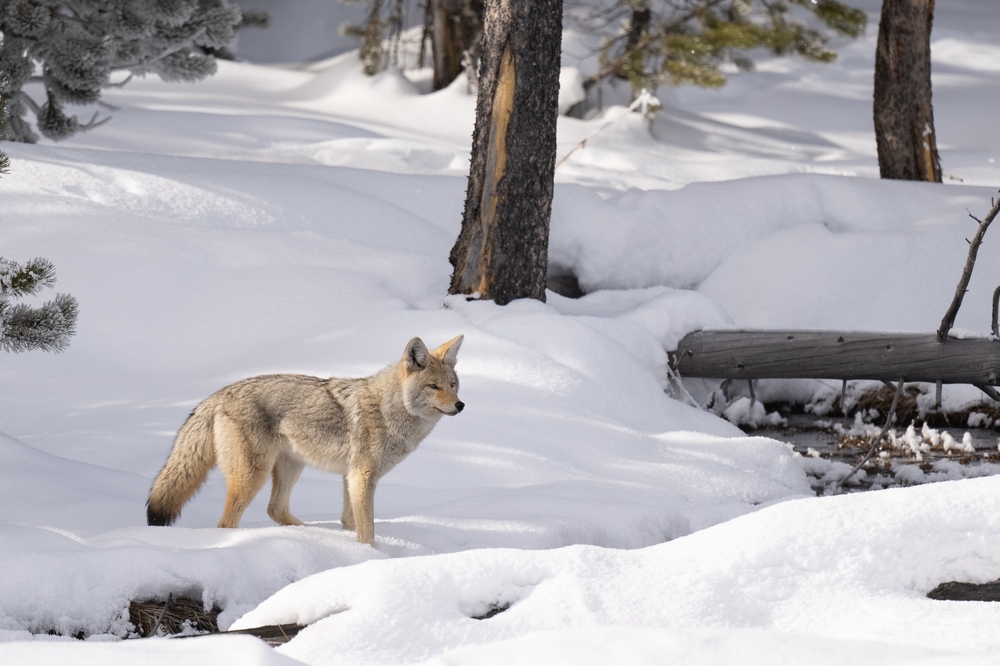
Coyotes, foxes, river otters, and bald eagles also emerge in surprising ways during winter. Coyotes may be seen listening intently before pouncing through the snow after hidden voles. River otters glide playfully through icy streams, while eagles perch regally, surveying frozen landscapes for carrion or fish. Each species is part of the intricate balance that makes Yellowstone’s winter ecology so compelling.
Conclusion
A Yellowstone winter wildlife tour is not just a journey through snow-covered landscapes; it’s a pilgrimage into one of the most majestic, raw, and awe-inspiring corners of the natural world. From wolves weaving silently through Lamar Valley to bison steaming in the morning cold, the park offers a front-row seat to nature’s winter theater.
Winter in Yellowstone strips the park to its primal core, allowing visitors to witness wildlife interactions and survival stories against a backdrop of silence and snow. Whether you’re a seasoned wildlife photographer or a curious traveler eager to see elk and bison up close, the experience is transformative. With the right preparation, a spirit of adventure, and a deep respect for the wild, Yellowstone in winter reveals a side of itself few ever see, but none ever forget.
Need Guided Tours Of Yellowstone National Park?
Welcome to Yellowstone Tour Guides! We here at Yellowstone Tour Guides are a family-owned tour agency that specializes in tours, sightseeing, and hikes throughout Yellowstone and Big Sky, Montana! Since 2001, we have been dedicated to showing families the beauty of Yellowstone Nation Park. We offer small-group sightseeing tours, multi-day backpacking, and hiking tours. We also provide private vacation planning and tours! We look forward to exploring Yellowstone with you! Call us today!