
Yellowstone Guided Day Hikes: Best Trails, Difficulty & What a Hiking Tour Includes
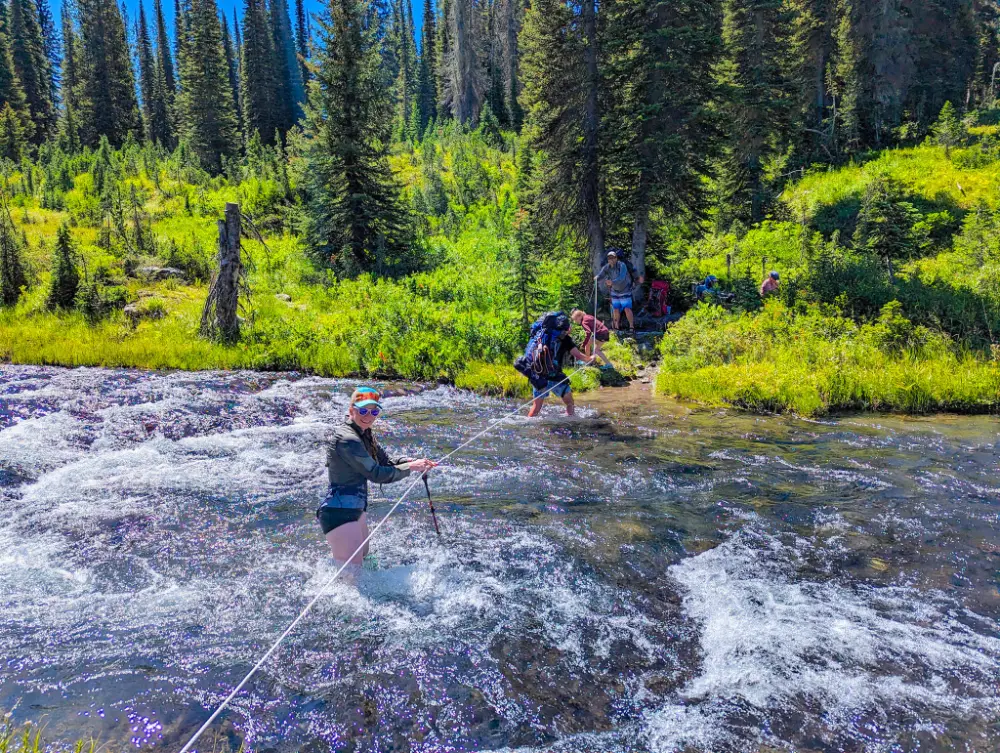
Yellowstone National Park looks very different once you leave the roadside overlooks and step onto a trail. From geothermal basins and open valleys to forested routes and mountain terrain, guided day hikes give visitors a way to experience more of Yellowstone while choosing a route that fits their ability, schedule, and interests.
A Yellowstone guided day hike typically combines a selected hiking route with local interpretation, trip planning, pacing, and attention to changing trail and wildlife conditions. The right trail depends on mileage, elevation gain, terrain, season, and the experience of the group. Visitors staying around West Yellowstone, Big Sky, Gallatin Gateway, or other gateway communities can use a guided hike to make a full day in the park more focused and manageable.
What Yellowstone hikers should know
- Trail difficulty involves more than mileage because elevation gain, uneven surfaces, altitude, weather, and exposure can all affect how strenuous a hike feels.
- Yellowstone’s conditions can change quickly, particularly in higher terrain where snow can linger well beyond the beginning of the visitor season.
- Wildlife is part of the Yellowstone experience, so hikers need to understand appropriate distances and how to respond to animals encountered along or near a trail.
- Popular destinations such as Mammoth Hot Springs, Old Faithful, Grand Prismatic Spring, Lamar Valley, and the Grand Canyon of the Yellowstone can help shape which part of the park makes sense for a hiking day.
- A guided hike can be especially useful for visitors who want interpretation and route planning rather than simply following a trail on their own.
Yelllowstone Tour Guides, Inc, based in Gallatin Gateway, MT, serves travelers exploring the Yellowstone region. When planning a hiking experience, we focus on helping guests understand their options and what a day on Yellowstone’s trails can involve.
What Are the Best Trails for Yellowstone Guided Day Hikes?
The best trails for Yellowstone guided day hikes are routes that match the group’s fitness level while providing access to the landscapes, wildlife habitat, geothermal features, or viewpoints visitors came to experience. There is no single best hike because Yellowstone covers an enormous range of terrain and elevations.
For visitors interested in geothermal landscapes, trails around the Old Faithful and Upper Geyser Basin area can combine hiking with views of some of the park’s best-known thermal features. The Mammoth area offers another distinctive landscape, while routes near Yellowstone Lake can provide a very different hiking experience.
Travelers looking for mountain scenery may prefer trails with more elevation change and longer distances. Those primarily interested in wildlife habitat may want to explore areas associated with broad valleys and open terrain, including the Lamar Valley region.
Trail selection should always account for current closures, seasonal conditions, wildlife activity, and National Park Service guidance.
How Difficult Are Yellowstone Day Hikes?
Yellowstone day hikes range from relatively easy walks to strenuous backcountry outings, with difficulty determined by distance, elevation gain, trail surface, altitude, and current conditions. A five-mile hike on rolling terrain can feel very different from a five-mile route with sustained climbing.
An easier outing may emphasize moderate mileage, limited elevation gain, and frequent opportunities to stop. These hikes can work well for visitors who want scenery and interpretation without making physical challenge the focus of the day.
Moderate hikes usually require more sustained walking and may include steeper or rougher sections. Strenuous hikes can involve significant elevation gain, longer distances, exposed terrain, and several hours of steady physical activity.
Visitors coming from lower elevations should also remember that much of Yellowstone sits at significant elevation. Choosing a realistic route can make the difference between enjoying the landscape and spending the day struggling to keep pace.
What Does a Yellowstone Hiking Tour Include?
A Yellowstone hiking tour generally includes route planning, guided travel on the trail, pacing appropriate to the group, and interpretation of the landscape, although the exact inclusions depend on the tour selected. Guests should confirm transportation, meals, equipment, park fees, and other specific inclusions when booking.
A guide can also add context that is easy to miss when hiking independently. Yellowstone’s landscape reflects volcanic activity, geothermal systems, wildlife ecology, wildfire, water, and changing seasons. Understanding those connections can turn a scenic walk into a deeper look at how the park functions.
Before booking, ask what equipment you need to bring, where the tour begins, expected mileage and elevation gain, approximate trail time, and how weather or closures may affect the planned route.
What Wildlife Considerations Matter on Yellowstone Trails?
Wildlife awareness is essential on Yellowstone trails because hikers may encounter animals away from the traffic and crowds found around major roadside destinations. Visitors should follow current National Park Service requirements and guidance concerning wildlife distances, bear safety, trail closures, and food storage.
Bison, elk, bears, and other wildlife can move through areas used by hikers. Animals may also be difficult to see until a trail bends, vegetation opens, or hikers enter a meadow.
Never approach wildlife for a photograph or attempt to move around an animal simply to remain on schedule. Conditions on the trail, not the original itinerary, should determine how the group proceeds.
When Is the Best Season for a Guided Hike in Yellowstone?
The best season for a Yellowstone guided hike depends on the route because snowpack, elevation, weather, road access, and trail conditions vary considerably across the park. Lower and more accessible trails may become practical earlier than higher-elevation routes.
Summer generally provides access to a wider range of hiking terrain, but hikers should still prepare for changing mountain weather. Later in the season can bring cooler conditions and different wildlife considerations.
Visitors traveling through Gallatin Gateway, Big Sky, West Yellowstone, or the surrounding southwest Montana region should avoid assuming that conditions outside the park will match conditions at the trailhead. Always prepare for the specific area and elevation you plan to hike.
What Should You Bring on a Yellowstone Day Hike?
Yellowstone day hikers should bring clothing and supplies appropriate for changing weather, sun exposure, hydration needs, trail conditions, and wildlife country. Your exact packing list should reflect the route, season, expected duration, and guidance provided for your tour.
Common considerations include sturdy footwear, layered clothing, rain protection, sun protection, water, and personal necessities. Bear safety requirements and recommendations should always follow current National Park Service guidance.
Avoid packing based solely on the weather at your hotel or lodging. Conditions around Gallatin Gateway or another gateway community may differ substantially from conditions deeper inside Yellowstone or at higher elevations.
How Do Guided and Self-Guided Yellowstone Hikes Compare?
Guided and self-guided Yellowstone hikes can both provide rewarding experiences, but guided hiking adds route planning, interpretation, and on-trail support that independent visitors must otherwise handle themselves. Self-guided hiking may suit experienced visitors who are comfortable researching current conditions and navigating the park independently.
A guided trip may make sense for first-time Yellowstone visitors, families or groups trying to choose an appropriate route, and travelers who want to learn more about the landscape as they hike.
Independent hikers retain greater flexibility over their schedule, but they are responsible for monitoring closures, weather, wildlife guidance, navigation, and other trail considerations themselves.
What Mistakes Should Yellowstone Hikers Avoid?
The most common Yellowstone hiking mistakes involve underestimating conditions, choosing a route based only on mileage, and failing to prepare for changes in weather or wildlife activity. Better planning starts with evaluating the entire route rather than focusing on a single number.
Choosing too difficult a trail can turn an otherwise memorable day into an exhausting outing. Ignoring elevation can create the same problem. Packing only for warm afternoon weather can leave hikers unprepared when conditions shift.
Another mistake is trying to force a planned itinerary when trail, weather, or wildlife conditions suggest otherwise. A better approach is to treat flexibility as part of hiking in Yellowstone.
What Is a Common Yellowstone Hiking Day Like?
A common Yellowstone hiking day combines driving through the park with several hours on foot, scenic stops, changing conditions, and time to observe features that are easy to miss from a vehicle. The exact experience varies widely depending on the trail and starting point.
For a visitor coming from the Gallatin Gateway or Big Sky area, Yellowstone is a destination that requires thoughtful day planning. Driving distances inside and outside the park matter, so packing too many separate destinations into the same day can reduce the time available for hiking.
A focused itinerary often gives hikers more time to experience one area instead of spending most of the day moving between distant parts of the park.
Why Consider a Guided Hiking Experience?
A guided hiking experience can simplify Yellowstone trip planning while giving visitors more context about the terrain they are exploring. Rather than selecting a trail from a list without understanding its demands, guests can discuss the type of day they want and prepare accordingly.
We can help travelers understand available hiking experiences and what to consider before heading into the park.
What Areas Can Visitors Explore From Gallatin Gateway?
Visitors traveling from Gallatin Gateway can use southwest Montana as a base for exploring the broader Yellowstone region, with Big Sky and West Yellowstone among the communities commonly associated with travel toward the park. Actual drive times and access vary by destination, road conditions, construction, and season.
Because Yellowstone itself is so large, the trail location should be part of the planning process rather than an afterthought.
What Is the Cost of Choosing the Wrong Yellowstone Hike?
Choosing the wrong Yellowstone hike can cost visitors valuable vacation time and may result in unnecessary fatigue, an abandoned route, or inadequate preparation for trail conditions. The practical goal is not to select the longest or hardest trail, but to select one that fits the group.
For travelers with only one or two days available for Yellowstone, matching the route to the group can help make limited park time more productive.
Frequently Asked Questions About Yellowstone Guided Day Hikes
Are Yellowstone guided day hikes suitable for beginners?
Yes, Yellowstone has hiking opportunities that can suit beginners, but the appropriate route depends on distance, elevation gain, terrain, weather, and individual ability. Beginners should be realistic about their normal activity level and ask about expected trail conditions before selecting a guided hike.
How long is a typical Yellowstone guided day hike?
A Yellowstone guided day hike can vary substantially in duration depending on the route and tour format. Trail time is only part of the day because driving, stops, wildlife activity, weather, and park traffic can affect the schedule. Confirm expected mileage, hiking time, and total tour duration before booking.
Is hiking in Yellowstone difficult because of the elevation?
Yes, Yellowstone’s elevation can make hiking feel more demanding for some visitors, especially those arriving from lower elevations. Distance alone therefore does not describe a trail’s difficulty. Elevation gain, overall altitude, trail surface, weather, and the group’s normal fitness level should all factor into route selection.
Can I take a guided Yellowstone hike while staying near Gallatin Gateway?
Gallatin Gateway can be part of a southwest Montana Yellowstone itinerary, but the practicality of a particular hike depends on the meeting location and trail destination. Because driving distances can be substantial, confirm where your hiking tour starts and ends before building the rest of your day’s schedule.
What should I wear for hiking in Yellowstone?
Wear sturdy footwear and layers suited to changing conditions, with rain and sun protection available when appropriate. Yellowstone weather can vary by elevation and time of day, so clothing that can be adjusted is generally more useful than dressing only for the temperature at your lodging.
Will I see wildlife on a Yellowstone guided hike?
Wildlife may be encountered on Yellowstone trails, but sightings cannot be guaranteed. Animals move freely throughout the park, and responsible hiking means observing current National Park Service wildlife guidance rather than approaching animals. A successful hike should not depend on seeing a particular species.
Are Yellowstone trails open all year?
No, access and practical hiking conditions vary by trail, road, elevation, weather, and season. Snow, wildlife activity, maintenance, or other conditions may affect a planned route. Check current National Park Service information and tour-specific guidance close to your hiking date rather than relying on an older itinerary.
Is a guided hike better than visiting Yellowstone by car?
A guided hike and a driving tour provide different ways to experience Yellowstone rather than one universally replacing the other. Hiking offers more time immersed in a particular landscape, while driving makes it possible to connect distant areas. Visitors with enough time may choose to include both experiences.
Explore Yellowstone Beyond the Road
Yellowstone’s famous roadside destinations are only one part of the park. A thoughtfully selected guided day hike can help visitors experience its trails, landscapes, wildlife habitat, and natural history at a pace suited to their group.
Make Your Yellowstone Hiking Day Count
We help visitors explore hiking options with the goal of creating a well-planned day in one of America’s most distinctive landscapes.