
Yellowstone Backpacking Tours Explained: Permits, Routes, Fitness Level & Guided vs DIY
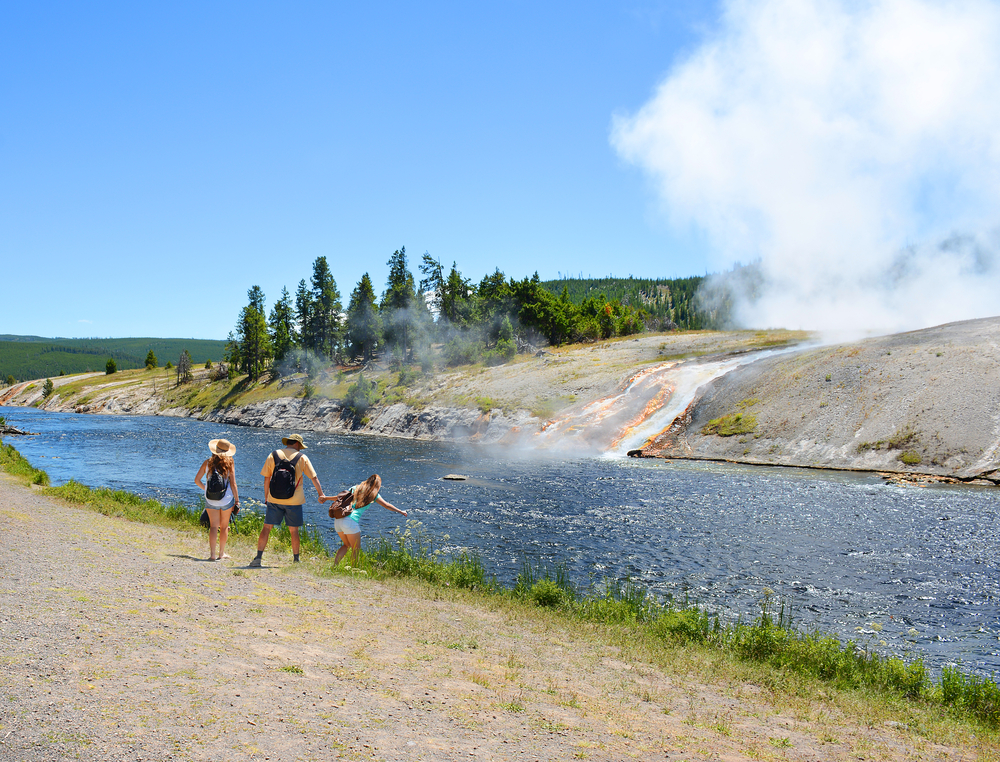
Yellowstone National Park looks very different once you leave the roadside overlooks and developed areas behind. Backpacking can take you into remote valleys, thermal landscapes, forests, lakeshores, and wildlife habitat that most park visitors never experience on foot.
For travelers starting from Gallatin Gateway, Bozeman, Big Sky, West Yellowstone, or elsewhere in southwest Montana, planning a Yellowstone backpacking trip involves more than choosing a trail. Permits, campsite reservations, route conditions, wildlife precautions, weather, fitness, and transportation can all shape the trip.
Quick answer: Yellowstone backpacking tours require advance planning because overnight backcountry travel is regulated, campsites and itineraries may require permits or reservations, and conditions can change with weather, wildlife activity, snowpack, fires, or trail closures. Travelers should choose routes that match their hiking experience, fitness, available time, and comfort in remote terrain.
Some hikers organize everything themselves, while others choose a guided trip for help with route planning, logistics, equipment, meals, backcountry procedures, and interpreting Yellowstone’s landscape.
What local and visiting hikers should know
- Overnight backpacking in Yellowstone requires following current National Park Service backcountry permit and campsite requirements.
- Conditions can vary considerably between the Gallatin Gateway area and Yellowstone’s interior because elevation, snow, storms, and seasonal trail conditions affect access.
- Wildlife awareness is essential because Yellowstone is habitat for grizzly bears, black bears, bison, elk, wolves, and other wildlife.
- Mileage alone does not determine route difficulty. Elevation changes, pack weight, trail surfaces, river crossings, weather, and consecutive hiking days matter too.
- A guided trip can reduce the amount of planning required, but experienced backpackers may prefer the independence of a properly planned DIY itinerary.
Why Does Backpacking in Yellowstone Require Extra Planning?
Backpacking in Yellowstone requires extra planning because hikers are entering a large, remote landscape with regulated backcountry campsites, significant wildlife considerations, variable weather, and limited services once they leave developed areas.
A sunny morning near West Yellowstone or Gardiner does not guarantee similar conditions farther into the park. Elevation can affect temperature and snow coverage, while afternoon storms can change hiking conditions quickly.
Unlike a day hike where turning around may simply mean returning to your vehicle, an overnight itinerary involves reaching designated campsites, managing food and water, carrying appropriate equipment, and remaining prepared for changing conditions.
Yellowstone Tour Guides, Inc serves travelers from Gallatin Gateway, Montana, and the surrounding Yellowstone region. When we discuss backpacking options with guests, the goal is to match the experience to the route rather than simply choosing a destination that looks appealing on a map.
How Do Yellowstone Backcountry Permits Work?
Yellowstone backcountry permits regulate overnight use of designated backcountry campsites, so backpackers should confirm the current National Park Service reservation and permitting process before finalizing an itinerary.
Permit procedures, reservation availability, campsite rules, seasonal access, and closures can change. For that reason, hikers should use current Yellowstone National Park information when planning their specific dates rather than relying on an old trip report or previous season’s requirements.
Your permitted itinerary can also influence how ambitious the trip should be. A route that looks manageable based on total mileage may become considerably harder when that mileage must be completed between specific campsites while carrying several days of equipment and food.
Which Yellowstone Backpacking Routes Are Right for Different Hikers?
The right Yellowstone backpacking route matches your experience, daily mileage ability, desired scenery, trip length, and comfort with remote backcountry conditions.
Yellowstone contains very different environments. Depending on the itinerary, backpackers may encounter forested trails, open valleys, lakeshores, thermal areas, mountain terrain, river corridors, and broad wildlife habitat.
Areas associated with destinations such as the Gallatin Range, Lamar Valley, Yellowstone Lake, Bechler region, and Yellowstone River offer very different experiences. Not every area is appropriate for every backpacker or every time of year.
Instead of choosing solely by destination, consider how many miles you can comfortably hike on consecutive days while carrying a loaded backpack.
How Fit Do You Need to Be for a Yellowstone Backpacking Trip?
You should be fit enough to complete your planned daily mileage while carrying a backpack over Yellowstone’s actual terrain, with enough reserve capacity to handle elevation, weather, and unexpected delays.
Walking five or six miles around town is different from hiking similar mileage with overnight equipment. Backpacking adds pack weight, uneven surfaces, elevation changes, repeated hiking days, and fewer convenient opportunities to stop.
Useful preparation can include regular walking or hiking, progressively longer outings, hills or stairs, and practice hikes with a loaded backpack. Training with the footwear and pack you expect to use can also reveal comfort or fit problems before your trip.
Visitors arriving from lower elevations should also avoid assuming their normal hiking pace will automatically transfer to higher-elevation terrain.
What Warning Signs Suggest a Route May Be Too Ambitious?
A Yellowstone route may be too ambitious if the itinerary requires substantially more mileage, elevation, pack weight, or consecutive hiking days than you have recently completed.
Watch for these planning warning signs:
- You have never hiked with a loaded overnight backpack.
- Your itinerary leaves little extra time for weather or slower-than-expected travel.
- Several consecutive days exceed your normal hiking distance.
- You are unfamiliar with backcountry food storage and wildlife procedures.
- Your equipment has not been tested on a real hike.
- You are relying on trail conditions from an old online trip report.
- You have selected the route primarily for scenery without considering terrain or campsite spacing.
Reducing mileage or trip length can often create a better experience than forcing an itinerary that exceeds your current preparation.
What Yellowstone Conditions Should Backpackers Prepare For?
Yellowstone backpackers should prepare for rapid weather changes, cool nights, strong sun, precipitation, wildlife encounters, seasonal snow or wet trails, and route-specific hazards.
Conditions also change throughout the backpacking season. Early-season travel may involve lingering snow, high water, mud, or difficult stream crossings in some areas. Later trips can bring different concerns, including warmer daytime temperatures, storms, smoke or fire-related restrictions when applicable, and changing water availability.
Anyone traveling from Gallatin Gateway, Big Sky, Bozeman, Gardiner, or West Yellowstone should check current park conditions close to departure rather than assuming conditions near town reflect those on the trail.
When Should You Consider a Guided Yellowstone Backpacking Tour?
A guided Yellowstone backpacking tour can make sense when you want professional help with route selection, logistics, backcountry procedures, equipment planning, or understanding the landscape along the way.
Guided trips can be particularly useful for first-time backpackers and travelers who are comfortable hiking but have limited experience managing multi-day backcountry logistics.
Experienced backpackers who understand permitting, navigation, wildlife precautions, equipment, food storage, water treatment, and emergency planning may be comfortable arranging a DIY trip.
Neither format changes the realities of the terrain. You still need a trip suited to your physical ability.
What Are Common Yellowstone Backpacking Planning Mistakes?
The most common Yellowstone backpacking mistakes come from underestimating the environment or building an itinerary around mileage without considering the complete trip.
Mistake: Choosing a route by mileage alone.
Consequence: Pack weight, elevation and consecutive days can make moderate mileage much harder.
Better approach: Evaluate the complete itinerary and terrain.
Mistake: Waiting too long to investigate permits.
Consequence: Desired campsites or itinerary combinations may not be available.
Better approach: Review current Yellowstone backcountry procedures early.
Mistake: Training without a backpack.
Consequence: Shoulders, feet, hips, and legs may respond differently once loaded.
Better approach: Add pack weight progressively during preparation.
Mistake: Treating wildlife precautions as optional.
Consequence: Poor food storage or inappropriate behavior around wildlife can create serious problems.
Better approach: Learn and follow current National Park Service requirements and wildlife guidance.
Mistake: Assuming summer means warm weather.
Consequence: Mountain weather can make an otherwise manageable itinerary uncomfortable or unsafe.
Better approach: Pack for the conditions possible on your route and dates.
What Is a Common Yellowstone Backpacking Scenario?
A common Yellowstone backpacking scenario is a traveler who enjoys day hiking around southwest Montana but has never completed a multi-day backpacking itinerary.
They may be comfortable hiking around Gallatin Gateway, Big Sky, or Bozeman and assume a similar daily distance in Yellowstone will feel the same. Once camping equipment, food, water, elevation, and multiple hiking days are added, the physical demand changes.
A more conservative first itinerary can provide time to enjoy wildlife, scenery, camp, and the experience itself instead of turning every day into a race to the next campsite.
What Services Can Help With a Yellowstone Backpacking Trip?
Backpacking tour services can help travelers understand trip options, route considerations, preparation, and the practical demands of exploring Yellowstone’s backcountry.
At Yellowstone Tour Guides, Inc, we can help prospective guests explore guided options based on the type of Yellowstone experience they are seeking.
Guided vs DIY Yellowstone Backpacking: What Is the Difference?
Guided and DIY Yellowstone backpacking both provide access to the backcountry, but they place very different planning responsibilities on the traveler.
| Consideration | Guided Trip | DIY Trip |
|---|---|---|
| Route planning | Guide-supported | Hiker manages |
| Permit logistics | Ask what the operator handles | Hiker manages |
| Navigation | Guide-supported | Hiker responsible |
| Equipment planning | Guidance may be available | Hiker responsible |
| Wildlife procedures | Professional instruction | Hiker must prepare independently |
| Meals and group logistics | May be organized by operator | Hiker manages |
| Independence | Structured itinerary | Greater personal control |
| Best suited for | Travelers wanting support | Experienced, self-sufficient backpackers |
Before booking any guided trip, ask exactly what is included. Equipment, transportation, meals, permit responsibilities, group sizes, and other trip details can vary.
What Areas Can Travelers Use as Gateways to Yellowstone Backpacking?
Gallatin Gateway provides access to the broader southwest Montana and Yellowstone travel region, while Bozeman, Big Sky, West Yellowstone, and Gardiner are also common communities visitors encounter while planning Yellowstone trips.
The practical starting point depends on the specific itinerary, park entrance, transportation plan, trailhead, and current road conditions.
What Can Happen If You Underprepare for Yellowstone’s Backcountry?
Underpreparing for Yellowstone’s backcountry can turn manageable challenges such as weather, mileage, equipment problems, or changing trail conditions into much larger difficulties.
Preparation is particularly important because services are limited once you are deep in the backcountry. A poor boot choice, overly heavy pack, unrealistic itinerary, or inadequate clothing can become increasingly difficult after several miles.
Good planning does not remove uncertainty from wilderness travel. It gives you more options for responding to it.
FAQ About Yellowstone Backpacking Tours
Do you need a permit to backpack overnight in Yellowstone National Park?
Yes. Overnight backcountry travel in Yellowstone is subject to National Park Service permitting and campsite requirements. Because procedures and availability can change, check the current rules for your intended dates and itinerary before making final travel plans.
How difficult are Yellowstone backpacking tours?
Yellowstone backpacking difficulty varies by route, daily mileage, elevation, pack weight, trail conditions, weather, and trip length. A short itinerary can still be demanding if the terrain is challenging. Evaluate the complete route rather than judging difficulty from mileage alone.
Can beginners go backpacking in Yellowstone?
Yes, beginners can consider Yellowstone backpacking when the route and preparation match their experience. First-time backpackers generally benefit from conservative daily mileage, tested equipment, appropriate physical preparation, and a clear understanding of wildlife and backcountry procedures. A guided itinerary is another option for travelers who want additional support.
When is backpacking season in Yellowstone?
Backpacking conditions vary throughout Yellowstone’s warmer months, and the practical season differs by elevation, route, snowpack, water levels, weather, and annual conditions. Rather than choosing dates from a general seasonal rule, check current trail, campsite, road, and backcountry conditions for the specific area you want to visit.
How should I train for a Yellowstone backpacking trip from Gallatin Gateway?
Train by gradually increasing hiking distance and practicing with a loaded backpack. Hills, stairs, uneven trails, and consecutive hiking days can better approximate backpacking than flat walking alone. Your preparation should reflect the expected mileage, elevation, pack weight, and duration of your Yellowstone itinerary.
Are bears a concern while backpacking in Yellowstone?
Yes. Yellowstone is grizzly bear and black bear habitat, so backpackers need to follow current park guidance for bear awareness, food and scented-item storage, camping practices, and appropriate behavior during wildlife encounters. Review current National Park Service requirements before entering the backcountry.
Is guided or DIY backpacking better for a first Yellowstone trip?
The two options suit different needs. Guided trips provide more support with planning and backcountry travel, while DIY trips give experienced hikers greater control over their itinerary and logistics. Compare your navigation ability, camping experience, wildlife knowledge, equipment familiarity, and comfort managing unexpected conditions.
How far should I hike each day in Yellowstone?
Your daily mileage should be based on your fitness, backpacking experience, pack weight, terrain, campsite itinerary, and available daylight rather than a universal mileage target. A distance that feels easy on a day hike can feel considerably different after multiple days carrying overnight equipment.
Plan a Yellowstone Backpacking Experience Around Your Abilities
Yellowstone’s backcountry rewards preparation. Whether you are traveling from Gallatin Gateway, staying near Big Sky or West Yellowstone, or building a Montana trip around the national park, start with realistic expectations about permits, terrain, weather, wildlife, and fitness.
Explore Yellowstone Beyond the Road
We can help you explore guided Yellowstone backpacking options with an itinerary suited to your goals and experience.