Why January and February Are Ideal Months to Book a Yellowstone Winter Tour
Yellowstone National Park transforms into a snow-covered wonderland during the winter months, offering a completely different experience from its busier summer season. While the summer draws crowds from across the globe, winter quietly unveils a serene, untouched version of the park. For those looking to witness steaming geysers juxtaposed with snowy landscapes, frozen waterfalls, and wildlife thriving in frosty temperatures, winter provides a unique opportunity. Specifically, January and February stand out as the best months to book a Yellowstone winter tour. These months offer the best mix of solitude, wildlife sightings, and natural beauty, coupled with easier access to exclusive tour options like private Yellowstone tours, winter themed.
Let’s explore the compelling reasons why these two months are ideal for off-season Yellowstone travel.
Unparalleled Solitude and Serenity
One of the most striking benefits of visiting Yellowstone in January and February is the level of solitude you can experience. Unlike the peak season, when popular spots like Old Faithful or the Grand Prismatic Spring are packed with tourists, winter offers peaceful landscapes and uncrowded viewpoints. The quiet is tangible. Snow muffles the sounds of the world, making the park feel like a truly remote wilderness escape. January Yellowstone tours and February Yellowstone guided tours capitalize on this solitude, providing a more personal connection to the landscape.
Guides during this time often emphasize how rare and special it is to witness wildlife or geothermal features in silence, without the interruption of large crowds. Whether you’re exploring the geyser basins or watching bison plow through deep snow, you get the sense that Yellowstone is yours alone to explore. The snow-laden forests, icy rivers, and steaming geothermal areas offer a different kind of beauty: stark, pristine, and deeply moving.
Prime Time for Wildlife Watching
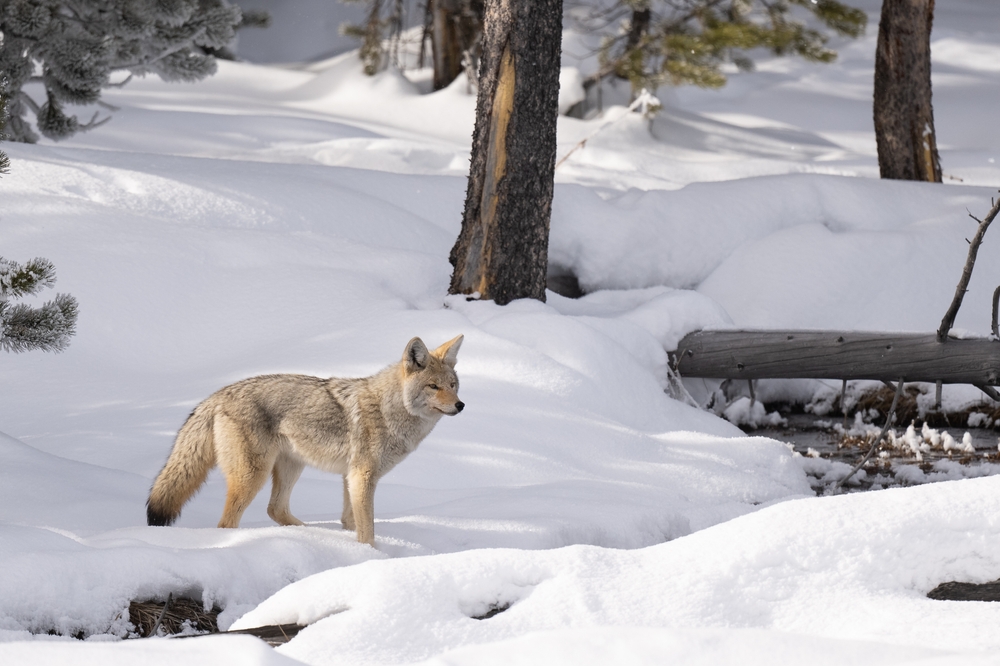
Winter in Yellowstone is arguably the best season for spotting wildlife. With the leaves off the trees and snow covering the ground, visibility improves dramatically. Wolves, coyotes, foxes, bison, elk, and even bald eagles are more easily spotted as they search for food or gather near thermal areas where snow is less deep. January and February are especially good months because animals tend to stay at lower elevations, where food is easier to find and conditions are slightly less severe.
For those interested in wolf watching, the Lamar Valley is the place to be. Known as the “Serengeti of North America,” this area comes alive in winter. It’s easier to follow wolf tracks in the snow, and the lack of foliage gives you clear views across the valley. Many February Yellowstone guided tours focus on wildlife tracking and often include spotting scopes for distant views. Professional guides bring invaluable knowledge, making these tours both educational and unforgettable.
Better Winter Yellowstone Tour Availability
Although Yellowstone is open year-round, winter access is more limited. Only certain roads are open to oversnow vehicles like snowcoaches or snowmobiles, and many areas are only accessible via guided tours. This means that booking in advance for January Yellowstone tours and February Yellowstone guided tours is essential. These early winter months offer more tour availability compared to the tail end of the season in March, when weather starts to change and some winter operations begin to wind down.
Because tour providers know these months are the prime winter window, they tend to staff their most experienced guides during this time. Snow conditions are usually at their best in January and February, making travel by snowcoach or snowmobile smoother and more reliable. Private Yellowstone tours, winter operated, also have more flexible options during these months, whether you’re interested in photography, wildlife watching, or simply exploring iconic sights under snow and ice.
Unique Off-Season Yellowstone Travel Perks
Traveling during the off-season has many perks, especially when it comes to Yellowstone. Lodging options inside and around the park tend to be more available and more affordable. While not all lodges remain open in winter, those that do often offer winter packages that include transportation and meals, which adds comfort and convenience to your trip. Local towns like Gardiner, West Yellowstone, and Cooke City are far less crowded, making it easier to enjoy local culture, food, and accommodations.
Winter travelers also benefit from the expertise of smaller tour groups. These intimate group sizes allow for more customized experiences, deeper conversations with guides, and better opportunities for individual questions and observations. Off-season Yellowstone travel also means less competition for prime photo spots and better lighting conditions, with low-angled sun casting dramatic shadows across the snow.
Moreover, you can expect fewer traffic disruptions. While only a portion of the park is open to vehicles in winter, those areas are kept in excellent condition for guided travel. Snowcoach tours often follow scenic routes that pass steaming geyser basins and frozen lakes, offering a tranquil and picturesque experience.
Tailored Experiences with Private Yellowstone Tours, Winter Edition
For travelers seeking exclusivity and a more personalized itinerary, private Yellowstone tours, winter based, are an excellent choice. January and February are ideal times to take advantage of these specialized offerings. Whether you’re an amateur photographer aiming to capture ethereal steam rising from hot springs at sunrise, or a couple seeking a romantic adventure, private winter tours can be customized to your goals and pace.
Experienced private guides often design these tours around the interests of their guests, incorporating wildlife tracking, geothermal sightseeing, or even snowshoeing into a tailored schedule. Because demand is slightly lower than peak summer months, January and February often offer more availability and greater flexibility in scheduling.
Another benefit of private tours in winter is the ability to travel in comfort. Snowcoaches used for private tours are often equipped with heating, large windows, and even Wi-Fi, ensuring that you can enjoy the views without sacrificing comfort. These vehicles are designed to navigate the snowy terrain safely while offering panoramic views of the frosty wilderness.
Conclusion
Yellowstone in winter is a world apart from its summer counterpart. The stillness, the wildlife, the snow-draped scenery, and the sense of discovery all come together to create an extraordinary experience. January and February represent the heart of this season, when snow conditions are optimal, wildlife is active, and visitor numbers are at their lowest. January Yellowstone tours and February Yellowstone guided tours give travelers the opportunity to experience the park in its most magical and peaceful state.
Whether you’re interested in wildlife watching, photography, geothermal features, or simply craving a quiet escape into nature, the benefits of off-season Yellowstone travel are numerous. With better winter Yellowstone tour availability and the opportunity to book private Yellowstone tours, winter travelers can experience the park in a deeply meaningful way. January and February may be cold, but they offer the warmest memories and the most authentic Yellowstone adventure you can find.
Need Guided Tours Of Yellowstone National Park?
Welcome to Yellowstone Tour Guides! We here at Yellowstone Tour Guides are a family-owned tour agency that specializes in tours, sightseeing, and hikes throughout Yellowstone and Big Sky, Montana! Since 2001, we have been dedicated to showing families the beauty of Yellowstone Nation Park. We offer small-group sightseeing tours, multi-day backpacking, and hiking tours. We also provide private vacation planning and tours! We look forward to exploring Yellowstone with you! Call us today!