Reading the White Canvas: A Guide to Winter Tracking in the Lamar Valley
Winter in Yellowstone National Park transforms the Lamar Valley into a realm of silence and clarity. Snow blankets the ground in a clean, untouched canvas, making it easier to read the stories animals leave behind. This natural record, captured in the snow, opens a window into the secret lives of Yellowstone’s winter residents. For those intrigued by the mysteries of wildlife tracking, the Lamar Valley offers a rare opportunity to witness the marks of winter wolves, bison, elk, coyotes, and more. It is a place where every step tells a story, and every trail is a clue.
While the summer crowds disappear and the landscape lies frozen under layers of snow, life continues in the most fascinating ways. Lamar Valley, often referred to as America’s Serengeti, is among the most wildlife-rich areas of the park. In winter, it becomes a quiet stage for dramatic encounters, subtle movements, and primal survival. Snowshoeing or hiking with a guide through this starkly beautiful valley can reveal narratives most park visitors never experience. Wildlife tracking is more than identifying footprints. It is a way of engaging with the natural world that fosters patience, curiosity, and respect.
The Science and Art of Wildlife Tracking
Tracking animals in winter is part science, part intuition. The clear definition of prints in snow makes this season the best time for enthusiasts to sharpen their skills. The process begins with observing the size, shape, and gait of the track. A narrow, straight trail might indicate a fox on the hunt, while a wide and meandering path could belong to a foraging bison. Snow depth, wind conditions, and the time since snowfall all affect how well tracks are preserved. In Lamar Valley, where temperatures remain consistently low, tracks can linger for days, giving trackers a chance to reconstruct entire sequences of behavior.
Expert guides often lead guided snowshoe tracking tours, offering a hands-on introduction to these skills. They teach how to read trail patterns, decipher signs of digging or hunting, and distinguish between overlapping paths. Wildlife tracking is enriched by understanding animal behavior and habitat preferences. For instance, wolves tend to follow ridgelines or use human-made trails to conserve energy, while bison plow through deep snow with their heads in search of buried grasses.
It is not just footprints that tell a story. Scat, bedding areas, rub marks on trees, and even tufts of fur offer valuable information. By combining all these elements, trackers piece together complex stories of pursuit, evasion, and survival. Every successful identification deepens your connection with the ecosystem and helps you interpret the rhythms of winter wildlife behavior.
Following the Winter Wolves
Among all the creatures in Yellowstone, the wolves of Lamar Valley attract the most attention. Reintroduced in 1995, wolves have become one of the valley’s most iconic inhabitants. Winter provides the best chance to observe them, as their dark shapes are easier to spot against the snow, and their tracks are fresh and frequent. Following their movements can feel like uncovering a living mystery novel. A single print can lead to a pack trail, a chase scene, or even a fresh kill site.
Wolf tracks are large, symmetrical, and often travel in straight lines. They tend to move with purpose, whether scouting new territory or trailing a herd of elk. What makes Lamar Valley especially suited for winter wolf watching is its openness. The wide, treeless meadows allow for long-range spotting, and the combination of high predator and prey densities sets the stage for daily drama.
Trackers can often identify multiple wolves traveling together, deciphering pack hierarchy based on stride length and trail position. Sometimes, you can find evidence of a rest spot where they bedded down for the night, each indentation in the snow preserving the exact shape of a curled-up body. With luck and patience, one might even hear distant howls echoing across the frozen valley, adding an audio dimension to the experience.
Bison Snow Plowing and Other Winter Behaviors
Another unforgettable sight in the Lamar Valley is the snow plowing behavior of bison. These shaggy, resilient animals move through the landscape with slow determination, sweeping aside snow with their massive heads. This iconic motion creates furrowed trails that stand out clearly against the white background. Observing these patterns can help trackers estimate the direction and size of a herd, and even determine how recently the animals passed through.
Unlike wolves, bison tracks are broad and round, often leaving behind a network of trampled paths. Their movement is deliberate and generally confined to lower elevations where vegetation is more accessible. In deep snow, their gait becomes more labored, and they may return repeatedly to areas where they have successfully uncovered food.
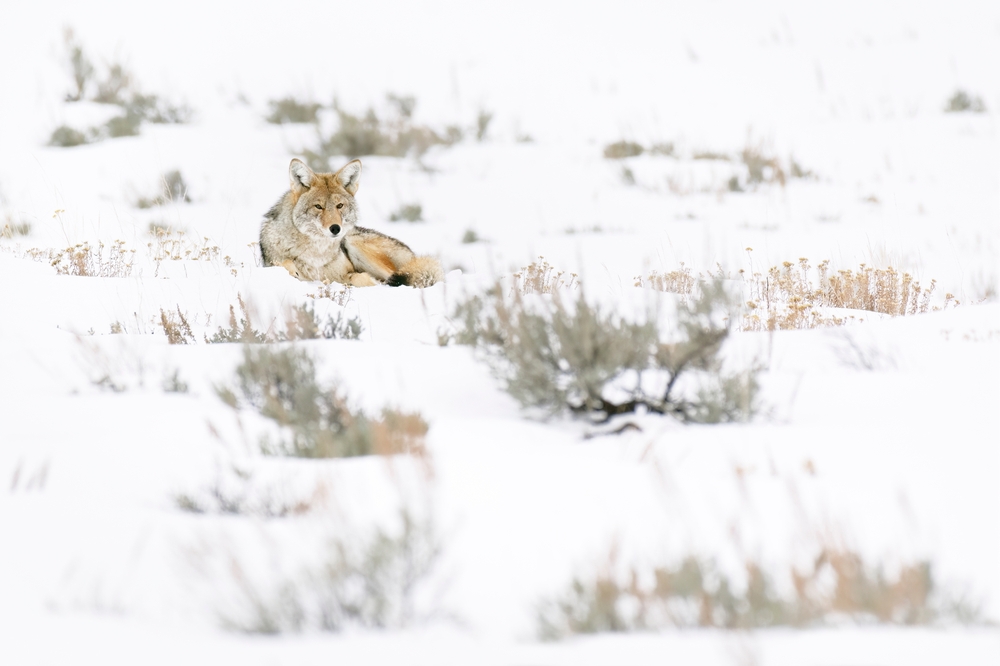
Other winter wildlife behavior becomes apparent through tracks and signs. Coyotes often mimic wolf trails but with more erratic paths and tighter turns. Foxes create neat, compact lines in fresh powder. Otters leave playful slide marks along riverbanks. Elk, moose, and deer create heavily used trails through the forest margins and along valleys. Even small mammals like weasels and snowshoe hares leave distinctive patterns that reflect their unique adaptations to winter conditions.
By understanding the behavior behind these patterns, visitors gain a much deeper appreciation for the harsh realities and subtle beauties of winter ecology.
Preparing for a Winter Tracking Adventure
Embarking on a winter wildlife tracking excursion in the Lamar Valley requires preparation. Temperatures can drop well below freezing, and weather conditions change rapidly. Dress in layers, wear insulated waterproof boots, and bring high-calorie snacks and plenty of water. Snowshoes or skis help with mobility, especially when following off-trail animal paths.
Safety is essential. Wildlife should be observed from a distance using binoculars or spotting scopes. Lamar Valley is also home to predators, so traveling with a guide is highly recommended. Guides are familiar with the terrain, animal behavior, and the safest ways to approach tracking. They also help interpret the subtler signs that may be missed by untrained eyes.
The National Park Service operates year-round, and several tour companies offer winter expeditions focused on guided snowshoe tracking and wildlife photography. These experiences provide both education and immersion, allowing participants to learn and observe without disturbing the natural flow of the ecosystem. With the right guidance, even first-time visitors can develop a meaningful understanding of winter wildlife behavior in a few short hours.
Conclusion
The white canvas of the Lamar Valley invites those with a keen eye and an open heart to experience Yellowstone in its most raw and revealing form. Winter strips away distractions and noise, replacing them with clarity, contrast, and presence. Each footprint, drag mark, or snow-bed holds a secret, waiting to be read by those who are willing to slow down and look closely.
Wildlife tracking in Yellowstone during winter is not only a skill but a mindset. It encourages mindfulness, curiosity, and respect for life in its most elemental state. Whether following the purposeful march of winter wolves, observing the powerful motion of bison snow plowing, or piecing together clues from subtle signs, the act of tracking turns a silent, frozen world into a vibrant, dynamic story.
For anyone passionate about wildlife, conservation, or simply connecting more deeply with the natural world, a winter trip to Lamar Valley is a journey worth making. The snow may be cold, but the stories it holds are rich, warm, and unforgettable.
Need Guided Tours Of Yellowstone National Park?
Welcome to Yellowstone Tour Guides! We here at Yellowstone Tour Guides are a family-owned tour agency that specializes in tours, sightseeing, and hikes throughout Yellowstone and Big Sky, Montana! Since 2001, we have been dedicated to showing families the beauty of Yellowstone Nation Park. We offer small-group sightseeing tours, multi-day backpacking, and hiking tours. We also provide private vacation planning and tours! We look forward to exploring Yellowstone with you! Call us today!