Can You See Wildlife in Yellowstone Without Hiking?
Yellowstone National Park is one of the most incredible destinations in the United States for observing wildlife in its natural habitat. The park covers nearly 3,500 square miles and is home to some of North America’s most iconic animals, including grizzly bears, wolves, bison, and elk. Many people assume that seeing these amazing creatures requires extensive hiking deep into the backcountry. However, the truth is that you can experience excellent Yellowstone wildlife viewing without putting on your hiking boots. In fact, some of the best places to see wildlife Yellowstone has to offer are accessible right from your vehicle or with minimal walking.
Road-Based Wildlife Viewing Opportunities
One of the most convenient ways to experience wildlife in Yellowstone is wildlife viewing from the road. The park’s extensive road system winds through prime animal habitats, offering numerous pullouts and scenic overlooks specifically designed for observation. The main Grand Loop Road spans 142 miles and passes through virtually every major ecosystem in the park. As you drive this route, you can stop at designated areas to scan the landscape with binoculars for distant animals.
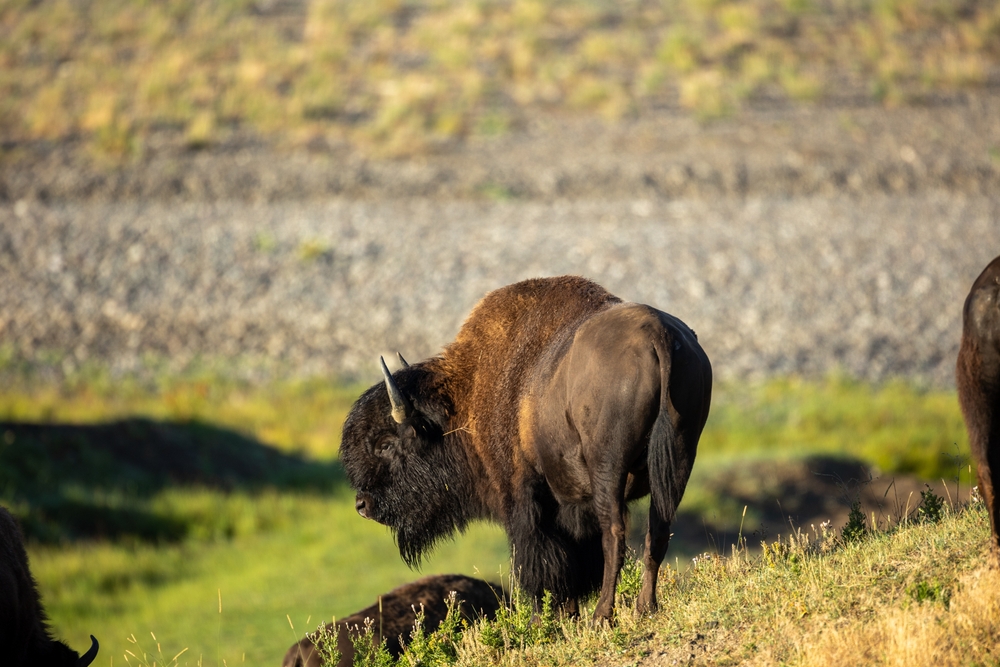
The Lamar Valley, often called the Serengeti of North America, is particularly excellent for road-based viewing. This broad valley provides open terrain where animals graze throughout the day, making them visible from the road. Early morning and late evening are optimal times to visit, as animals are most active during these hours. During spring and summer, you might spot elk, bison, pronghorn antelope, and occasionally wolves or grizzly bears from various pullouts along the valley road.
The Hayden Valley is another fantastic location for observing animals without hiking. This wetland area attracts numerous bison, elk, and waterfowl. The valley’s open landscape means animals are often visible from the road, and several safe pullouts allow you to stop and observe. Your chances of seeing wildlife increase significantly during the park’s shoulder seasons in spring and fall when animals congregate in these valleys.
Yellowstone Wildlife Tours and Guided Experiences
If you prefer professional guidance, Yellowstone wildlife tours offer an excellent alternative to self-directed exploration. Numerous outfitters operate within and near the park, providing guided tours specifically designed for wildlife observation. These tours often last several hours and are led by experienced naturalists who know exactly where to find animals and understand their behavior patterns.
Guided wildlife tours provide several advantages over solo exploration. Tour operators have extensive knowledge of animal movement patterns, seasonal migrations, and habitat preferences. They can explain what you are seeing in ecological and historical contexts, enriching your experience. Many tours use vehicles specially equipped for observation, including open-sided touring vehicles that offer excellent sightlines and photography opportunities. Additionally, tour guides can interpret animal behavior, helping you understand why animals are in specific locations and what they are doing.
Several local companies offer half-day and full-day wildlife viewing tours departing from gateway towns near Yellowstone. These tours typically focus on the most productive wildlife areas during the season you visit. Spring tours often target calving areas where you might see newborn animals, while summer tours emphasize valley viewing where herds congregate. Fall tours capitalize on the elk rut, when bull elk gather harems and vocalize intensely. Winter tours offer unique opportunities to see predator-prey interactions, as snow concentrates animals and makes them easier to spot.
Best Places to See Wildlife Yellowstone
Several specific locations stand out as the best places to see wildlife Yellowstone offers. The Lamar Valley top the list for spring through fall viewing. The valley’s open terrain and abundant vegetation make it ideal for observing grazing animals. The Soda Butte Creek drainage extends northeast from the main valley and frequently hosts wolves and grizzlies.
Mammoth Hot Springs area provides year-round opportunities to observe animals despite being accessible by car. The hot springs prevent snow accumulation in winter, concentrating ungulates in this area. Bison, elk, and occasionally bighorn sheep can be seen from the Mammoth terraces and nearby road areas.
Pelican Valley offers excellent early-season viewing, particularly in late spring when animals move into this region. Although some trails here are restricted during grizzly denning season, the valley’s perimeter roads provide viewing opportunities without requiring hiking.
The Madison area, where the Madison and Gibbon Rivers converge, attracts diverse wildlife. Bison wallow in the meadows, elk gather in small herds, and occasionally wolves and grizzlies visit the area. Multiple pullouts along the Madison Junction road provide excellent viewing stations.
Yellowstone Lake’s northern shore offers scenic views alongside wildlife observation opportunities. Trumpeter swans, pelicans, and other waterfowl are frequently visible. Elk and bison congregate in meadows near the lake, and you can observe them from several roadside vantage points.
Tips for Maximizing Your Wildlife Viewing Success
Successfully observing animals in Yellowstone without hiking requires strategy and patience. Time your visits for early morning and late evening when animals are most active. Avoid midday visits when animals typically rest in shaded areas, making them difficult to spot. Bring binoculars or a spotting scope, as many animals will be at considerable distances. Telephoto camera lenses also help with distant observation and photography.
Respect all safety regulations and maintain appropriate distances from animals. The park requires you to stay at least 25 yards from most wildlife and 100 yards from bears and wolves. Never approach animals for photographs or approach animals that appear injured or young. If you encounter a bear while viewing from your vehicle, remain in your car with windows closed and engine running for quick escape if needed.
Consider what season to visit based on your wildlife viewing preferences. Spring offers excellent opportunities to see bears emerging from dens and ungulates with newborns. Summer allows viewing of most species, though animals may retreat to higher elevations in extreme heat. Fall brings concentrated viewing as animals gather for the rut and prepare for winter. Winter provides exceptional viewing for those willing to visit in cold weather, as snow makes animals more visible and concentrates them in lower elevations.
Visit multiple locations during your stay rather than spending entire days in one spot. Animal movements change daily based on weather, food availability, and other factors. What you miss in one valley might be visible in another. Flexibility and willingness to explore different areas significantly increase your chances of encountering diverse species.
Technology and Resources for Enhanced Viewing
Modern technology enhances wildlife viewing opportunities significantly. Download maps of the park showing viewpoint locations and wildlife hotspots. Smartphone apps designed for Yellowstone provide real-time wildlife sightings reported by other visitors. Binocular technology has improved dramatically, with lightweight options offering exceptional magnification and clarity. Some people use smartphone adapters that attach to binoculars for photography, capturing images of distant animals.
Visitor centers throughout the park provide current information about recent wildlife sightings. Rangers can direct you toward locations where animals were recently seen, improving your odds of success. Wildlife journals maintained at visitor centers document sightings by species and location, helping you plan your viewing strategy.
Conclusion
Yellowstone National Park offers spectacular wildlife viewing opportunities for visitors unable or unwilling to hike extensively. The combination of road-based observation, guided tours, and carefully selected viewing locations provides excellent chances to see iconic North American animals. With proper planning, appropriate timing, and realistic expectations, you can experience memorable wildlife encounters while remaining comfortable and close to your vehicle.
Need Guided Tours Of Yellowstone National Park?
Welcome to Yellowstone Tour Guides! We here at Yellowstone Tour Guides are a family-owned tour agency that specializes in tours, sightseeing, and hikes throughout Yellowstone and Big Sky, Montana! Since 2001, we have been dedicated to showing families the beauty of Yellowstone Nation Park. We offer small-group sightseeing tours, multi-day backpacking, and hiking tours. We also provide private vacation planning and tours! We look forward to exploring Yellowstone with you! Call us today!