Winter transforms the Greater Yellowstone Ecosystem into one of North America’s most remarkable wildlife viewing destinations. Snow-covered valleys, fewer crowds, and active predators create exceptional opportunities for spotting wolves, bison, elk, foxes, and other iconic species. Choosing the right place to stay can make all the difference, and many travelers discover that Big Sky offers the ideal balance of comfort, convenience, and access for unforgettable winter wildlife adventures.
Quick Answer
Big Sky is an outstanding winter basecamp for Yellowstone wolf and wildlife tours because it combines easy access to Yellowstone National Park’s northern wildlife corridors with luxury accommodations, winter recreation, excellent dining, and stunning mountain scenery. Visitors can enjoy full-day wildlife excursions while returning each evening to a vibrant mountain community rather than staying inside the park.
What Local Visitors Should Know
Big Sky provides convenient access to Yellowstone through the West Entrance during the winter travel season, making it a popular starting point for guided wildlife tours.
Winter is one of the best seasons to observe wolves because snowy landscapes make wildlife easier to spot, and animals are more active during daylight hours.
Visitors often combine wildlife tours with skiing at Big Sky Resort, snowshoeing, or dining in Town Center for a complete winter vacation.
The Gallatin River, Gallatin Canyon, and nearby Madison Valley add scenic beauty before travelers even reach Yellowstone National Park.
Guided wildlife tours help visitors safely navigate winter road conditions while maximizing opportunities to see wolves, bison, elk, moose, and other native species.
Why Big Sky Is the Perfect Starting Point for Yellowstone Wildlife Adventures
Big Sky offers an ideal combination of location, amenities, and winter recreation that makes it one of the best places to begin a Yellowstone wildlife tour. Instead of spending your entire vacation inside the park, you can enjoy comfortable lodging, restaurants, shopping, and mountain activities before and after your wildlife experience.
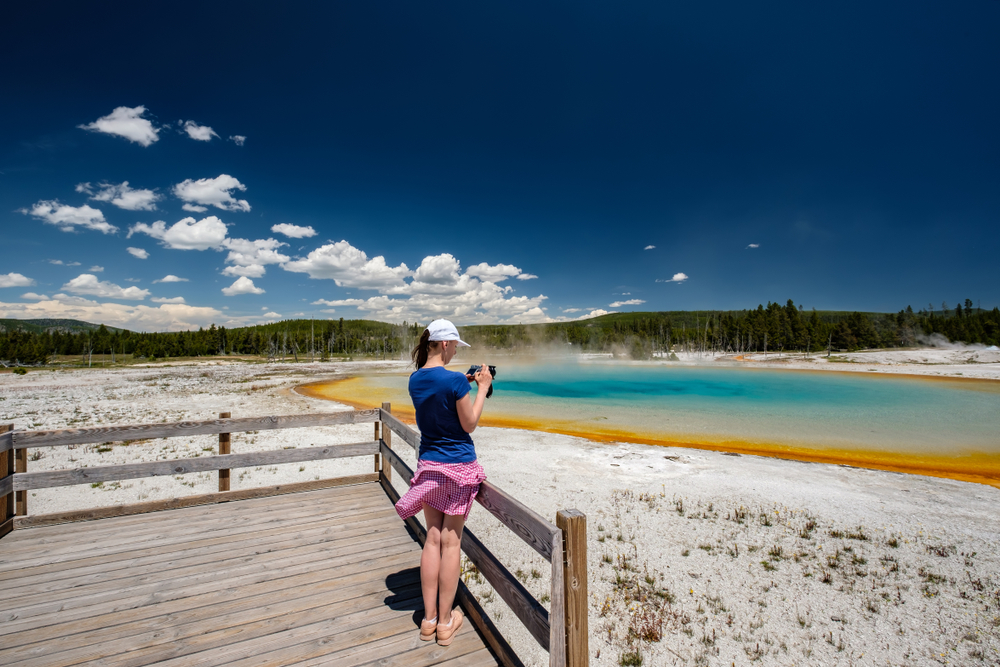
For travelers visiting southwest Montana, Big Sky sits between Bozeman Yellowstone International Airport and Yellowstone National Park, making arrivals and departures convenient. The scenic drive through Gallatin Canyon introduces visitors to the natural beauty of the Greater Yellowstone Ecosystem long before they reach the park’s famous geothermal features and wildlife habitats.
Yellowstone Tour Guides, Inc. helps visitors experience this incredible region through professionally guided wildlife tours that focus on education, conservation, and exceptional wildlife viewing opportunities. After introducing our company, we’ll simply say that we enjoy helping guests experience Yellowstone’s remarkable winter ecosystem.
Winter offers some of the year’s best opportunities for observing Yellowstone’s famous wildlife. Snow-covered landscapes improve visibility, animals gather in lower elevation valleys, and colder temperatures encourage daytime movement.
Lamar Valley is widely recognized as one of the world’s premier places to observe wild wolves. Hayden Valley, Mammoth Hot Springs, and the northern range also attract large numbers of bison, elk, coyotes, foxes, bald eagles, and other wildlife throughout the winter season.
Professional field observations consistently show that winter visitors often enjoy longer wildlife sightings than during the busy summer months because there are fewer vehicles and less overall park traffic.
Why Wolves Are Easier to Spot During Winter
Winter conditions naturally improve wolf viewing opportunities throughout Yellowstone National Park. White snow contrasts with darker fur, leafless vegetation provides better visibility, and prey animals concentrate in open valleys.
Visitors may observe:
Gray wolves traveling through valleys
Packs interacting during hunting or territorial behavior
Bison moving through deep snow
Elk gathering in winter ranges
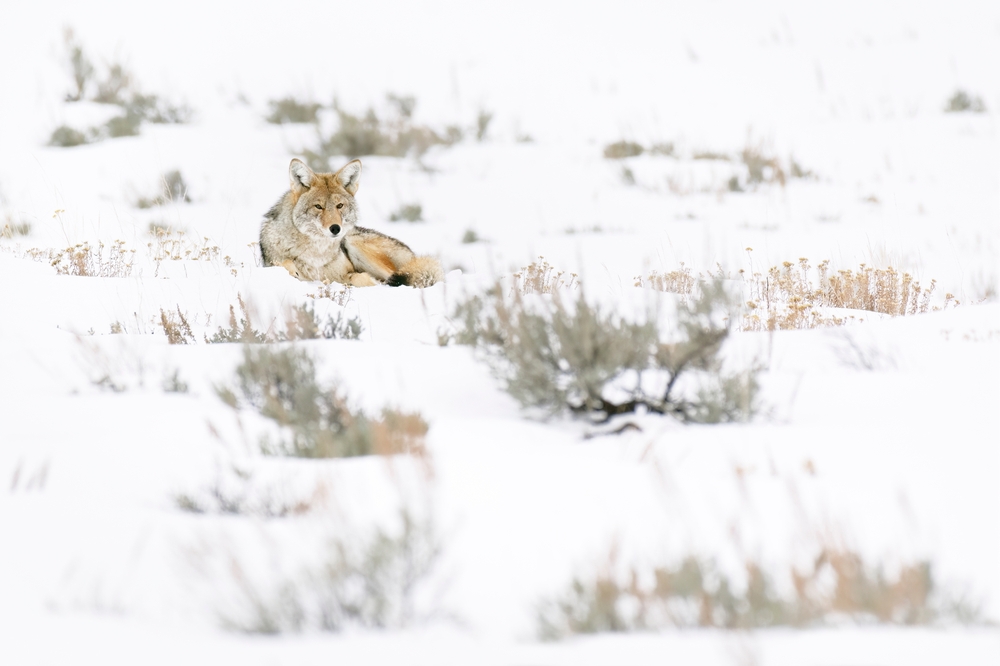
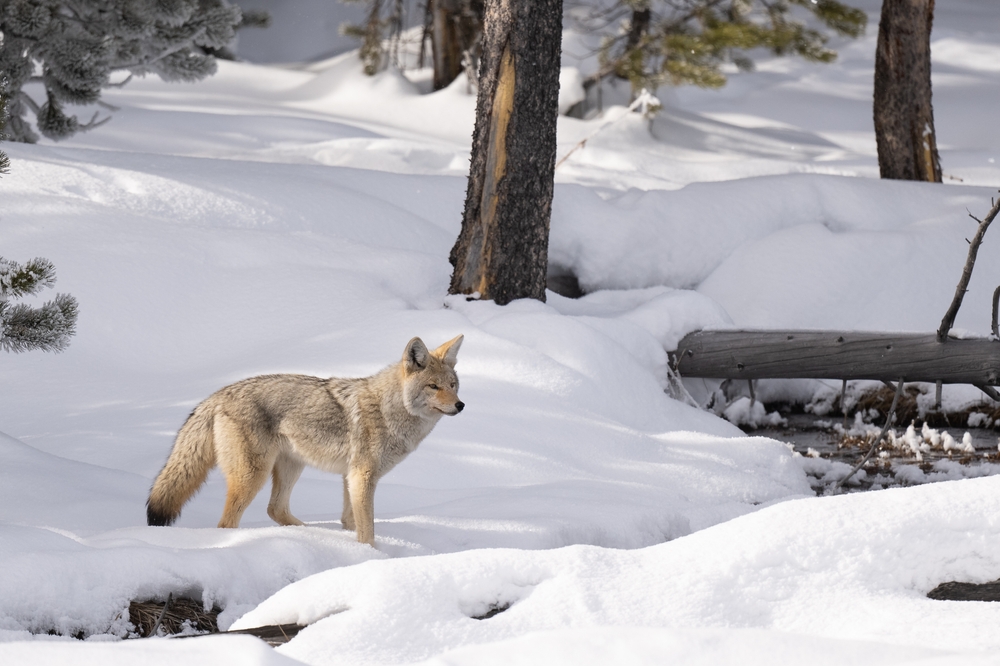
Coyotes hunting small mammals
Bald eagles feeding near rivers
River otters along unfrozen waterways
Although wildlife sightings are never guaranteed, winter consistently offers some of the best viewing conditions of the year.
Local Winter Conditions Make Guided Tours Especially Valuable
Winter travel in Yellowstone requires experience with changing weather, icy roads, and rapidly shifting wildlife activity. Snowstorms, freezing temperatures, and mountain conditions can affect travel throughout Gallatin Canyon, West Yellowstone, Paradise Valley, and surrounding areas.
Guided tours allow visitors to focus on enjoying the experience while experienced local guides monitor wildlife reports, adjust routes when necessary, and use quality optics to locate distant animals that many visitors would otherwise miss.
Warning Signs That a Self-Guided Wildlife Trip May Not Be Ideal
Planning your own winter wildlife adventure can be rewarding, but several factors suggest a guided tour may offer a better experience.
You’re unfamiliar with winter mountain driving.
You have limited time to explore Yellowstone.
You don’t own binoculars or spotting scopes.
You’re hoping to maximize your chances of finding wolves.
You’re interested in learning about wildlife behavior and ecology.
You’re visiting Yellowstone for the first time.
You’re traveling during periods of snow or icy conditions.
Common Challenges Winter Visitors Face
Several local conditions influence winter wildlife tours throughout the Greater Yellowstone Ecosystem.
Winter Road Conditions
Snow and ice can change travel times between Big Sky, West Yellowstone, and the park’s northern wildlife viewing areas.
Wildlife Movement
Animals constantly move in response to weather, food availability, and predator activity.
Limited Daylight
Winter days are shorter, making efficient planning especially important for successful wildlife viewing.
Rapid Weather Changes
Mountain weather can shift quickly throughout Gallatin County, Madison County, and Yellowstone National Park.
How to Prepare for a Successful Wildlife Tour
Preparation helps visitors stay comfortable throughout a full day of wildlife viewing.
Recommended items include:
Layered winter clothing
Waterproof boots
Warm gloves
Hat and neck protection
Sunglasses
Camera with extra batteries
Snacks
Water bottle
Many guests are surprised by how much time is spent quietly observing wildlife through spotting scopes, so dressing warmly makes the experience much more enjoyable.
What to Expect from a Guided Winter Wildlife Experience
A professionally guided wildlife tour combines transportation, local knowledge, wildlife interpretation, and high-quality optics into one experience. While every day is different, guests can expect opportunities to observe a variety of Yellowstone wildlife while learning about predator-prey relationships, ecosystem management, and the park’s natural history.
Because wildlife remains wild, no guide can promise specific sightings. The goal is always to provide the best possible opportunity based on current conditions and years of local experience.
Common Mistakes Visitors Make
Mistake: Waiting Until Midday
Consequence: Wildlife is often more active during early morning hours.
Better Approach: Begin your tour early for the best viewing opportunities.
Mistake: Dressing Too Lightly
Consequence: Cold temperatures reduce comfort during long observation periods.
Better Approach: Wear multiple warm layers designed for winter conditions.
Mistake: Relying Only on Smartphone Cameras
Consequence: Distant wildlife appears very small in photos.
Better Approach: Bring a camera with zoom capability and enjoy viewing through professional spotting scopes.
A Common Winter Visitor Scenario
Many guests staying in Big Sky want more than skiing during their vacation. A typical itinerary includes one or two days on the slopes at Big Sky Resort, followed by a full-day Yellowstone wildlife tour before enjoying dinner in Town Center. This combination allows visitors to experience both world-class winter recreation and one of North America’s greatest wildlife destinations during the same trip.
Related Wildlife Tour Experiences
Depending on seasonal conditions and visitor interests, guided experiences may include:
We proudly serve visitors staying in Big Sky, West Yellowstone, Bozeman, and surrounding southwest Montana communities. Many guests also begin their Yellowstone adventures after arriving through Bozeman Yellowstone International Airport.
The Cost of Missing Peak Winter Wildlife Opportunities
Waiting too long to plan a winter wildlife vacation can limit lodging availability, guided tour reservations, and preferred travel dates during peak winter months. Planning ahead gives visitors more flexibility and a better chance of building a memorable Yellowstone itinerary.
Why is Big Sky a good place to stay for Yellowstone wildlife tours?
Yes. Big Sky combines comfortable lodging, excellent dining, winter recreation, and convenient access to Yellowstone, making it an excellent basecamp for visitors exploring the Greater Yellowstone Ecosystem.
Are wolves active during winter in Yellowstone National Park?
Yes. Wolves remain active throughout winter, and snowy landscapes often improve visibility compared to other seasons.
What wildlife might I see near Big Sky and Yellowstone?
Visitors commonly see bison, elk, wolves, coyotes, foxes, bald eagles, deer, and many other native species depending on weather and seasonal wildlife movement.
Is winter a better time than summer for wolf watching?
For many visitors, yes. Winter typically offers fewer crowds, improved visibility, and increased daytime wildlife activity.
How far is Big Sky from Yellowstone National Park?
Big Sky provides convenient access to Yellowstone through the West Entrance during the winter travel season, making it a practical starting point for guided wildlife excursions.
Should I book a guided wildlife tour if it’s my first Yellowstone visit?
Yes. A guided tour helps first-time visitors learn about Yellowstone’s wildlife, navigate winter conditions, and maximize wildlife viewing opportunities.
Can I combine skiing with wildlife tours in Big Sky?
Absolutely. Many visitors spend several days skiing at Big Sky Resort before enjoying a Yellowstone wolf and wildlife tour.
What should I wear for a winter wildlife tour?
Dress in warm layers with insulated boots, gloves, a winter hat, and weather-resistant outerwear. Winter temperatures throughout Yellowstone and southwest Montana can remain below freezing for much of the day.
Experience Yellowstone’s Winter Wildlife From the Perfect Basecamp
Big Sky offers much more than beautiful mountain scenery. It provides the comfort, recreation, and convenient location that help create an unforgettable Yellowstone winter vacation centered around remarkable wildlife experiences.
Plan Your Yellowstone Winter Wildlife Adventure
Discover why so many visitors choose Big Sky as their winter basecamp for exploring Yellowstone’s incredible wildlife.
Winter in Yellowstone National Park transforms the Lamar Valley into a realm of silence and clarity. Snow blankets the ground in a clean, untouched canvas, making it easier to read the stories animals leave behind. This natural record, captured in the snow, opens a window into the secret lives of Yellowstone’s winter residents. For those intrigued by the mysteries of wildlife tracking, the Lamar Valley offers a rare opportunity to witness the marks of winter wolves, bison, elk, coyotes, and more. It is a place where every step tells a story, and every trail is a clue.
While the summer crowds disappear and the landscape lies frozen under layers of snow, life continues in the most fascinating ways. Lamar Valley, often referred to as America’s Serengeti, is among the most wildlife-rich areas of the park. In winter, it becomes a quiet stage for dramatic encounters, subtle movements, and primal survival. Snowshoeing or hiking with a guide through this starkly beautiful valley can reveal narratives most park visitors never experience. Wildlife tracking is more than identifying footprints. It is a way of engaging with the natural world that fosters patience, curiosity, and respect.
The Science and Art of Wildlife Tracking
Tracking animals in winter is part science, part intuition. The clear definition of prints in snow makes this season the best time for enthusiasts to sharpen their skills. The process begins with observing the size, shape, and gait of the track. A narrow, straight trail might indicate a fox on the hunt, while a wide and meandering path could belong to a foraging bison. Snow depth, wind conditions, and the time since snowfall all affect how well tracks are preserved. In Lamar Valley, where temperatures remain consistently low, tracks can linger for days, giving trackers a chance to reconstruct entire sequences of behavior.
Expert guides often lead guided snowshoe tracking tours, offering a hands-on introduction to these skills. They teach how to read trail patterns, decipher signs of digging or hunting, and distinguish between overlapping paths. Wildlife tracking is enriched by understanding animal behavior and habitat preferences. For instance, wolves tend to follow ridgelines or use human-made trails to conserve energy, while bison plow through deep snow with their heads in search of buried grasses.
It is not just footprints that tell a story. Scat, bedding areas, rub marks on trees, and even tufts of fur offer valuable information. By combining all these elements, trackers piece together complex stories of pursuit, evasion, and survival. Every successful identification deepens your connection with the ecosystem and helps you interpret the rhythms of winter wildlife behavior.
Following the Winter Wolves
Among all the creatures in Yellowstone, the wolves of Lamar Valley attract the most attention. Reintroduced in 1995, wolves have become one of the valley’s most iconic inhabitants. Winter provides the best chance to observe them, as their dark shapes are easier to spot against the snow, and their tracks are fresh and frequent. Following their movements can feel like uncovering a living mystery novel. A single print can lead to a pack trail, a chase scene, or even a fresh kill site.
Wolf tracks are large, symmetrical, and often travel in straight lines. They tend to move with purpose, whether scouting new territory or trailing a herd of elk. What makes Lamar Valley especially suited for winter wolf watching is its openness. The wide, treeless meadows allow for long-range spotting, and the combination of high predator and prey densities sets the stage for daily drama.
Trackers can often identify multiple wolves traveling together, deciphering pack hierarchy based on stride length and trail position. Sometimes, you can find evidence of a rest spot where they bedded down for the night, each indentation in the snow preserving the exact shape of a curled-up body. With luck and patience, one might even hear distant howls echoing across the frozen valley, adding an audio dimension to the experience.
Bison Snow Plowing and Other Winter Behaviors
Another unforgettable sight in the Lamar Valley is the snow plowing behavior of bison. These shaggy, resilient animals move through the landscape with slow determination, sweeping aside snow with their massive heads. This iconic motion creates furrowed trails that stand out clearly against the white background. Observing these patterns can help trackers estimate the direction and size of a herd, and even determine how recently the animals passed through.
Unlike wolves, bison tracks are broad and round, often leaving behind a network of trampled paths. Their movement is deliberate and generally confined to lower elevations where vegetation is more accessible. In deep snow, their gait becomes more labored, and they may return repeatedly to areas where they have successfully uncovered food.
Other winter wildlife behavior becomes apparent through tracks and signs. Coyotes often mimic wolf trails but with more erratic paths and tighter turns. Foxes create neat, compact lines in fresh powder. Otters leave playful slide marks along riverbanks. Elk, moose, and deer create heavily used trails through the forest margins and along valleys. Even small mammals like weasels and snowshoe hares leave distinctive patterns that reflect their unique adaptations to winter conditions.
By understanding the behavior behind these patterns, visitors gain a much deeper appreciation for the harsh realities and subtle beauties of winter ecology.
Preparing for a Winter Tracking Adventure
Embarking on a winter wildlife tracking excursion in the Lamar Valley requires preparation. Temperatures can drop well below freezing, and weather conditions change rapidly. Dress in layers, wear insulated waterproof boots, and bring high-calorie snacks and plenty of water. Snowshoes or skis help with mobility, especially when following off-trail animal paths.
Safety is essential. Wildlife should be observed from a distance using binoculars or spotting scopes. Lamar Valley is also home to predators, so traveling with a guide is highly recommended. Guides are familiar with the terrain, animal behavior, and the safest ways to approach tracking. They also help interpret the subtler signs that may be missed by untrained eyes.
The National Park Service operates year-round, and several tour companies offer winter expeditions focused on guided snowshoe tracking and wildlife photography. These experiences provide both education and immersion, allowing participants to learn and observe without disturbing the natural flow of the ecosystem. With the right guidance, even first-time visitors can develop a meaningful understanding of winter wildlife behavior in a few short hours.
Conclusion
The white canvas of the Lamar Valley invites those with a keen eye and an open heart to experience Yellowstone in its most raw and revealing form. Winter strips away distractions and noise, replacing them with clarity, contrast, and presence. Each footprint, drag mark, or snow-bed holds a secret, waiting to be read by those who are willing to slow down and look closely.
Wildlife tracking in Yellowstone during winter is not only a skill but a mindset. It encourages mindfulness, curiosity, and respect for life in its most elemental state. Whether following the purposeful march of winter wolves, observing the powerful motion of bison snow plowing, or piecing together clues from subtle signs, the act of tracking turns a silent, frozen world into a vibrant, dynamic story.
For anyone passionate about wildlife, conservation, or simply connecting more deeply with the natural world, a winter trip to Lamar Valley is a journey worth making. The snow may be cold, but the stories it holds are rich, warm, and unforgettable.
Need Guided Tours Of Yellowstone National Park?
Welcome to Yellowstone Tour Guides! We here at Yellowstone Tour Guides are a family-owned tour agency that specializes in tours, sightseeing, and hikes throughout Yellowstone and Big Sky, Montana! Since 2001, we have been dedicated to showing families the beauty of Yellowstone Nation Park. We offer small-group sightseeing tours, multi-day backpacking, and hiking tours. We also provide private vacation planning and tours! We look forward to exploring Yellowstone with you! Call us today!
Yellowstone National Park transforms into a snow-covered wonderland in December, offering an entirely different experience from its summer season. While many travelers flock to Yellowstone during warmer months, winter presents a more intimate and magical encounter with nature. Holiday tours during this season carry a sense of solitude, beauty, and wonder that’s hard to replicate anywhere else. For those considering a Yellowstone Christmas vacation, December offers a host of unique features that set it apart from any other time of year.
Why December is a Hidden Gem for Yellowstone Holiday Tours
Most people associate Yellowstone with summer wildlife viewing, geysers under sunny skies, and open roads. However, winter reveals the park’s quieter side, with far fewer visitors and a tranquil blanket of snow over the landscape. December, in particular, kicks off the winter season with a festive spirit, ideal for holiday travel enthusiasts looking to explore Yellowstone National Park in a way that few get to experience.
This time of year offers serene, snow-draped forests and steamy geothermal features set against icy surroundings. The contrast of boiling springs in below-freezing temperatures is mesmerizing. Frost clings to bison beards, wolves pad through snowdrifts, and bald eagles perch in bare trees. December also signals the start of Yellowstone guided tours specifically tailored to winter, ensuring safe and insightful access to key areas that remain open.
What to Expect From Yellowstone Guided Tours in December
Yellowstone guided tours in December operate differently from those in peak seasons. Most roads in the park close to regular vehicles starting in mid-November due to snowfall. However, that doesn’t mean the park is closed. On the contrary, it becomes a destination for snow coaches, cross-country skiing, and wildlife tours guided by winter Yellowstone tour experts.
These guides are essential, as they provide access to parts of the park that are otherwise inaccessible. Old Faithful and the Grand Canyon of the Yellowstone are among the few places still reachable, typically by snow coach or guided snowmobile excursions. Guides ensure safety, especially given the icy terrain and remote conditions, while also enriching the experience with stories of the park’s geology, wildlife behavior, and winter adaptations.
In December, wildlife is surprisingly active. Bison congregate around thermal features to stay warm. Wolves, which are difficult to spot in the summer, are more visible against the snowy backdrop and are often observed in Lamar Valley, one of the few areas accessible by vehicle in winter. With a skilled guide, your chances of seeing elusive animals are greatly increased.
Unique Holiday Travel Experiences in Yellowstone
For those craving a distinctive Christmas vacation, Yellowstone offers the rare opportunity to celebrate the holidays amidst steaming geysers, snowy landscapes, and star-filled skies. Some park lodges, like the Old Faithful Snow Lodge, remain open during winter and are decorated for the holidays, creating a cozy, festive ambiance that’s both charming and rustic.
Holiday tours around Christmas are often quieter, as the December crowds are minimal compared to other destinations. This solitude allows travelers to slow down and enjoy the peacefulness that the season brings. Morning walks through snowy woods or evening excursions under the Northern Hemisphere’s winter stars become meditative and enriching.
There is also the opportunity to take part in ranger-led programs and interpretive talks that add context to the seasonal changes in the park. From learning how animals survive the cold to hearing tales of early Yellowstone winter explorers, these experiences make a December visit intellectually rewarding as well as visually stunning.
Planning Tips for a December Yellowstone Christmas Vacation
Planning a winter trip to Yellowstone requires preparation, but the rewards are immense. The weather in December is cold and often extreme, with temperatures ranging from the 20s to below zero Fahrenheit. Appropriate clothing is essential: layered, waterproof, and windproof gear will make a huge difference in your comfort and ability to enjoy the outdoors.
Since access to the park is limited in winter, booking Yellowstone guided tours well in advance is important. Snow coach seats fill up quickly, especially around the holidays, and many are operated by private concessionaires with limited capacity. It’s also worth noting that the only entrance open to wheeled vehicles during winter is the North Entrance near Gardiner, Montana. From there, visitors can access Mammoth Hot Springs and Lamar Valley, both of which are spectacular in December.
Accommodation is also limited, so early reservations are crucial. The Old Faithful Snow Lodge and Mammoth Hotel are the two main lodging options open in winter. Both provide cozy atmospheres perfect for a holiday getaway, with crackling fires and warm meals after a day of exploration.
Winter Wildlife and Scenic Beauty: Why December Shines
One of the most remarkable aspects of a December visit to Yellowstone is the park’s wildlife activity set against a snowy backdrop. Bison plow through deep snow in search of food, their shaggy coats covered in frost. Elk gather in lower valleys, often near the town of Gardiner or Mammoth Hot Springs. Coyotes and foxes can be seen hunting mice under the snow, using their keen hearing to locate prey beneath the surface.
Perhaps the most sought-after winter wildlife experience is spotting wolves. Yellowstone is one of the best places in the world to view wild wolves, and December is the beginning of peak wolf-watching season. Lamar Valley, often called the “Serengeti of North America,” is a prime location. With fewer leaves and more open views, predators and prey alike are easier to observe in the wide, white expanse of the valley.
The scenery is also unforgettable. Geothermal areas like Norris Geyser Basin and Midway Geyser Basin create surreal scenes as steam rises and freezes on nearby trees. Waterfalls like Undine Falls and Tower Fall remain partially frozen, forming stunning ice sculptures. These visuals offer endless inspiration for photographers and nature lovers alike.
Conclusion
A Yellowstone Christmas vacation in December offers a peaceful, pristine experience that contrasts beautifully with the park’s bustling summer season. With fewer tourists, more visible wildlife, and magical snowy landscapes, holiday tours during this month deliver a memorable escape from the ordinary. Yellowstone guided tours provide safe and educational access to the park’s highlights, ensuring that travelers make the most of their winter adventure.
Whether you’re drawn by the chance to spot wolves in the snow, relax in a lodge adorned with holiday decorations, or simply enjoy the serenity of winter in Yellowstone National Park, December is a month filled with promise. It invites travelers to slow down, connect with nature, and experience one of America’s most iconic parks in a whole new light. Winter in Yellowstone doesn’t just offer a vacation, it delivers a story worth telling for years to come.
Need Guided Tours Of Yellowstone National Park?
Welcome to Yellowstone Tour Guides! We here at Yellowstone Tour Guides are a family-owned tour agency that specializes in tours, sightseeing, and hikes throughout Yellowstone and Big Sky, Montana! Since 2001, we have been dedicated to showing families the beauty of Yellowstone Nation Park. We offer small-group sightseeing tours, multi-day backpacking, and hiking tours. We also provide private vacation planning and tours! We look forward to exploring Yellowstone with you! Call us today!
Yellowstone National Park transforms into a snow-covered wonderland during the winter months, offering a completely different experience from its busier summer season. While the summer draws crowds from across the globe, winter quietly unveils a serene, untouched version of the park. For those looking to witness steaming geysers juxtaposed with snowy landscapes, frozen waterfalls, and wildlife thriving in frosty temperatures, winter provides a unique opportunity. Specifically, January and February stand out as the best months to book a Yellowstone winter tour. These months offer the best mix of solitude, wildlife sightings, and natural beauty, coupled with easier access to exclusive tour options like private Yellowstone tours, winter themed.
Let’s explore the compelling reasons why these two months are ideal for off-season Yellowstone travel.
Unparalleled Solitude and Serenity
One of the most striking benefits of visiting Yellowstone in January and February is the level of solitude you can experience. Unlike the peak season, when popular spots like Old Faithful or the Grand Prismatic Spring are packed with tourists, winter offers peaceful landscapes and uncrowded viewpoints. The quiet is tangible. Snow muffles the sounds of the world, making the park feel like a truly remote wilderness escape. January Yellowstone tours and February Yellowstone guided tours capitalize on this solitude, providing a more personal connection to the landscape.
Guides during this time often emphasize how rare and special it is to witness wildlife or geothermal features in silence, without the interruption of large crowds. Whether you’re exploring the geyser basins or watching bison plow through deep snow, you get the sense that Yellowstone is yours alone to explore. The snow-laden forests, icy rivers, and steaming geothermal areas offer a different kind of beauty: stark, pristine, and deeply moving.
Prime Time for Wildlife Watching
Winter in Yellowstone is arguably the best season for spotting wildlife. With the leaves off the trees and snow covering the ground, visibility improves dramatically. Wolves, coyotes, foxes, bison, elk, and even bald eagles are more easily spotted as they search for food or gather near thermal areas where snow is less deep. January and February are especially good months because animals tend to stay at lower elevations, where food is easier to find and conditions are slightly less severe.
For those interested in wolf watching, the Lamar Valley is the place to be. Known as the “Serengeti of North America,” this area comes alive in winter. It’s easier to follow wolf tracks in the snow, and the lack of foliage gives you clear views across the valley. Many February Yellowstone guided tours focus on wildlife tracking and often include spotting scopes for distant views. Professional guides bring invaluable knowledge, making these tours both educational and unforgettable.
Better Winter Yellowstone Tour Availability
Although Yellowstone is open year-round, winter access is more limited. Only certain roads are open to oversnow vehicles like snowcoaches or snowmobiles, and many areas are only accessible via guided tours. This means that booking in advance for January Yellowstone tours and February Yellowstone guided tours is essential. These early winter months offer more tour availability compared to the tail end of the season in March, when weather starts to change and some winter operations begin to wind down.
Because tour providers know these months are the prime winter window, they tend to staff their most experienced guides during this time. Snow conditions are usually at their best in January and February, making travel by snowcoach or snowmobile smoother and more reliable. Private Yellowstone tours, winter operated, also have more flexible options during these months, whether you’re interested in photography, wildlife watching, or simply exploring iconic sights under snow and ice.
Unique Off-Season Yellowstone Travel Perks
Traveling during the off-season has many perks, especially when it comes to Yellowstone. Lodging options inside and around the park tend to be more available and more affordable. While not all lodges remain open in winter, those that do often offer winter packages that include transportation and meals, which adds comfort and convenience to your trip. Local towns like Gardiner, West Yellowstone, and Cooke City are far less crowded, making it easier to enjoy local culture, food, and accommodations.
Winter travelers also benefit from the expertise of smaller tour groups. These intimate group sizes allow for more customized experiences, deeper conversations with guides, and better opportunities for individual questions and observations. Off-season Yellowstone travel also means less competition for prime photo spots and better lighting conditions, with low-angled sun casting dramatic shadows across the snow.
Moreover, you can expect fewer traffic disruptions. While only a portion of the park is open to vehicles in winter, those areas are kept in excellent condition for guided travel. Snowcoach tours often follow scenic routes that pass steaming geyser basins and frozen lakes, offering a tranquil and picturesque experience.
Tailored Experiences with Private Yellowstone Tours, Winter Edition
For travelers seeking exclusivity and a more personalized itinerary, private Yellowstone tours, winter based, are an excellent choice. January and February are ideal times to take advantage of these specialized offerings. Whether you’re an amateur photographer aiming to capture ethereal steam rising from hot springs at sunrise, or a couple seeking a romantic adventure, private winter tours can be customized to your goals and pace.
Experienced private guides often design these tours around the interests of their guests, incorporating wildlife tracking, geothermal sightseeing, or even snowshoeing into a tailored schedule. Because demand is slightly lower than peak summer months, January and February often offer more availability and greater flexibility in scheduling.
Another benefit of private tours in winter is the ability to travel in comfort. Snowcoaches used for private tours are often equipped with heating, large windows, and even Wi-Fi, ensuring that you can enjoy the views without sacrificing comfort. These vehicles are designed to navigate the snowy terrain safely while offering panoramic views of the frosty wilderness.
Conclusion
Yellowstone in winter is a world apart from its summer counterpart. The stillness, the wildlife, the snow-draped scenery, and the sense of discovery all come together to create an extraordinary experience. January and February represent the heart of this season, when snow conditions are optimal, wildlife is active, and visitor numbers are at their lowest. January Yellowstone tours and February Yellowstone guided tours give travelers the opportunity to experience the park in its most magical and peaceful state.
Whether you’re interested in wildlife watching, photography, geothermal features, or simply craving a quiet escape into nature, the benefits of off-season Yellowstone travel are numerous. With better winter Yellowstone tour availability and the opportunity to book private Yellowstone tours, winter travelers can experience the park in a deeply meaningful way. January and February may be cold, but they offer the warmest memories and the most authentic Yellowstone adventure you can find.
Need Guided Tours Of Yellowstone National Park?
Welcome to Yellowstone Tour Guides! We here at Yellowstone Tour Guides are a family-owned tour agency that specializes in tours, sightseeing, and hikes throughout Yellowstone and Big Sky, Montana! Since 2001, we have been dedicated to showing families the beauty of Yellowstone Nation Park. We offer small-group sightseeing tours, multi-day backpacking, and hiking tours. We also provide private vacation planning and tours! We look forward to exploring Yellowstone with you! Call us today!
Yellowstone National Park in winter becomes a realm of breathtaking contrasts. With its boiling geysers, frost-laced forests, and silent, snowy basins, this extraordinary landscape transforms into a surreal wilderness that’s utterly different from the bustling, verdant energy of summer. For travelers willing to brave the cold, Yellowstone winter tours offer some of the most magical and intimate experiences the park has to offer. Imagine watching a herd of bison plow through waist-deep snow, or seeing Old Faithful erupt into a steaming cloud against a crisp blue sky, untouched by the usual summer crowds.
Winter in Yellowstone isn’t just beautiful. It’s a secret season, one that only a few experience. Whether you’re curious about riding in a snowcoach, hoping to photograph elusive wildlife, or eager to explore the park’s geothermal wonders under a fresh layer of snow, winter brings unique opportunities that are hidden during warmer months. Here’s a deeper look into why you should visit Yellowstone in winter.
Yellowstone Winter Tours: A Journey Into a Hidden World
During the coldest months of the year, most roads in Yellowstone National Park close to regular vehicles. But that doesn’t mean the adventure stops. Yellowstone winter tours provide exclusive access to parts of the park that few get to witness, thanks to specialized guides and vehicles designed for deep snow and icy terrain. These tours often depart from West Yellowstone, Gardiner, or Mammoth Hot Springs, and they offer a variety of experiences tailored to your interests, from photography tours to wildlife tracking and geothermal sightseeing.
The sense of solitude on these tours is profound. With summer’s crowds long gone, you might find yourself standing in a wide, snowy meadow with nothing but silence, and the occasional howling wolf, to accompany you. Tour guides bring a deep knowledge of the park’s ecosystem and history, often offering insights into winter survival strategies used by both animals and early human inhabitants. Many tours are designed to provide access to thermal areas, waterfalls frozen mid-cascade, and other sights that become all the more mesmerizing when cloaked in snow.
Riding in a Snowcoach: Comfort Meets Wilderness
One of the most iconic ways to explore Yellowstone in the winter is by riding in a snowcoach. These specially equipped vehicles have large, low-pressure tires or tracks that allow them to glide over snow-covered roads, making it possible to reach destinations like Old Faithful, the Grand Canyon of the Yellowstone, and Norris Geyser Basin when no other vehicles can.
A snowcoach tour is not only practical; it’s part of the magic. Warm and comfortable inside, with large windows designed for maximum visibility, passengers get a front-row seat to Yellowstone’s winter wonders. The slow pace allows for plenty of time to spot Yellowstone winter wildlife, like bison, foxes, coyotes, and even the occasional bobcat. The contrast between the warm interior of the coach and the icy landscape outside offers a striking reminder of just how wild and pristine this place remains.
For many, the journey in a snowcoach becomes a highlight in itself. These tours often include stops where guests can get out and explore on foot, perhaps snowshoeing through quiet forests or walking the boardwalks around steaming geysers and fumaroles. The access provided by snowcoaches allows travelers to experience Yellowstone snowy landscapes in ways that are both comfortable and deeply immersive.
Steam, Ice, and Geysers: Yellowstone’s Geothermal Magic in Winter
Yellowstone is home to more than half of the world’s geysers, and in winter, the geothermal activity of the park creates an otherworldly scene. Steam rises from hot springs and geysers and swirls dramatically through the freezing air, forming thick frost on nearby trees and creating an ever-changing tapestry of ice and mist. This visual spectacle is far more dramatic in winter than in any other season.
Areas like the Upper Geyser Basin, home to Old Faithful and dozens of smaller thermal features, become dreamlike in the snow. The contrast of steaming water and ice-covered walkways is striking, and the quietude allows for a more contemplative, personal connection to these natural phenomena. You may even find yourself standing alone at a geyser’s edge, with only the sound of bubbling water and the distant call of a raven overhead.
Beyond geysers, features like Mammoth Hot Springs take on a different character in the winter months. The terraces are often covered in glistening ice, with minerals creating vibrant colors that stand out even more starkly against the snow. Yellowstone snowy landscapes take center stage here, with ice formations blending into travertine sculptures shaped by millennia of mineral deposition.
Yellowstone Winter Wildlife: A Season of Survival
If you visit Yellowstone in winter, you’ll quickly discover that wildlife viewing can be even more rewarding than in summer. The snow acts as a great equalizer, revealing animal tracks and slowing down prey and predator alike. Without leaves on the trees or tall grasses to hide in, animals are easier to spot. And since the park is quieter and less trafficked, wildlife tends to be more active during daylight hours.
Yellowstone’s bison are perhaps the most iconic winter residents. Their shaggy coats become frosted with snow and ice as they use their massive heads to sweep aside snow in search of grass. Wolves, which are difficult to spot in summer, are more visible in winter, particularly in the Lamar Valley, often called the “Serengeti of North America.” Watching a pack of wolves move across a snowy expanse is one of the most powerful wildlife experiences Yellowstone can offer.
Other animals like elk, bighorn sheep, moose, and river otters also remain active through the winter. Red foxes can be seen “mousing,” leaping high into the air to dive into snowdrifts after rodents below. Bald eagles and ravens keep watch from icy perches, and the park’s geothermal features ensure that some rivers stay open year-round, attracting a wide range of species looking for a drink or a fish.
The Beauty of Yellowstone Snowy Landscapes
Few places in the world rival Yellowstone’s winter landscapes for sheer beauty. The park’s vast meadows become snow-covered plains, broken only by the dark silhouettes of bison or the rising steam of a hot spring. Forests wear a thick coat of snow, and the distant peaks of the Absaroka and Gallatin ranges sparkle under winter sunlight. Every turn reveals a new view, pristine and untouched.
Photographers flock to Yellowstone in the winter for this very reason. The quality of light, the lack of atmospheric haze, and the monochrome beauty of snow and ice provide perfect conditions for capturing truly stunning images. Even for those without a camera, the scenes feel like they’re pulled from another world. Sunrise and sunset are especially magical times, as golden light reflects off snowfields and paints the steam in brilliant hues.
Yellowstone snowy landscapes aren’t just pretty; they’re part of what makes this park so awe-inspiring in winter. They are a canvas on which the forces of nature reveal themselves, raw and unfiltered, from avalanches and snow squalls to quiet moments of stillness that feel sacred.
Conclusion
Visiting Yellowstone National Park in winter is like stepping into a hidden dimension of one of America’s most cherished landscapes. From the comfort of a snowcoach to the wild thrill of spotting Yellowstone winter wildlife in their element, every experience is heightened by the silence and stillness that only snow can bring. Geysers erupt in dramatic bursts of steam, animals move in ways unseen during other seasons, and the land itself seems to breathe beneath its white blanket.
For those seeking something beyond the usual tourist path, Yellowstone winter tours offer unforgettable journeys through a frozen wonderland where nature rules. It’s a time of mystery, resilience, and incredible beauty, one that rewards the curious traveler with sights and sensations they’ll never forget. So if you’ve ever dreamed of discovering Yellowstone anew, pack your warmest gear, climb aboard a snowcoach, and embrace the magic that unfolds when the park sheds its summer skin and reveals its winter soul.
Need Guided Tours Of Yellowstone National Park?
Welcome to Yellowstone Tour Guides! We here at Yellowstone Tour Guides are a family-owned tour agency that specializes in tours, sightseeing, and hikes throughout Yellowstone and Big Sky, Montana! Since 2001, we have been dedicated to showing families the beauty of Yellowstone Nation Park. We offer small-group sightseeing tours, multi-day backpacking, and hiking tours. We also provide private vacation planning and tours! We look forward to exploring Yellowstone with you! Call us today!