How to Capture the Magic: A Photographer’s Guide to Winter in Yellowstone

Yellowstone National Park in winter is a place of unparalleled beauty. Blanketed in snow and filled with thermal wonders, it transforms into a serene, surreal wilderness unlike any other. For photographers, winter in Yellowstone offers the rare opportunity to document landscapes and wildlife in their most magical form. Whether you’re joining one of the many winter photography tours or venturing out solo, mastering this terrain requires a unique blend of preparation, timing, and artistic instinct. This guide provides the insights you need to make the most of your photography journey in Yellowstone during winter.

Yellowstone’s Winter Landscape

Yellowstone in winter is a study in contrasts. The stark white of freshly fallen snow, the rising steam of geysers and hot springs, and the silhouettes of wildlife moving through the frost create images that are as dramatic as they are serene. Capturing the true essence of this wonderland begins with understanding its moods and rhythms.

The park’s elevation and geothermal activity create a unique microclimate. Morning fog rolls across the rivers, and steam from the thermal features refracts light in ethereal patterns. Snow-covered trees, frozen waterfalls, and geysers erupting into the cold air add layers of texture and movement to the scenery. The key to success lies in timing. Early morning light brings a soft, golden glow that contrasts beautifully with the snow, while late afternoon shadows stretch long across open valleys.

Knowing the best photo spots in Yellowstone winter is essential. Areas like Lamar Valley, Hayden Valley, Mammoth Hot Springs, and Norris Geyser Basin offer some of the most iconic views. These are also accessible via guided snowcoach tours or skis, allowing for both safety and optimal vantage points.

Wildlife Photography in Yellowstone’s Winter Wonderland

One of the greatest draws for photographers in winter is Yellowstone’s wildlife. The sparse landscape makes animal sightings more frequent and striking. Bison roam the snowy plains with steam rising from their backs. Elk, foxes, wolves, and even elusive bobcats may emerge against the quiet of the forest or the open stretches of frozen river.

Wildlife photography in Yellowstone during winter requires patience and respect. The cold naturally slows down both animals and people, making quiet observation more rewarding. Bison often gather near thermal areas where the snow is thin, creating the perfect blend of subject and scenery. Wolves are most often spotted in Lamar Valley, especially in the early morning hours when the park is at its quietest. Coyotes, on the other hand, are known to be quite photogenic as they hunt through the snow, leaping and pouncing in spectacular displays.

Always maintain ethical distances and use long lenses to capture behavior without intrusion. Wildlife photography, Yellowstone style, is about celebrating these animals in their natural state. Composing your frame to include both the animal and its environment tells a deeper story, one that goes beyond a portrait and enters into the realm of narrative photography.

Winter Photography Tips: Yellowstone Essentials

Winter photography in Yellowstone brings technical and environmental challenges, but with the right approach, these can be turned into creative opportunities. Cold temperatures drain batteries quickly, so it’s critical to carry spares and keep them warm. Condensation is another concern, particularly when moving between the cold outdoors and the warmth of a snowcoach or lodge. Letting your gear acclimate slowly in a sealed bag can help mitigate this.

Exposure settings can also be tricky. Snow often confuses camera meters, leading to underexposed shots. Dialing in positive exposure compensation (+1 to +2 stops) will help render the snow as bright and white, rather than dull gray. Use your histogram to verify exposure, not just the preview on your LCD, which can be misleading in such bright conditions.

Focus on contrast and composition. The monochromatic landscape allows for powerful leading lines, negative space, and minimalist compositions. Steam and fog offer soft layers and mood, especially when backlit. Try experimenting with both wide-angle shots that capture the scale of the landscape and tighter compositions that emphasize texture and detail.

Your clothing and physical comfort are just as important. Dressing in layers, using hand warmers, and protecting your fingers with photography gloves will allow you to stay in the field longer. A sturdy tripod is essential for longer exposures, especially when shooting in low light during sunrise or twilight.

Best Photo Spots in Yellowstone Winter

Knowing where to go is half the battle when photographing Yellowstone in winter. Some areas are closed to personal vehicles, so planning your trip around accessible regions is important. Many opt for winter photography tours which provide transportation via snowcoach or snowmobile and are led by guides who know where and when the light, wildlife, and scenery are at their best.

Lamar Valley remains accessible year-round and is considered one of the best locations for wildlife photography. Known as the “Serengeti of North America,” this valley is rich with bison, elk, and wolves, especially during the early morning hours.

Mammoth Hot Springs is another top destination, famous for its travertine terraces. In winter, the stark white snow contrasts sharply with the steaming terraces, creating a dreamlike, almost alien landscape.

The Norris Geyser Basin provides an excellent chance to photograph active geothermal features with snow swirling around them. The mix of color from the microbial mats, the vapor rising in the cold, and the surrounding snow make it a hotbed for dramatic photography.

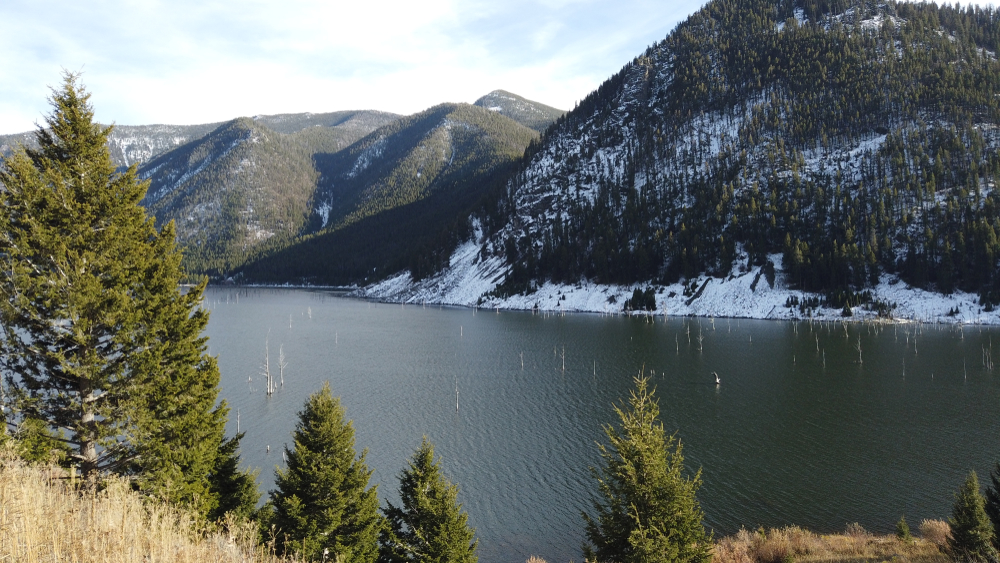
Yellowstone Lake, when partially frozen, offers reflections, frost, and steam that create mood and mystery. In the distance, mountains catch the first and last light of the day, adding scale and drama to any shot.

These best photo spots in Yellowstone winter offer countless opportunities, but flexibility and awareness of changing conditions are key. A location that’s stunning at sunrise may look completely different by midday, and that’s part of the beauty.

Choosing the Right Winter Photography Tour in Yellowstone

For those unfamiliar with navigating Yellowstone in snow and ice, joining a guided winter photography tour is a smart choice. Not only do these tours handle the logistics of transportation and park access, but they also provide expert guidance tailored to photographers.

Most winter photography tours in Yellowstone operate out of West Yellowstone, Gardiner, or Jackson Hole. They range from single-day excursions to week-long immersive experiences. Some tours specialize in landscape photography, while others focus primarily on wildlife. Choosing one that matches your interests and skill level ensures the best experience.

Tour guides often have insider knowledge of current wildlife activity and weather patterns, helping photographers be in the right place at the right time. This is especially important during winter when time and mobility are limited. Tours often provide access to areas that would be otherwise difficult to reach on your own, such as the interior geyser basins or remote wildlife habitats.

Investing in a guided experience can dramatically elevate your results, especially for first-time visitors. Whether you’re looking to expand your portfolio or simply experience the majesty of winter in Yellowstone, the guidance of experienced photographers and naturalists is invaluable.

Conclusion

Winter in Yellowstone is a season of contrast, stillness, and raw beauty. It challenges the photographer to slow down, observe carefully, and embrace the silence. The geothermal marvels, the wildlife braving the cold, and the sculptural landscape of ice and snow offer infinite inspiration.

Whether you’re braving the park solo or joining one of the many winter photography tours, success lies in preparation, patience, and presence. From the best photo spots in Yellowstone winter to the right techniques for wildlife photography, Yellowstone offers something profound for every lens and eye. It’s a place where each shutter click captures not just an image, but a moment of wild, frozen magic that exists nowhere else on earth.

So bundle up, pack your gear, and prepare for an unforgettable photographic journey through one of nature’s greatest winter showcases.

Need Guided Tours Of Yellowstone National Park?

Welcome to Yellowstone Tour Guides! We here at Yellowstone Tour Guides are a family-owned tour agency that specializes in tours, sightseeing, and hikes throughout Yellowstone and Big Sky, Montana! Since 2001, we have been dedicated to showing families the beauty of Yellowstone Nation Park. We offer small-group sightseeing tours, multi-day backpacking, and hiking tours. We also provide private vacation planning and tours! We look forward to exploring Yellowstone with you! Call us today!

Essential Gear and Tips for Visiting Yellowstone in Winter

Winter transforms Yellowstone National Park into a breathtaking wonderland, blanketed with pristine snow, frosted pines, and steaming geysers that seem even more dramatic in the cold. While summer may draw the crowds, those who brave the colder months are rewarded with solitude, surreal scenery, and incredible wildlife sightings including bison plowing through snowdrifts, elk herds dotting white meadows, and wolves silently moving across icy valleys. Visiting in winter is not without its challenges, though. Cold temperatures, unpredictable weather, and limited services mean you need to prepare carefully. Knowing what to pack for Yellowstone winter travel can make the difference between a miserable trip and a memorable adventure.

A winter Yellowstone tour requires more than just enthusiasm for snow and nature. From snow travel gear to thermal protection, your packing list should reflect the unique demands of the park’s cold season. The frozen beauty of the landscapes, the opportunity to photograph Old Faithful erupting against a blue winter sky, and the chance to explore the quieter side of the park all await those who come prepared.

Mastering the Packing List: Dress for the Elements

One of the most essential aspects of preparing for Yellowstone in the winter is understanding how to dress effectively for frigid conditions. Layers are your best friend, beginning with a moisture-wicking base layer that keeps sweat away from your skin. This is followed by an insulating layer such as fleece or down to retain body heat, and finally a waterproof, windproof outer shell to protect against snow and icy wind. These three layers provide flexibility to adjust your clothing as needed throughout the day.

When it comes to what to pack for Yellowstone winter, you’ll also need insulated gloves, a thermal hat that covers your ears, and a scarf or neck gaiter to shield your face from windburn. Snow pants and waterproof boots are non-negotiable, especially if you plan on venturing off boardwalks or onto groomed trails. Remember that Yellowstone’s geothermal features can be deceivingly warm around hot springs and geysers, while shaded areas can plunge well below zero. Being able to adapt your clothing in response to these rapid changes in microclimate is crucial for comfort and safety.

Socks should be made of wool or synthetic materials that insulate even when wet. Cotton, while comfortable, holds moisture and increases the risk of frostbite in low temperatures. For your boots, ensure they are not only waterproof but also insulated, with a solid tread for icy paths. Gaiters can be useful additions to keep snow out of your boots during snowshoeing or hiking.

Snow Travel Gear: Moving Safely and Efficiently

Snow can be both enchanting and challenging. Navigating Yellowstone in the winter means encountering deep drifts, icy boardwalks, and remote backcountry areas where roads are inaccessible. For these reasons, snow travel gear plays a critical role in your ability to explore safely and comfortably. Snowshoes are a must-have if you plan to hike beyond the groomed trails, especially near areas like Mammoth Hot Springs or the Lamar Valley, where snow can pile up deeply. Choose snowshoes that match your weight and activity level to avoid sinking too far into the snow or feeling weighed down.

Microspikes or traction cleats for your boots are essential for maintaining footing on icy patches. Even the most well-maintained walkways near geysers can become slick with frozen spray. Trekking poles with snow baskets offer additional support and balance, especially on uneven or uphill terrain. For longer winter treks or backcountry Yellowstone tours, a small daypack with emergency supplies including a headlamp, snacks, and thermal blankets should always be carried.

While snowmobiles and snowcoaches offer guided access to interior areas like Old Faithful and the Grand Canyon of the Yellowstone, you’ll still need proper snow gear when stepping out to explore. Helmets and full-face coverage are recommended for snowmobiling, along with heated gear or hand warmers for longer rides through open terrain.

Winter Travel Tips for Comfort and Safety

Cold weather requires more energy, so it’s important to eat calorie-rich foods and drink plenty of fluids to stay warm and energized. Dehydration can sneak up on you in winter, especially when you don’t feel as thirsty, so carry an insulated water bottle and sip regularly. Hot drinks in thermoses can provide a welcome boost during long days out in the snow. Always pack more snacks than you think you’ll need, especially if you’re traveling with children or hiking for extended periods.

When planning your itinerary, remember that road access in Yellowstone is extremely limited in winter. Most park roads close in late fall and only reopen in spring, with only the North Entrance near Gardiner, Montana, and the Northeast Entrance near Cooke City remaining open to wheeled vehicles. All other areas are accessible only by approved guided Yellowstone tours via snowcoach or snowmobile. Book these well in advance, as they are limited and in high demand during peak winter weeks.

Cell coverage is minimal or nonexistent in much of the park, so download maps in advance and carry a paper version as a backup. Let someone outside the park know your plans, especially if you intend to explore on your own. Travel early in the day to avoid being caught out after dark when temperatures drop even further.

Wildlife Viewing and Photography in the Snow

One of the top reasons to visit Yellowstone in the winter is the chance to see wildlife in a quieter, more peaceful setting. Bison, with their thick winter coats, steam visibly in the cold air, while wolves often stand out starkly against the snow. The Lamar Valley is the premier destination for winter wildlife spotting, offering a high chance of encountering elk, coyotes, eagles, and sometimes elusive gray wolves.

To get the most out of your wildlife watching, bring a good pair of binoculars or a spotting scope. A camera with a telephoto lens will allow you to capture the majesty of these creatures without disturbing them or violating park distance rules. Dress warmly and be patient. Wildlife often appears during the colder hours of the morning and evening. Avoid sudden movements or loud noises, and always follow park guidelines to protect both yourself and the animals.

Photography in winter conditions requires a few extra precautions. Batteries drain faster in the cold, so carry extras and keep them close to your body to preserve power. A lens cloth is useful for clearing frost or snowflakes, and a waterproof bag or cover can protect your equipment during snowfall. The contrast of wildlife against snowy backgrounds provides striking imagery, so take your time and be prepared to wait for the perfect shot.

Planning the Perfect Winter Yellowstone Tour

A successful Yellowstone winter adventure starts with early planning. Lodging inside the park is extremely limited during winter, with only the Old Faithful Snow Lodge open for overnight stays. Booking well in advance is essential. Outside the park, towns like West Yellowstone, Gardiner, and Cooke City provide additional accommodations and services, though some may be seasonal.

When considering what to pack for Yellowstone winter, your gear list should include everything you need for warmth, visibility, safety, and comfort. Don’t rely on in-park shops to have everything you forgot. Many services are shut down during the winter season, and nearby towns may have limited stock of specialized gear. Prepare ahead, test your equipment before your trip, and make sure you are familiar with how to use snowshoes, adjust layers, and stay oriented in the landscape.

Opting for a guided Yellowstone tour can ease many logistical concerns. Guides provide transportation, local expertise, and safety knowledge that can enhance your experience, especially if it’s your first winter visit. Whether by snowcoach, snowmobile, or cross-country skis, tours allow access to areas that would otherwise be unreachable during this season.

Conclusion

Yellowstone in winter is a unique and powerful experience that rewards those who come prepared. With the right clothing, snow travel gear, and understanding of the park’s seasonal limitations, you can witness a side of Yellowstone that few visitors ever see. Knowing what to pack for Yellowstone winter will ensure you’re ready for everything from freezing mornings in the Lamar Valley to steam-shrouded afternoons around Old Faithful. Embrace the silence, savor the solitude, and let the raw beauty of Yellowstone in winter leave an imprint on your memory forever.

Need Guided Tours Of Yellowstone National Park?

Welcome to Yellowstone Tour Guides! We here at Yellowstone Tour Guides are a family-owned tour agency that specializes in tours, sightseeing, and hikes throughout Yellowstone and Big Sky, Montana! Since 2001, we have been dedicated to showing families the beauty of Yellowstone Nation Park. We offer small-group sightseeing tours, multi-day backpacking, and hiking tours. We also provide private vacation planning and tours! We look forward to exploring Yellowstone with you! Call us today!

Winter Wildlife Weekend Getaways

Available from November 1st through Mid-April
Are you looking for a quick Yellowstone vacation to spend a weekend to look for wolves and other wildlife?  We offer a 2 or 3-day package, where you fly into Bozeman and we take care of your ground transportation and hotels from there.  No need to rent a car or worry about winter roads, our longtime local guides will give you a safe enjoyable tour.
Fly into Bozeman and transfer to your lodging (If you have an early arrival before 1 pm, for $700 more, you can add another day of touring after your plan lands, same if you have a late flight after 2 pm, you may add a morning of extra touring for $700).  Otherwise, the first and last night will be in Bozeman.
Once you fly in, you will have a complimentary airport shuttle to your hotel.  Your guide will pick you up first thing in the morning, traveling over the Bozeman Pass to Livingston, then south into Yellowstone Park.  We will visit the Stephen’s Creek District of the park first, then a visit to the Roosevelt Arch and Mammoth Hot Springs before an evening of wildlife in the Lamar Valley.  Overnight in Gardiner or Cooke City.
You will begin the next day with an early morning wildlife adventure to the Lamar Valley.  You will then visit another trail at Mammoth Hot Springs, Undine Falls before you head to your hotel in Bozeman before your flight the next day.
Rates for the 2-day, 3-night package are $2600 (or $1300 per person double occupancy).  Add an additional room for $800 (3 nights) per room (up to 6 people total).
If 2 days isn’t enough and you want to increase your odds of great wildlife sightings, our 3-day 4-night package is $3500 (or $1750 per person double occupancy).  Add $1100 per additional room (6 people total).

It’s Not Too Late for a Last Minute Multi Day Vacation to Yellowstone.

October is a great time to visit Yellowstone, the crowds are down, most of the attractions are still open through the end of the month and the wildlife is starting to move again as the seasons change.  The smoke from the summer fires will start to clear, fresh snow on the mountain tops against a crisp blue sky…there are so many reasons Yellowstone in October is a great time to visit.
At Yellowstone Tour Guides, we are offering discounted multi day vacation packages.  The hotel rates begin to drop, which allows us to offer a more affordable experience.
Multi Day packages are different, you will not need to rent a car as we will pick you up and drop you off at the airport, we will help you plan the tour, the lodging and more.  You will have a true yea- round Yellowstone expert for your guide.
We recommend 2 or 3 days to explore Yellowstone, another day for the Beartooth and/or the Chief Joseph highways, and maybe another day or two for Grand Teton National Park.  We can also explore the Cody, WY area, Virginia City National Historic Landmark and more.
We will take up to 6 people per tour, rates are based on double occupancy.  If you require more than 1 room, add $300 for each additional room.  Add $400 per day for Grand Teton National Park.
Multi day rates (double occupancy):
2 days, 3 nights   $2200
3 days, 4 nights   $3100
4 days, 5 nights   $4000
5 days, 6 nights   $5000
6 days, 7 nights   $6000
7 days, 8 nights   $7000

Touring Yellowstone in the Winter

Between November 1st, and the third Friday in April is Yellowstone’s winter season.  It is during this time you can visit Yellowstone’s Northern Range, home of about 70% of Yellowstone’s wintering wildlife.  This section offers access in the fall when many of the park’s roads are closed to allow the snow to accumulate for the winter snowmobile and snowcoach season.  This section also adds access in the spring, when the park’s Interior roads close to snowmobiles and snowcoaches for the spring snowplowing.  

Yellowstone Tour Guides offers some great winter wildlife weekend getaway packages during this time.   Spend 2 or more days exploring for wildlife.  Enjoy a quick trip by flying into Bozeman, MT and we will take care of things from there, including lodging, ground transportation and tours. 

The Northern Range offers great wildlife, with elk, bison, bighorn sheep, wolves, mule deer, bald eagles, whitetail deer and coyotes viewed on most trips.  We do have a good number of trips also viewing moose, fox, mountain goats and even grizzly and black bears as we get closer to spring. 

These tours also offer great walks through the hot spring terraces of Mammoth Hot Springs, which in winter are transformed into a winter wonderland of snow, frost, colors with the hot water flowing over the unique terraces.  The Roosevelt Arch, Undine Falls and Stephen’s Creek District are also a part of the 2, or more day adventures. 

Winter Wildlife Adventure Packages 

2-day, 3-night or 3 day 4 night Winter Adventures 

Fly into Bozeman, MT, transfer to your hotel. 

Start bright and early for your tour to the Northern Range to look for wildlife Mammoth Hot Springs, the Roosevelt Arch.  Lodging will be in Gardiner or Cooke City, MT- your choice. On day 2, you will head out for early morning wildlife and wolf watching, you will visit Undine Falls, Yellowstone’s Stephen’s Creek District, and more.  By touring a third day, this will really increase your chances for great wildlife sightings and to see more of the area. 

Tours between December 15th and March 15th may add on a day or two snowcoach trip to Old Faithful or the Grand Canyon of the Yellowstone.  Contact us for rates as they may vary. 

Private Tours may also build in a visit to Yellowstone Hot Springs or Chico Hot Springs, or cross-country skiing or snowshoeing as additional options (any extra charges are not included). 

Rates for a 2-day; 3-night adventure: 

$1450 per person, double occupancy.   

$250 per additional person up to 6 people 

$900 per additional room. 

What’s included:  Airport transfers from the Bozeman Airport, lodging for 3 nights (2 nights in Bozeman and 1 night in either Gardiner or Cooke City), 2 full day tours (up to 8 hours per day) and all taxes. 

What’s not included:  The Park Entrance fees, meals, guide’s gratuities, along with any alternate activities such as soaking at Chico Hot Springs or Yellowstone Hot Springs, cross-country ski rentals or museum visits. 

Rates for 3 or more day (rates are based on each additional day): 

$1000 per day for the first person 

$200 per each additional person 

$300 for each additional room 

For 1 or 2 day snowcoach option (December 15th through March 15th only): 

Please inquire with our office as the rates may vary.