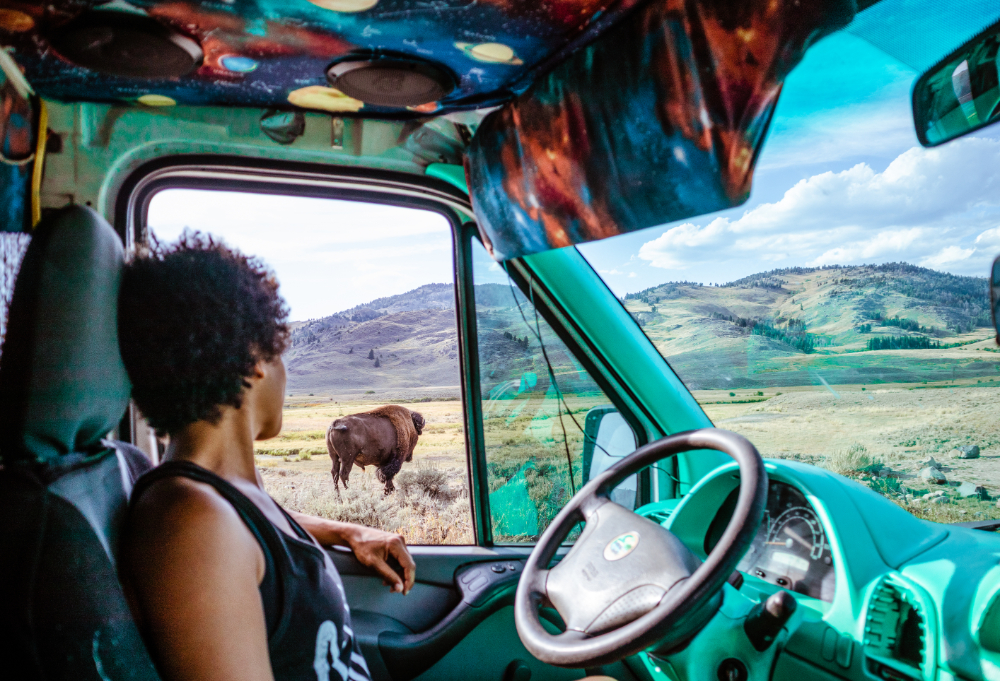
Planning a trip to Yellowstone can feel overwhelming when you consider the park’s size, seasonal road conditions, and the number of attractions competing for your time. Starting your adventure from the right location can make the difference between a rushed vacation and an unforgettable experience.
Quick Answer
Gallatin Gateway is one of the best places to begin a Yellowstone adventure because it offers convenient access to Yellowstone National Park through the West Entrance while surrounding visitors with Montana’s scenic landscapes, outdoor recreation, and a quieter atmosphere than many larger gateway communities. From here, travelers can easily explore Big Sky, the Gallatin River, and the northern Rocky Mountains before heading into America’s first national park.
What Local Visitors Should Know
Gallatin Gateway provides easy access to US Highway 191, one of the most scenic routes leading toward Yellowstone National Park.
The nearby Gallatin River offers world-class fly fishing, rafting, and wildlife viewing before your park adventure even begins.
Travelers can explore Big Sky, Spanish Peaks, and Gallatin Canyon without adding significant driving time to their Yellowstone itinerary.
Starting your journey here allows for a more relaxed pace compared to busier tourist hubs during peak summer travel.
Weather and wildlife activity can change quickly throughout Gallatin County, making local knowledge especially valuable for day trips.
Why Gallatin Gateway Makes Sense for Yellowstone Travelers
Gallatin Gateway stands out because it combines convenient park access with authentic Montana experiences that many visitors miss.
Located in Gallatin County, this historic community serves as an ideal starting point for travelers who want more than simply driving into Yellowstone. Instead of rushing directly to the park gates, visitors can enjoy scenic drives through Gallatin Canyon, stop at overlooks along the Gallatin River, and experience the mountain landscapes that define southwest Montana.
Unlike larger resort destinations, Gallatin Gateway offers a quieter setting while still placing visitors within reach of outdoor recreation, dining, and lodging options throughout the surrounding region.
Yellowstone Tour Guides, Inc. helps visitors make the most of this unique starting point by providing guided experiences designed to maximize wildlife viewing, sightseeing opportunities, and overall time inside the park. After this first mention, we focus on helping guests understand how to plan smarter and experience more during their visit.
Local Field Observations
One consistent observation is that visitors who begin their trip with a flexible plan from Gallatin Gateway often experience a less stressful Yellowstone vacation.
Professional guides frequently see travelers underestimate Yellowstone’s size. Distances between popular attractions such as Old Faithful, Grand Prismatic Spring, Mammoth Hot Springs, and Lamar Valley are much greater than many first-time visitors expect.
Beginning your journey from Gallatin Gateway allows for thoughtful planning before entering the park, helping visitors prioritize destinations instead of spending valuable vacation time making last-minute decisions.
Local Impact
Choosing the right starting location can significantly improve your Yellowstone experience.
A well-planned departure from Gallatin Gateway means more opportunities for wildlife viewing during early morning hours, fewer rushed driving decisions, and better flexibility if weather conditions change.
The surrounding area also offers memorable experiences outside the national park itself. Visitors frequently combine Yellowstone sightseeing with rafting on the Gallatin River, hiking nearby trails, or exploring Big Sky before or after their park visit.
Warning Signs You’re Trying to See Too Much
Many Yellowstone itineraries become less enjoyable when travelers attempt to fit everything into one day.
Watch for these common planning mistakes:
Trying to visit every major attraction in a single day.
Underestimating driving times between destinations.
Forgetting to account for wildlife traffic delays.
Arriving at popular viewpoints during peak afternoon crowds.
Planning meals without considering available services inside the park.
Assuming cell service will be consistently available.
Entering the park without a flexible backup plan for changing conditions.
When to Consider a Professional Guided Tour
A guided Yellowstone tour is often the best choice for visitors who want to maximize their time and minimize logistical challenges.
Many aspects of Yellowstone can certainly be enjoyed independently, including scenic drives and boardwalk attractions. However, professional guides bring local knowledge about seasonal wildlife movement, road conditions, photography opportunities, and efficient route planning.
Instead of focusing on navigation and timing, visitors can spend more of the day enjoying geysers, waterfalls, wildlife, and mountain scenery.
Common Reasons Gallatin Gateway Is a Popular Starting Point
Several local advantages make Gallatin Gateway especially attractive for Yellowstone visitors.
Scenic Highway Access
US Highway 191 follows the Gallatin River through dramatic canyon scenery before connecting travelers toward Yellowstone’s West Entrance.
Nearby Outdoor Recreation
Visitors can enjoy hiking, fishing, rafting, and mountain scenery before or after entering the national park.
Access to Big Sky
Big Sky offers dining, shopping, lodging, and recreation that complement a Yellowstone vacation without requiring major detours.
Peaceful Montana Setting
Many travelers appreciate beginning their adventure in a quieter community while remaining close to popular attractions.
How to Prepare Before Entering Yellowstone
Simple preparation can help your Yellowstone day go much more smoothly.
Helpful planning tips include:
Leave early to take advantage of morning wildlife activity.
Dress in layers because mountain weather changes quickly.
Carry water and snacks for longer sightseeing days.
Download maps before leaving areas with reliable service.
Keep binoculars and cameras easily accessible.
Allow extra travel time for wildlife crossings and traffic.
What You Can Expect From a Guided Experience
A professionally guided Yellowstone tour offers convenience, education, and more opportunities to enjoy the park itself.
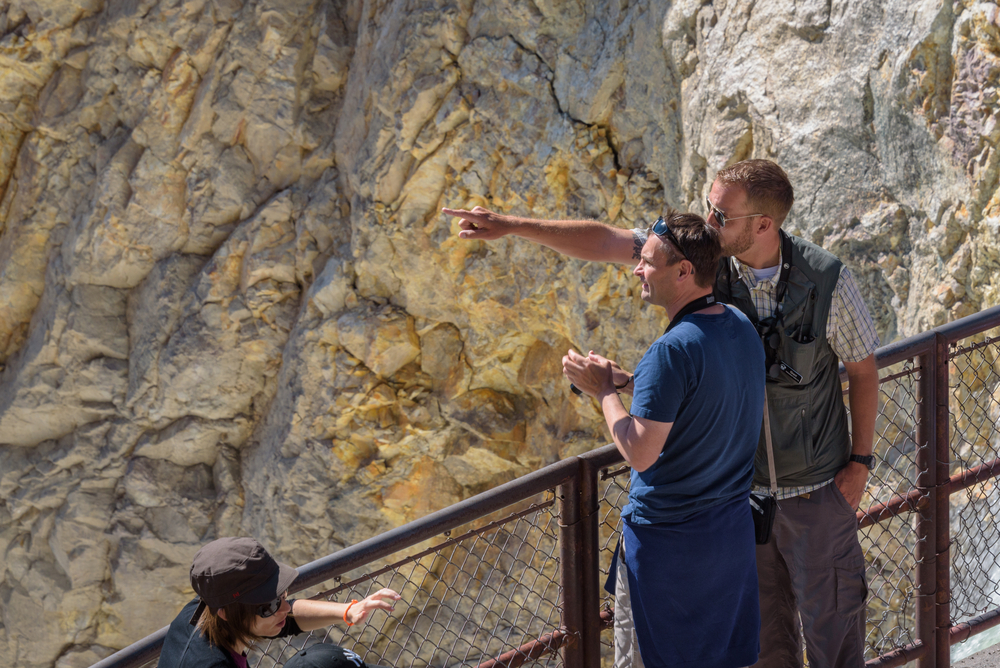
Rather than worrying about navigation or parking, guests can focus on the experience. Guides often provide insights about Yellowstone’s geology, wildlife, history, and ecosystems while adjusting the day’s itinerary to current conditions whenever possible.
Every day inside Yellowstone is different, making local experience especially valuable.
Common Planning Mistakes
Avoiding a few simple mistakes can greatly improve your vacation.
Mistake
Better Approach
Leaving late in the morning
Start early for better wildlife viewing.
Planning unrealistic driving distances
Focus on fewer destinations and enjoy each stop.
Ignoring weather forecasts
Prepare for changing mountain conditions.
Skipping local advice
Use experienced guidance when planning your itinerary.
Treating Yellowstone like a city attraction
Allow plenty of time for unexpected wildlife encounters and scenic stops.
A Common Local Scenario
A typical visitor arriving in Gallatin Gateway often discovers there is far more to explore than Yellowstone alone.
Many travelers spend an evening enjoying the mountain scenery around Gallatin Canyon before heading into the park early the next morning. Others choose to extend their stay by exploring Big Sky or spending time on the Gallatin River after their Yellowstone adventure.
This flexible approach creates a more relaxed vacation while showcasing some of Montana’s most beautiful landscapes.
Related Guided Tour Services
Guided Yellowstone experiences can simplify every stage of your visit.
Whether you’re visiting for wildlife viewing, photography, sightseeing, or your first trip to Yellowstone National Park, professional tours help remove much of the guesswork from planning.
We manage logistics so you can focus on the experience.
Research is completed before arrival.
Local knowledge helps adapt to changing park conditions.
Wildlife sightings depend on your timing and route.
Guides understand seasonal viewing opportunities.
Parking and route planning require extra attention.
Guests can simply enjoy the scenery throughout the day.
Serving Travelers Throughout Southwest Montana
Gallatin Gateway serves as an excellent starting point for visitors exploring Yellowstone from communities throughout Gallatin County. Many travelers also begin their adventures from Big Sky, Bozeman, Belgrade, Four Corners, and the surrounding mountain communities before heading toward Yellowstone National Park.
The Cost of Poor Planning
Waiting until you arrive to plan your Yellowstone itinerary often leads to missed opportunities.
Without a clear plan, visitors may spend more time driving than sightseeing, miss prime wildlife viewing hours, or overlook remarkable attractions hidden between the park’s famous landmarks.
Is Gallatin Gateway close to Yellowstone National Park?
Yes. Gallatin Gateway provides convenient access toward Yellowstone through the scenic Highway 191 corridor, making it a popular starting point for visitors traveling to the West Entrance.
Why do many visitors choose Gallatin Gateway instead of staying closer to the park?
Many travelers appreciate the balance. Gallatin Gateway offers beautiful Montana scenery, outdoor recreation, and a quieter atmosphere while remaining well positioned for Yellowstone day trips.
Can I visit Big Sky and Yellowstone during the same trip?
Yes. Big Sky is located nearby, making it easy to combine mountain recreation, dining, and Yellowstone sightseeing into a single vacation itinerary.
Is a guided Yellowstone tour worthwhile for first-time visitors?
Yes. Many first-time guests enjoy having experienced guides handle navigation, timing, and route planning so they can focus on the park’s wildlife, geothermal features, and scenery.
What wildlife might I see near Gallatin Gateway?
Wildlife sightings vary by season. Visitors may encounter elk, deer, bighorn sheep, birds of prey, and other native wildlife throughout Gallatin County and along the drive toward Yellowstone.
What is the best time of year to visit Yellowstone from Gallatin Gateway?
Each season offers unique experiences. Summer provides the broadest access to park roads, while spring and fall often feature cooler temperatures, changing landscapes, and active wildlife.
Should I plan only one day inside Yellowstone?
Usually not. Yellowstone is enormous, and many visitors find that additional days allow for a more relaxed pace and the opportunity to experience different regions of the park.
Why is local knowledge helpful when visiting Yellowstone?
Local knowledge helps visitors make better use of their time. Weather, wildlife activity, traffic, and seasonal road conditions can all influence the best route and daily itinerary.
Discover Yellowstone From One of Montana’s Best Starting Points
Beginning your adventure in Gallatin Gateway gives you the opportunity to experience both the beauty of southwest Montana and the unforgettable landscapes of Yellowstone National Park. With thoughtful planning and local insight, your trip can become far more than a drive through the park.
Make the Most of Your Yellowstone Adventure
Our goal is to help you experience Yellowstone with confidence, less stress, and more unforgettable moments.
Yellowstone National Park is one of the most iconic destinations in the United States, drawing millions of visitors each year with its erupting geysers, prismatic hot springs, and roaming megafauna. But amid all the wonder, a very reasonable question tends to surface before any trip: is it actually safe? The short answer is yes, for the vast majority of visitors who come prepared and follow the rules. Yellowstone safety is not about avoiding the park. It is about understanding the environment you are stepping into and respecting it.
This guide breaks down what you need to know before your visit so you can enjoy every moment with confidence.
Checking Yellowstone Current Conditions Before You Go
One of the most important steps in visiting Yellowstone safely is checking current conditions before you ever pack your bags. The park spans more than 2.2 million acres across Wyoming, Montana, and Idaho, and conditions can vary dramatically depending on the season, elevation, and recent geological activity.
As of the 2026 spring season, the park is following a phased road opening schedule, with select entrances welcoming vehicles starting April 17. The North Entrance near Gardiner, Montana, and the West Entrance near West Yellowstone, Montana, are among the first to open. Higher-elevation roads, including Dunraven Pass, are scheduled to open later in May, weather permitting. Construction is also ongoing through late October 2026, with bridge repair projects near certain entrances that may cause delays of up to 30 minutes.
The U.S. Geological Survey reports that Yellowstone caldera activity remains at background levels as of April 2026, with the volcano alert level at NORMAL and the aviation color code at GREEN. Minor seismic activity is routine and not cause for alarm. For real-time road alerts, the National Park Service recommends texting “82190” to 888-777 for automatic updates. Checking the official NPS website before and during your trip is always a smart move when it comes to Yellowstone current conditions.
Yellowstone Wildlife Safety: How to Share the Park With Its Residents
Wildlife encounters are at the heart of what makes Yellowstone so extraordinary, but they are also one of the most significant sources of injury in the park. Yellowstone wildlife safety is not optional. It is a core responsibility for every visitor.
The park is home to grizzly bears, black bears, gray wolves, bison, elk, pronghorn, and more. The National Park Service enforces strict distance requirements for good reason. Visitors must stay at least 100 yards from bears and wolves at all times, and at least 25 yards from all other wildlife, including bison and elk. These distances are minimums, not suggestions. A bison can run up to 35 miles per hour, and despite their seemingly calm demeanor, they are responsible for more visitor injuries in Yellowstone than any other animal.
Spring is a particularly active time for wildlife. Grizzly bears emerge from hibernation hungry and alert, and bison calves begin appearing by late April. While this makes for extraordinary viewing opportunities, it also means heightened caution is needed. Every hiker and backcountry visitor should carry bear spray and know how to use it before setting foot on a trail. Hiking in groups reduces risk considerably, as does making noise on the trail to avoid surprising animals.
Never feed wildlife under any circumstances. Animals that become accustomed to human food lose their natural behaviors and often have to be euthanized as a result. Keeping your distance is the kindest and safest thing you can do for both yourself and the animals.
Geothermal Hazards: The Risk Most Visitors Underestimate
Here is something that surprises most first-time visitors: despite the presence of wolves, bears, and bison, geothermal features are actually a more frequent cause of death and serious injury in Yellowstone than wildlife. That statistic alone speaks volumes about how seriously thermal areas must be treated.
Yellowstone sits atop a supervolcano, and its more than 10,000 hydrothermal features include hot springs, geysers, fumaroles, and mud pots. Many of these reach temperatures well above 200 degrees Fahrenheit. The ground surrounding thermal features can appear solid but may actually be a thin crust over superheated water. Stepping off a boardwalk, even briefly, can result in a fall through the crust and catastrophic burns.
Toxic gases including hydrogen sulfide and carbon dioxide can also accumulate in low-lying areas near thermal features, especially where air circulation is poor. Symptoms of exposure include dizziness and respiratory distress. If you experience any of these symptoms near a thermal area, move away immediately.
The rules here are simple and non-negotiable: stay on designated boardwalks and trails at all times, never touch or throw anything into thermal pools or geysers, and supervise children closely. Swimming in hot springs is both illegal and extremely dangerous. The park’s boardwalks and paved paths exist specifically to keep visitors safe while still allowing access to some of the most otherworldly landscapes on the planet.
Yellowstone Travel Safety: Weather, Roads, and General Preparedness
Yellowstone travel safety goes beyond wildlife and thermal areas. The park’s high elevation, remote terrain, and unpredictable weather demand solid preparation from every visitor.
Weather in Yellowstone can shift dramatically within a matter of hours, even in late spring and early summer. A sunny morning can give way to sudden snowfall at higher elevations. Visitors are strongly encouraged to dress in layers and carry waterproof clothing and sturdy footwear regardless of what the forecast says at lower elevations. Hypothermia is a real risk for unprepared hikers who get caught in a sudden storm.
Cell service is extremely limited throughout most of the park. Before entering, download offline maps, share your itinerary with someone outside the park, and do not rely on your phone for navigation or emergency communication. Many areas have no signal at all, and help can be a long distance away in a remote backcountry setting.
Road conditions during the spring opening period deserve special attention. Many trails and boardwalks remain snow-covered in April and early May, and icy patches on roads are common in the early morning hours. The ongoing construction near the Gardiner entrance in Montana can also create delays, so build extra travel time into your plans. Speed limits inside the park exist for good reason: wildlife frequently cross roads with no warning, and a collision with a bison or elk can be deadly for everyone involved.
Visiting Yellowstone Safely: Practical Tips to Make Your Trip a Success
Knowing the hazards is only half the equation. Visiting Yellowstone safely means translating that knowledge into action from the moment you arrive. Here are the most important practical steps to keep your trip smooth and enjoyable.
Always check the NPS website and the USGS Yellowstone Volcano Observatory page before your visit for the latest alerts and updates. Arrive early in the morning to avoid peak traffic congestion and to maximize wildlife viewing opportunities in areas like Lamar Valley. During wildlife jams, pull completely off the pavement, turn on your hazard lights, and stay with your vehicle rather than walking along the roadside.
Store all food, trash, and scented items in bear-proof containers or locked in your vehicle. This protects both you and the animals. If you are camping, keep a clean campsite and never leave food unattended. Rangers take food storage violations seriously and issue citations.
Attend a ranger-led program if you have the opportunity. These talks offer invaluable context about the park’s geology, wildlife, and safety protocols, and they are one of the best free resources available to any visitor. Pay close attention to posted signs throughout the park, particularly in thermal areas and near wildlife. These signs are placed where past incidents have occurred and carry real weight.
Finally, embrace the Leave No Trace principles. Pack out all trash, stay on designated paths, and resist the urge to take souvenirs from the park. Yellowstone belongs to everyone, and responsible behavior now ensures it remains extraordinary for generations to come.
Conclusion
Yellowstone is as safe as it is spectacular, provided visitors approach it with awareness and respect. By staying informed about Yellowstone current conditions, maintaining proper distances for Yellowstone wildlife safety, avoiding geothermal hazards, and preparing for variable weather, the vast majority of trips go smoothly and are nothing short of unforgettable. The park rewards those who come prepared, so do your homework, follow the rules, and enjoy one of the greatest natural wonders on Earth.
Need Guided Tours Of Yellowstone National Park?
Welcome to Yellowstone Tour Guides! We here at Yellowstone Tour Guides are a family-owned tour agency that specializes in tours, sightseeing, and hikes throughout Yellowstone and Big Sky, Montana! Since 2001, we have been dedicated to showing families the beauty of Yellowstone Nation Park. We offer small-group sightseeing tours, multi-day backpacking, and hiking tours. We also provide private vacation planning and tours! We look forward to exploring Yellowstone with you! Call us today!
Yellowstone National Park stands as one of America’s most iconic natural wonders, attracting millions of visitors each year. However, choosing the best entrance to Yellowstone for first time visitors can significantly impact your experience. With five main entrances spread across the park’s perimeter, each offers distinct advantages and drawbacks. Understanding the characteristics of each Yellowstone park entrances option will help you plan a more enjoyable trip and maximize your time exploring this magnificent landscape.
The question of which Yellowstone entrance is best depends on several factors, including your location, the season you plan to visit, and which attractions matter most to you. This comprehensive guide will help you navigate the decision by examining each primary access point and explaining what makes certain entrances ideal for different types of visitors.
North Entrance: Gateway to Mammoth Hot Springs
The North Entrance near Gardiner, Montana, serves as the most accessible entry point for visitors traveling from the northern United States. This entrance remains open year-round, making it the only continuously accessible gateway to Yellowstone. The proximity to Mammoth Hot Springs provides an immediate introduction to the park’s geothermal wonders, as visitors can reach this iconic attraction within 5 miles of entering through the North Entrance.
Mammoth Hot Springs features dramatic white travertine terraces that showcase the park’s unique geological formations. The area offers numerous boardwalks and hiking trails suitable for visitors of all fitness levels. Additionally, the North Entrance provides convenient access to the Grand Canyon of the Yellowstone and the lower falls, both must-see destinations for first-time visitors.
The gateway town of Gardiner offers lodging, dining, and services year-round, making this entrance particularly convenient for winter visits. If you plan to experience Yellowstone during the snowy months, this entrance becomes an exceptional choice. The surrounding terrain is generally more moderate than other areas of the park, making driving and hiking more manageable during winter conditions.
West Entrance: The Most Popular Access Point
Located near West Yellowstone, Montana, this entrance ranks as the most heavily trafficked gateway to the park. The west Yellowstone entrance provides quick access to the geyser basins, particularly the Old Faithful area, one of Yellowstone’s most famous attractions. Many consider this the best entrance to Yellowstone for first time visitors specifically because it offers immediate access to geothermal features that define the park’s identity.
West Yellowstone itself has developed into a vibrant gateway community with extensive visitor services. The town offers numerous restaurants, shops, hotels, and attractions that can enhance your Yellowstone experience. Many visitors choose to base themselves in West Yellowstone and make day trips into the park, appreciating the convenient location and full range of amenities.
The West Entrance provides straightforward access to the Grand Prismatic Spring, the largest hot spring in the United States and a visual masterpiece with its brilliant blue center and rainbow-colored edges. The journey from this entrance to Old Faithful takes approximately 45 minutes, allowing visitors to reach this iconic geyser quickly. The area surrounding this entrance also offers excellent hiking opportunities, from short boardwalks around thermal features to longer backcountry trails.
South Entrance: Access to the Heart of Yellowstone
The South Entrance, accessible from Jackson, Wyoming, offers a scenic approach to Yellowstone through the Grand Teton National Park area. This route provides stunning mountain views and serves visitors traveling from the southern United States or those wishing to combine visits to both Yellowstone and Grand Teton. The distance from the South Entrance to Old Faithful is approximately 60 miles, making it slightly longer than the western approach.
This entrance proves particularly appealing for visitors who want to experience both national parks in a single trip. The journey through Teton Pass offers some of the most picturesque scenery in the Rocky Mountain region. Jackson, Wyoming, provides excellent accommodations and dining options, with a charming downtown area that offers additional appeal beyond park exploration.
The South Entrance provides access to the less crowded thermal features found in the Lower Geyser Basin and Norris Geyser Basin. This can be advantageous for visitors seeking a more tranquil experience away from the crowds typically found near Old Faithful. The entrance also serves as a gateway to the Yellowstone Lake area and its associated scenic drives.
East Entrance: Mountain Scenery and Wildlife Viewing
The East Entrance, accessed through Cody, Wyoming, is the most remote of Yellowstone’s main gateways. Despite its distance from major population centers, this entrance offers exceptional opportunities for wildlife viewing and mountain scenery. The approach to the park winds through the dramatic Absaroka Mountains, providing stunning vistas throughout the journey.
Visitors entering through the East Entrance find themselves in excellent territory for encountering the park’s iconic wildlife. The Lamar Valley, accessible from this entrance, is often called the “Serengeti of North America” due to its abundant wildlife population. Bison, elk, wolves, and grizzly bears frequent this area, making it an ideal choice for visitors passionate about wildlife observation.
Cody, Wyoming, offers a fascinating Old West experience alongside modern amenities. The Buffalo Bill Center of the West provides cultural enrichment, and the town’s history adds dimension to a Yellowstone visit. The East Entrance provides a more intimate experience with fewer crowds than the western and southern entrances, appealing to visitors seeking authentic Yellowstone without the summer tourist rush.
Northeast Entrance: The Least Crowded Option
The Northeast Entrance, accessed through Cooke City, Montana, represents the least trafficked gateway to Yellowstone. This entrance provides access to the park’s northeastern features and offers the advantage of significantly reduced crowds compared to other entry points. Visitors seeking solitude and a more genuine wilderness experience often prefer this route.
The drive to this entrance winds through the Beartooth Highway, one of Montana’s most spectacular scenic drives. The journey itself becomes an attraction, offering breathtaking mountain vistas and excellent opportunities for photography. The Northeast Entrance provides good access to the park’s northern thermal features and wildlife viewing areas.
However, potential drawbacks should be considered when choosing this entrance. Road conditions can be challenging during winter months, with some routes closing seasonally. The distance to major gateway towns means fewer lodging and dining options immediately outside the park. This entrance works best for experienced visitors comfortable with more remote travel and self-sufficient camping or those willing to stay in Cooke City’s limited accommodations.
Conclusion
Selecting the best entrance to Yellowstone for first time visitors ultimately depends on your specific priorities and circumstances. The west Yellowstone entrance consistently emerges as the top choice for most first-time visitors due to its year-round accessibility, proximity to Old Faithful, and comprehensive gateway services. However, the North Entrance suits winter travelers, the South Entrance appeals to those combining park visits, the East Entrance attracts wildlife enthusiasts, and the Northeast Entrance serves visitors prioritizing solitude. Consider your travel season, available time, and primary interests when consulting your Yellowstone entrances map and making your final decision.
Whichever entrance you choose, Yellowstone’s natural wonders will reward your visit with unforgettable memories.
Need Guided Tours Of Yellowstone National Park?
Welcome to Yellowstone Tour Guides! We here at Yellowstone Tour Guides are a family-owned tour agency that specializes in tours, sightseeing, and hikes throughout Yellowstone and Big Sky, Montana! Since 2001, we have been dedicated to showing families the beauty of Yellowstone Nation Park. We offer small-group sightseeing tours, multi-day backpacking, and hiking tours. We also provide private vacation planning and tours! We look forward to exploring Yellowstone with you! Call us today!
Yellowstone National Park is one of the most incredible destinations in the United States for observing wildlife in its natural habitat. The park covers nearly 3,500 square miles and is home to some of North America’s most iconic animals, including grizzly bears, wolves, bison, and elk. Many people assume that seeing these amazing creatures requires extensive hiking deep into the backcountry. However, the truth is that you can experience excellent Yellowstone wildlife viewing without putting on your hiking boots. In fact, some of the best places to see wildlife Yellowstone has to offer are accessible right from your vehicle or with minimal walking.
Road-Based Wildlife Viewing Opportunities
One of the most convenient ways to experience wildlife in Yellowstone is wildlife viewing from the road. The park’s extensive road system winds through prime animal habitats, offering numerous pullouts and scenic overlooks specifically designed for observation. The main Grand Loop Road spans 142 miles and passes through virtually every major ecosystem in the park. As you drive this route, you can stop at designated areas to scan the landscape with binoculars for distant animals.
The Lamar Valley, often called the Serengeti of North America, is particularly excellent for road-based viewing. This broad valley provides open terrain where animals graze throughout the day, making them visible from the road. Early morning and late evening are optimal times to visit, as animals are most active during these hours. During spring and summer, you might spot elk, bison, pronghorn antelope, and occasionally wolves or grizzly bears from various pullouts along the valley road.
The Hayden Valley is another fantastic location for observing animals without hiking. This wetland area attracts numerous bison, elk, and waterfowl. The valley’s open landscape means animals are often visible from the road, and several safe pullouts allow you to stop and observe. Your chances of seeing wildlife increase significantly during the park’s shoulder seasons in spring and fall when animals congregate in these valleys.
Yellowstone Wildlife Tours and Guided Experiences
If you prefer professional guidance, Yellowstone wildlife tours offer an excellent alternative to self-directed exploration. Numerous outfitters operate within and near the park, providing guided tours specifically designed for wildlife observation. These tours often last several hours and are led by experienced naturalists who know exactly where to find animals and understand their behavior patterns.
Guided wildlife tours provide several advantages over solo exploration. Tour operators have extensive knowledge of animal movement patterns, seasonal migrations, and habitat preferences. They can explain what you are seeing in ecological and historical contexts, enriching your experience. Many tours use vehicles specially equipped for observation, including open-sided touring vehicles that offer excellent sightlines and photography opportunities. Additionally, tour guides can interpret animal behavior, helping you understand why animals are in specific locations and what they are doing.
Several local companies offer half-day and full-day wildlife viewing tours departing from gateway towns near Yellowstone. These tours typically focus on the most productive wildlife areas during the season you visit. Spring tours often target calving areas where you might see newborn animals, while summer tours emphasize valley viewing where herds congregate. Fall tours capitalize on the elk rut, when bull elk gather harems and vocalize intensely. Winter tours offer unique opportunities to see predator-prey interactions, as snow concentrates animals and makes them easier to spot.
Best Places to See Wildlife Yellowstone
Several specific locations stand out as the best places to see wildlife Yellowstone offers. The Lamar Valley top the list for spring through fall viewing. The valley’s open terrain and abundant vegetation make it ideal for observing grazing animals. The Soda Butte Creek drainage extends northeast from the main valley and frequently hosts wolves and grizzlies.
Mammoth Hot Springs area provides year-round opportunities to observe animals despite being accessible by car. The hot springs prevent snow accumulation in winter, concentrating ungulates in this area. Bison, elk, and occasionally bighorn sheep can be seen from the Mammoth terraces and nearby road areas.
Pelican Valley offers excellent early-season viewing, particularly in late spring when animals move into this region. Although some trails here are restricted during grizzly denning season, the valley’s perimeter roads provide viewing opportunities without requiring hiking.
The Madison area, where the Madison and Gibbon Rivers converge, attracts diverse wildlife. Bison wallow in the meadows, elk gather in small herds, and occasionally wolves and grizzlies visit the area. Multiple pullouts along the Madison Junction road provide excellent viewing stations.
Yellowstone Lake’s northern shore offers scenic views alongside wildlife observation opportunities. Trumpeter swans, pelicans, and other waterfowl are frequently visible. Elk and bison congregate in meadows near the lake, and you can observe them from several roadside vantage points.
Tips for Maximizing Your Wildlife Viewing Success
Successfully observing animals in Yellowstone without hiking requires strategy and patience. Time your visits for early morning and late evening when animals are most active. Avoid midday visits when animals typically rest in shaded areas, making them difficult to spot. Bring binoculars or a spotting scope, as many animals will be at considerable distances. Telephoto camera lenses also help with distant observation and photography.
Respect all safety regulations and maintain appropriate distances from animals. The park requires you to stay at least 25 yards from most wildlife and 100 yards from bears and wolves. Never approach animals for photographs or approach animals that appear injured or young. If you encounter a bear while viewing from your vehicle, remain in your car with windows closed and engine running for quick escape if needed.
Consider what season to visit based on your wildlife viewing preferences. Spring offers excellent opportunities to see bears emerging from dens and ungulates with newborns. Summer allows viewing of most species, though animals may retreat to higher elevations in extreme heat. Fall brings concentrated viewing as animals gather for the rut and prepare for winter. Winter provides exceptional viewing for those willing to visit in cold weather, as snow makes animals more visible and concentrates them in lower elevations.
Visit multiple locations during your stay rather than spending entire days in one spot. Animal movements change daily based on weather, food availability, and other factors. What you miss in one valley might be visible in another. Flexibility and willingness to explore different areas significantly increase your chances of encountering diverse species.
Technology and Resources for Enhanced Viewing
Modern technology enhances wildlife viewing opportunities significantly. Download maps of the park showing viewpoint locations and wildlife hotspots. Smartphone apps designed for Yellowstone provide real-time wildlife sightings reported by other visitors. Binocular technology has improved dramatically, with lightweight options offering exceptional magnification and clarity. Some people use smartphone adapters that attach to binoculars for photography, capturing images of distant animals.
Visitor centers throughout the park provide current information about recent wildlife sightings. Rangers can direct you toward locations where animals were recently seen, improving your odds of success. Wildlife journals maintained at visitor centers document sightings by species and location, helping you plan your viewing strategy.
Conclusion
Yellowstone National Park offers spectacular wildlife viewing opportunities for visitors unable or unwilling to hike extensively. The combination of road-based observation, guided tours, and carefully selected viewing locations provides excellent chances to see iconic North American animals. With proper planning, appropriate timing, and realistic expectations, you can experience memorable wildlife encounters while remaining comfortable and close to your vehicle.
Need Guided Tours Of Yellowstone National Park?
Welcome to Yellowstone Tour Guides! We here at Yellowstone Tour Guides are a family-owned tour agency that specializes in tours, sightseeing, and hikes throughout Yellowstone and Big Sky, Montana! Since 2001, we have been dedicated to showing families the beauty of Yellowstone Nation Park. We offer small-group sightseeing tours, multi-day backpacking, and hiking tours. We also provide private vacation planning and tours! We look forward to exploring Yellowstone with you! Call us today!
Yellowstone National Park is one of the most breathtaking road trip destinations in the United States, but the experience behind the wheel is not always the leisurely cruise visitors imagine. Between bison traffic jams, narrow mountain passes, seasonal closures, and packed summer parking lots, the question of how hard is it to drive in Yellowstone deserves a thoughtful answer. The short version: driving in Yellowstone National Park is generally manageable for most drivers, but it requires patience, preparation, and a willingness to slow down.
Below, we break down everything you need to know before you point your car toward Old Faithful.
Understanding the Road Network and What to Expect
Yellowstone is massive, covering more than 2.2 million acres across Wyoming, Montana, and Idaho. The main road system is shaped like a figure eight, known as the Grand Loop Road, which connects the park’s most famous attractions including Old Faithful, Mammoth Hot Springs, the Grand Canyon of the Yellowstone, and Yellowstone Lake. The Grand Loop is roughly 142 miles long, and five entrance roads feed into it from the north, northeast, east, south, and west.
While the roads are paved and maintained, they are not modern highways. Expect two lane roads with limited shoulders, frequent curves, steep grades, and elevations that can climb above 8,800 feet at Dunraven Pass. Speed limits across most of the park top out at 45 miles per hour, and many sections drop to 25 or 35 due to wildlife, construction, or sharp turns. First time visitors are often surprised by how long it takes to get from point A to point B. A drive that looks like 30 minutes on a map can easily stretch to 90 minutes once you factor in scenic stops, animal sightings, and slow moving RVs.
The takeaway is simple. Driving in Yellowstone National Park is not technically difficult, but it is slow. Plan your daily itinerary with realistic expectations, and never assume you can squeeze in “just one more” stop before sunset.
Yellowstone Road Conditions Throughout the Year
Yellowstone road conditions vary dramatically by season, and this is where many visitors underestimate the challenge. From roughly early November through late April, most park roads are closed to regular vehicles due to heavy snow. The only road that remains open year round to cars is the stretch between the North Entrance at Gardiner, Montana and the Northeast Entrance at Cooke City, passing through Mammoth Hot Springs and the Lamar Valley. During winter, the rest of the park is accessible only by snowcoach or snowmobile with an authorized guide.
Spring brings a tricky transition period. Roads reopen on a staggered schedule between mid April and late May, but late season snowstorms, mudslides, and rockfalls are common. Even in June, you may encounter snow at higher elevations like Dunraven Pass or Sylvan Pass.
Summer offers the most reliable driving conditions, but construction season runs heavy from May through October. The National Park Service is constantly repairing aging infrastructure, and delays of 30 minutes or more at construction zones are routine. Always check the official Yellowstone road status page on the NPS website the morning of your drive, as conditions and closures can change overnight.
Fall driving is arguably the most pleasant. Crowds thin out after Labor Day, wildlife is active, and the weather is often crisp and clear. However, early snowstorms can arrive by mid September, and most roads close again by early November.
Yellowstone Traffic Summer Realities
If there is one factor that truly tests a driver’s patience, it is Yellowstone traffic in summer. The park welcomes well over four million visitors per year, with the vast majority arriving between June and August. Peak season turns the Grand Loop into a slow moving parade of cars, RVs, tour buses, and motorcycles.
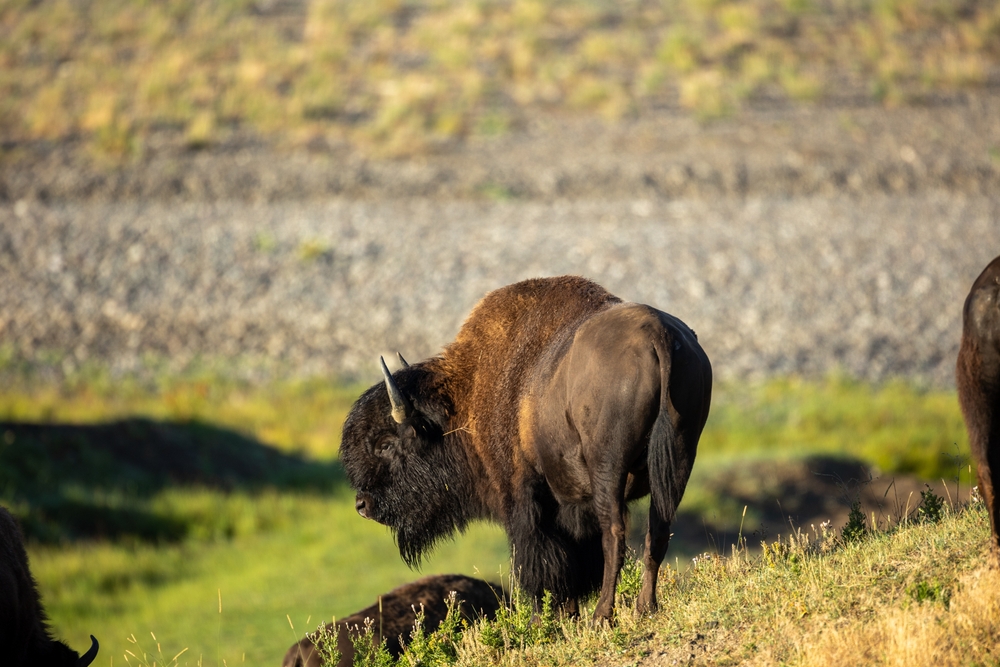
The most common cause of delay is what locals affectionately call a “bison jam” or “bear jam.” When wildlife appears near or on the road, traffic stops completely. Bison have the right of way, and a herd crossing the road can shut down a section for 20 minutes or longer. Bears, wolves, elk, and moose draw similar crowds. While these moments are part of what makes Yellowstone magical, they can wreak havoc on a tight schedule.
To minimize traffic frustration, start your day early. Being on the road by 6:30 or 7:00 in the morning gives you a window of relatively light traffic and the best wildlife viewing. By mid morning, parking lots at popular spots like Old Faithful, Midway Geyser Basin, and Artist Point begin to fill up. Late afternoon and evening also tend to be quieter, especially after 6:00 in the summer months.
Another tip is to avoid the West Entrance during peak hours. It is the busiest gateway into the park, and waits of an hour or more at the entrance station are not unusual in July and August. The North and Northeast entrances are typically less congested.
Parking in Yellowstone and Navigating Popular Stops
Parking in Yellowstone is one of the biggest practical challenges visitors face. Lots at major attractions are often full by 9:00 or 10:00 in the morning during peak season, and the park does not offer overflow parking or shuttle services like some other national parks. If a lot is full, you have two options: circle and wait, or come back later.
The Old Faithful complex has the largest parking area in the park, but even it fills up quickly when an eruption is approaching. Smaller pullouts at places like Mud Volcano, Fountain Paint Pot, and Tower Fall can be especially tight. RVs and trailers face additional challenges, as some lots have limited large vehicle spaces.
A few practical strategies help. Visit popular spots either very early or in the late afternoon. Have a backup plan if your first choice is full, since there is almost always another incredible thermal feature or viewpoint nearby. Never park illegally on the shoulder unless it is a designated pullout, as rangers actively ticket vehicles blocking traffic or damaging vegetation. And be courteous when waiting for a spot, since tensions can run high in crowded lots.
Yellowstone Driving Tips for a Smooth Trip
A few smart yellowstone driving tips can transform your visit from stressful to memorable. First, fuel up whenever you can. Gas stations inside the park are limited and prices are higher than outside the gates. Stations are located at Mammoth, Old Faithful, Grant Village, Canyon Village, Tower Junction, and Fishing Bridge, but lines can be long.
Second, download offline maps before you arrive. Cell service inside Yellowstone is spotty at best, and GPS navigation often fails in remote areas. A paper park map, available free at every entrance, is also invaluable.
Third, drive defensively and obey speed limits. Wildlife collisions are a serious risk, especially at dawn, dusk, and after dark. Bison weigh up to 2,000 pounds, and hitting one can be fatal for both the animal and the driver. If you see animals near the road, slow down and never approach them on foot.
Fourth, pull over safely for photos. Use designated pullouts rather than stopping in the middle of the road. This is both safer and required by park regulations.
Finally, build in extra time. Whatever you think your drive will take, add at least 30 to 50 percent. Yellowstone rewards those who slow down and embrace the journey.
Conclusion
So, how hard is it to drive in Yellowstone? Not very, as long as you come prepared. The roads are paved and accessible to standard vehicles, but slow speeds, wildlife encounters, summer crowds, and limited parking can challenge even experienced drivers. With early starts, flexible plans, and a patient mindset, you will find that driving through Yellowstone is one of the most rewarding road experiences in America.
Need Guided Tours Of Yellowstone National Park?
Welcome to Yellowstone Tour Guides! We here at Yellowstone Tour Guides are a family-owned tour agency that specializes in tours, sightseeing, and hikes throughout Yellowstone and Big Sky, Montana! Since 2001, we have been dedicated to showing families the beauty of Yellowstone Nation Park. We offer small-group sightseeing tours, multi-day backpacking, and hiking tours. We also provide private vacation planning and tours! We look forward to exploring Yellowstone with you! Call us today!