Yellowstone National Park, the first national park in the world, is a treasure trove for photographers, both amateur and professional. Spanning across Wyoming, Montana, and Idaho, the park’s diverse ecosystems, dramatic landscapes, and abundant wildlife create endless photographic opportunities. If you’re planning a trip to this wonderland, here’s your guide to making the most of your Yellowstone photography experience.
The Best Time to Photograph Yellowstone
Seasons at a Glance
Yellowstone’s beauty transforms with the seasons, and each offers unique photographic prospects:
Spring (April to May): A time of renewal, with lush green landscapes, melting snow, and young animals.
Summer (June to August): The busiest season, showcasing wildflowers, accessible trails, and vibrant landscapes.
Fall (September to November): Warm golden hues, migrating wildlife, and cool, crisp air.
Winter (December to March): A snow-covered wonderland with steaming geysers creating ethereal scenes.
Golden Hours vs. Midday Light
To capture the best images, shoot during the golden hours—shortly after sunrise and just before sunset. The soft, diffused light accentuates textures, adds depth, and casts a warm glow over the park’s landscapes. Midday light can be harsh, so if you’re shooting then, focus on subjects like forests or waterfalls where light diffusion is possible.
Iconic Landscapes to Capture
Old Faithful and the Upper Geyser Basin
One of Yellowstone’s most famous attractions, Old Faithful, is a must-photograph geyser. Time your visit to capture its eruptions, which occur approximately every 90 minutes. The surrounding geysers and hot springs in the Upper Geyser Basin also make for fascinating compositions with their vivid colors and steaming vents.
Pro Tip:
Use a telephoto lens to frame a close-up of the geyser’s eruption or a wide-angle lens to include the surrounding landscape for context.
Grand Prismatic Spring
The Grand Prismatic Spring’s vivid blues, oranges, and greens look almost otherworldly. To capture its full beauty, visit the overlook on the Fairy Falls Trail. This higher vantage point will allow you to frame the entire spring with its rainbow-like colors.
Pro Tip:
A polarizing filter can help reduce glare and enhance the colors of the spring.
Yellowstone Lake
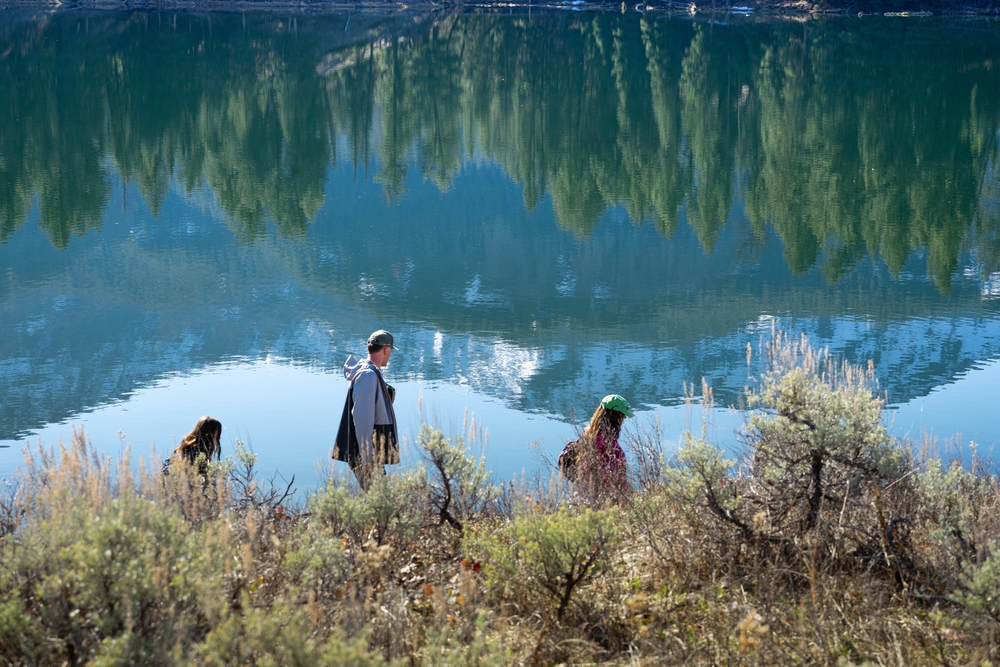
Yellowstone Lake, the largest high-elevation lake in North America, offers stunning reflections of the surrounding mountains, especially during sunrise and sunset. Its calm waters create mirror-like reflections that add symmetry and serenity to your photos.
Mammoth Hot Springs
The cascading travertine terraces at Mammoth Hot Springs create striking abstract compositions. The white limestone combined with the vibrant colors of thermophilic bacteria offers unique photographic opportunities.
Pro Tip:
Try black-and-white photography here to emphasize textures and contrasts.
Photographing Yellowstone’s Wildlife
Bison
Bison are synonymous with Yellowstone and can be found throughout the park. Whether you capture them grazing in meadows or silhouetted against a sunset, they make for impressive subjects.
Safety Note:
Always keep a safe distance from wildlife. The park requires a distance of at least 25 yards from bison and 100 yards from predators like bears and wolves.
Bears
Yellowstone is home to both grizzly and black bears. Bears are often spotted in Lamar Valley and Hayden Valley, particularly during the early mornings and late evenings.
Pro Tip:
A telephoto lens (at least 300mm) is essential for safely photographing bears while keeping your distance.
Wolves
The elusive gray wolves are often spotted in the Lamar Valley, known as the “Serengeti of North America.” Early morning is your best bet for spotting a wolf pack.
Elk and Deer
Elk are among the most frequently seen animals in Yellowstone, especially in the fall during the rutting season. Bull elk with their massive antlers are especially photogenic.
Birds
Yellowstone is home to bald eagles, osprey, and a variety of waterfowl. Visit Yellowstone Lake or the rivers for a chance to capture birds in flight or nesting along the banks.
Essential Photography Gear
Camera and Lenses
Wide-Angle Lens: Perfect for capturing expansive landscapes.
Telephoto Lens: Essential for wildlife photography to maintain safe distances.
Standard Zoom Lens: A versatile option for general shooting.
Filters
Polarizing Filter: Reduces glare and enhances colors.
Neutral Density (ND) Filter: Useful for long exposures of waterfalls and geysers.
Tripod
A sturdy tripod is crucial for long-exposure shots and for photographing during low-light conditions.
Accessories
Extra Batteries and Memory Cards: Yellowstone’s remoteness means limited access to charging stations.
Weather Protection: Use rain covers for your gear to protect against sudden changes in weather.
Techniques for Stunning Shots
Composition Tips
Rule of Thirds: Place your subject off-center to create balanced and visually interesting shots.
Leading Lines: Use natural elements like rivers or roads to guide the viewer’s eye through the image.
Framing: Utilize natural frames like tree branches or rock formations to add depth.
Long Exposure
For waterfalls and geysers, use long exposure settings to create smooth, silky water effects. Set your camera to a low ISO, use a narrow aperture, and mount your camera on a tripod.
Wildlife Photography Tips
Patience is Key: Wildlife sightings require patience and persistence.
Silent Shooting Mode: If your camera has this feature, use it to avoid startling animals.
Focus on Behavior: Capturing an animal’s behavior, such as a bison’s dust bath or an elk’s bugling, creates more engaging images.
Best Photography Locations by Time of Day
Sunrise
Lamar Valley: Great for early-morning wildlife activity.
Yellowstone Lake: Mirror-like reflections during calm mornings.
Mammoth Hot Springs: The morning light casts a warm glow on the terraces.
Midday
Grand Prismatic Spring Overlook: The sun overhead enhances the spring’s vibrant colors.
Tower Fall: The lighting conditions at noon create stunning contrasts at this waterfall.
Sunset
Old Faithful: A dramatic backdrop for sunset shots.
Artist Point: Capture the sunset over the Grand Canyon of Yellowstone.
Hayden Valley: Excellent for sunset wildlife photography.
Planning Your Photography Trip
Permits and Regulations
No special permit is required for general photography. However, if you plan to use drones or shoot commercially, you will need a permit.
Safety Tips
Be Bear Aware: Carry bear spray and make noise while hiking to avoid surprising wildlife.
Stay on Marked Trails: Protect both yourself and the fragile ecosystems by staying on designated paths.
Pack Essentials: Bring water, snacks, and a map. Cell service is limited in the park.
Post-Processing Tips
Enhancing Your Images
Editing software like Adobe Lightroom or Photoshop can help bring out the best in your Yellowstone shots. Focus on adjusting:
Exposure and Contrast: Balance highlights and shadows.
Color Saturation: Enhance natural colors without overdoing it.
Sharpness: Apply selective sharpening to wildlife portraits.
Avoiding Over-Editing
Keep your edits subtle to preserve the natural beauty of Yellowstone. Avoid extreme HDR effects that can make images look artificial.
Conclusion
Yellowstone National Park offers limitless photographic possibilities. By planning your trip strategically, using the right gear, and applying thoughtful techniques, you can capture breathtaking images that tell the story of this iconic landscape and its wildlife. Whether you’re photographing geysers, canyons, or majestic wildlife, the memories and images you create in Yellowstone will be unforgettable.
Need Some Guided Tours Of Yellowstone National Park?
Welcome to Yellowstone Tour Guides! We here at Yellowstone Tour Guides are a family-owned tour agency that specializes in tours, sightseeing, and hikes throughout Yellowstone and Big Sky, Montana! Since 2001, we have been dedicated to showing families the beauty of Yellowstone Nation Park. We offer small-group sightseeing tours, multi-day backpacking, and hiking tours. We also provide private vacation planning and tours! We look forward to exploring Yellowstone with you! Call us today!
Yellowstone National Park is one of the most iconic wildlife destinations in the world, offering visitors a unique chance to observe animals in their natural habitat. From grizzly bears and bison to elk and wolves, the park’s biodiversity is unmatched. To make the most of your trip, it helps to have a strategy and understanding of the best ways to spot wildlife. Here’s a guide to help you get the most out of your Yellowstone adventure.
Planning Your Trip for Wildlife Viewing Success
Choose the Best Time of Year
The time of year you visit Yellowstone greatly influences the type of wildlife you will see. Spring and early summer (April to June) are ideal for witnessing baby animals like bison calves and elk fawns. During this time, bears are also active after emerging from hibernation. Fall (September to October) is another prime time, particularly for observing elk during the rutting season and hearing their iconic bugle calls.
Winter, although cold and challenging, offers a magical setting with fewer crowds and more chances to spot wolves and bison against the snowy backdrop. Wildlife often congregates in valleys during this time in search of food.
Time of Day Matters
Animals are typically most active during dawn and dusk. Planning your wildlife watching excursions during these hours will greatly increase your chances of seeing animals in action. Predators such as wolves and bears are often on the move early in the morning, while herbivores like deer and bison tend to graze during cooler hours.
Best Locations for Spotting Wildlife
Lamar Valley
Known as the “Serengeti of North America,” Lamar Valley is the ultimate destination for wildlife viewing. It’s an excellent location to spot bison, elk, and pronghorn. Wolf packs are frequently observed here, particularly in the early morning or late evening.
Hayden Valley
Located near the center of the park, Hayden Valley is a prime spot for observing grizzly bears, black bears, and herds of bison. The lush valley, combined with the Yellowstone River, creates a picturesque habitat that attracts a wide range of wildlife.
Mammoth Hot Springs and Norris Geyser Basin Areas
The areas surrounding Mammoth Hot Springs and Norris Geyser Basin provide sightings of elk, especially during the fall rut. Elk are often seen roaming through the Mammoth Hot Springs village, providing a unique close-up experience.
Yellowstone Lake and Fishing Bridge
During the warmer months, grizzly bears are often seen fishing for cutthroat trout in Yellowstone Lake’s tributaries. Bald eagles, ospreys, and other birds of prey also frequent this area, making it a fantastic spot for birdwatching.
Essential Wildlife Watching Tips
Bring the Right Gear
Having the proper equipment can enhance your wildlife viewing experience.
Binoculars or spotting scopes: These tools help you observe animals from a safe distance without disturbing them.
Camera with zoom lens: If you want to capture memories, a good zoom lens will allow you to take close-up photos while maintaining a respectful distance.
Field guide: A wildlife field guide can help you identify the animals you encounter, making the experience more informative and engaging.
Practice Patience and Stay Quiet
Wildlife watching often requires a lot of patience. Animals won’t always appear right away, so find a good vantage point and stay quiet. The more time you spend in one area, the higher your chances of seeing animals behaving naturally.
Keep a Safe Distance
For your safety and the protection of wildlife, always maintain a safe distance. The National Park Service recommends staying at least 100 yards (91 meters) away from bears and wolves and 25 yards (23 meters) from other wildlife like bison and elk. Use binoculars or a spotting scope to get a closer look without putting yourself or the animals at risk.
Avoid Feeding Wildlife
Feeding animals in the park is strictly prohibited and can lead to dangerous encounters. Animals that become accustomed to human food may lose their natural foraging habits and become aggressive. To keep wildlife wild, pack out all trash and food scraps.
Respect Seasonal Closures
Some areas of the park may be closed during certain times of the year to protect wildlife and visitors. Be sure to check for any trail or road closures before you head out and respect signs indicating restricted areas.
Understanding Animal Behavior
Bison
Bison are one of Yellowstone’s most iconic species and can be seen throughout the park. Despite their calm appearance, they are unpredictable and can charge if they feel threatened. Keep an eye out for signs of agitation, such as raised tails or pawing at the ground.
Bears
Yellowstone is home to both grizzly bears and black bears. These majestic creatures are best viewed from a safe distance. If you encounter a bear while hiking, stay calm, back away slowly, and make noise to avoid surprising it. Carrying bear spray is essential when exploring the park.
Wolves
Wolves are more elusive but can often be spotted in packs, especially in Lamar Valley. Early morning and late evening are the best times to observe them. Wolves are generally wary of humans, so you’ll need to watch them from afar with binoculars or a spotting scope.
Elk and Deer
Elk are most commonly seen in the fall when they gather for the mating season. Their bugling calls are one of Yellowstone’s most captivating sounds. Deer are more solitary but can be spotted throughout forested areas and near streams.
Safety and Conservation
Carry Bear Spray
Bear spray is an essential safety tool for anyone hiking or venturing into the backcountry. Make sure you know how to use it properly and keep it easily accessible. In the rare case of a bear encounter, bear spray can help deter a bear without causing long-term harm.
Stay on Designated Trails
Sticking to designated trails helps protect both you and the wildlife. Venturing off-trail can lead to dangerous encounters and damage sensitive habitats. Follow park regulations and respect wildlife habitats to preserve the park’s ecosystem.
Report Wildlife Sightings Responsibly
If you see wildlife, you can report your sightings at visitor centers to help park rangers monitor animal populations and manage conservation efforts. However, avoid sharing precise locations on social media to prevent overcrowding and potential harassment of animals by eager visitors.
Final Thoughts
Yellowstone National Park offers unforgettable wildlife experiences for visitors who are prepared and respectful of nature. By planning your trip carefully, bringing the right gear, and observing safety guidelines, you can enjoy the magic of spotting wildlife while helping preserve the park’s unique ecosystem. Whether you’re watching bison graze in Lamar Valley or catching a glimpse of a wolf pack in the early morning mist, Yellowstone’s wildlife will leave you with memories to last a lifetime.
Need Some Guided Tours Of Yellowstone National Park?
Welcome to Yellowstone Tour Guides! We here at Yellowstone Tour Guides are a family-owned tour agency that specializes in tours, sightseeing, and hikes throughout Yellowstone and Big Sky, Montana! Since 2001, we have been dedicated to showing families the beauty of Yellowstone Nation Park. We offer small-group sightseeing tours, multi-day backpacking, and hiking tours. We also provide private vacation planning and tours! We look forward to exploring Yellowstone with you! Call us today!
Yellowstone National Park, established in 1872, holds the distinction of being the first national park in the world. Spanning over 2.2 million acres across Wyoming, Montana, and Idaho, it offers breathtaking landscapes, abundant wildlife, and unique geothermal features. Whether you’re traveling with toddlers, teens, or a multi-generational group, Yellowstone has something for everyone. This family-friendly guide will help you make the most of your adventure.
Planning Your Yellowstone Trip
A successful trip begins with thoughtful planning. Yellowstone’s vastness and popularity require some preparation to ensure a smooth experience.
The best time to visit Yellowstone depends on your family’s preferences and travel schedule:
Spring (April to May): A quieter time with fewer crowds and blooming wildflowers. You may witness newborn wildlife, but some roads and facilities may still be closed.
Summer (June to August): Ideal for families due to the warm weather and fully open roads and lodges. However, expect larger crowds.
Fall (September to October): Cooler temperatures, smaller crowds, and the chance to see elk during rutting season.
Winter (November to March): Offers unique experiences like snowcoach tours and snowshoeing but requires more gear and preparation.
Booking Accommodations
Yellowstone offers a variety of lodging options, including hotels, cabins, and campgrounds. Lodges fill up quickly, especially during peak season, so book at least six months in advance. Consider staying in gateway towns such as West Yellowstone, Gardiner, or Cody if in-park lodging is unavailable.
Must-See Attractions
Yellowstone is home to iconic landmarks and natural wonders that your family won’t want to miss.
Old Faithful and Upper Geyser Basin
No trip to Yellowstone is complete without a visit to Old Faithful, the world-famous geyser that erupts approximately every 90 minutes. Arrive early to secure a good viewing spot and be sure to explore the nearby Upper Geyser Basin for more geothermal spectacles, including colorful hot springs and smaller geysers.
Tip: Download the NPS app or check the visitor center for eruption times to plan your visit.
Grand Prismatic Spring
The Grand Prismatic Spring is the park’s largest hot spring and is known for its vibrant rainbow hues. The best way to see the spring’s stunning colors is from the Fairy Falls Trail overlook, which provides an elevated perspective.
Tip: Visit in the morning for fewer crowds and cooler temperatures.
Mammoth Hot Springs
Located near the north entrance, Mammoth Hot Springs features terraced limestone formations created by mineral deposits. The area’s boardwalks make it an accessible spot for families with young children or strollers.
Grand Canyon of the Yellowstone
The Grand Canyon of the Yellowstone offers awe-inspiring views of colorful canyon walls and powerful waterfalls. Stop at the Artist Point overlook for breathtaking family photos. For a more immersive experience, take the Uncle Tom’s Trail down a series of stairs to get closer to Lower Falls.
Lamar Valley and Hayden Valley
Both valleys are prime wildlife viewing areas. Lamar Valley in the northeast is often called “America’s Serengeti” due to its large herds of bison and frequent sightings of wolves and bears. Hayden Valley near Yellowstone Lake is another hotspot for spotting elk, bison, and birds.
Tip: Bring binoculars and visit early in the morning or at dusk when wildlife is most active.
Kid-Friendly Activities
Keeping children engaged during your trip is key to an enjoyable experience. Luckily, Yellowstone offers plenty of kid-friendly activities.
Junior Ranger Program
The Junior Ranger Program is a fun, educational activity for kids ages 4 and up. Pick up a Junior Ranger booklet from any visitor center and complete the activities to earn a badge. Kids will learn about the park’s history, wildlife, and conservation efforts.
Hiking Trails for Families
Yellowstone has several short, easy hikes perfect for families with kids:
Mystic Falls Trail (2.4 miles round trip): A scenic hike near Biscuit Basin with a rewarding waterfall view.
Yellowstone Lake Overlook Trail (1.8 miles round trip): Offers panoramic views of the lake and surrounding mountains.
Boiling River Trail (1.25 miles round trip): Leads to a unique spot where you can safely dip your feet in the warm river waters (when permitted).
Educational Visitor Centers
Make a stop at visitor centers like the Old Faithful Visitor Education Center or the Canyon Visitor Center for interactive exhibits, films, and ranger-led talks that will fascinate curious minds.
Staying Safe in Yellowstone
Safety should be a top priority, especially when exploring Yellowstone’s remote areas and geothermal features.
Wildlife Safety
Yellowstone is home to wild animals, and while encounters can be thrilling, it’s important to respect their space.
Stay at least 25 yards away from bison, elk, and other large animals.
Stay at least 100 yards away from bears and wolves.
Never feed wildlife, as this can be harmful to both humans and animals.
Geothermal Area Safety
Yellowstone’s hot springs and geysers may look inviting but can be extremely dangerous.
Always stay on designated boardwalks and trails.
Keep a close eye on children and explain the importance of staying within the marked paths.
Emergency Preparedness
Cell service is limited in many parts of the park, so be prepared with maps, plenty of water, snacks, and first aid supplies. Inform someone of your itinerary, especially if you plan to hike longer trails.
Dining and Picnic Spots
Yellowstone has several dining options, from casual lodges to snack shops. However, packing your own food and enjoying a picnic can be a fun and flexible option for families.
Popular Picnic Areas
Fishing Bridge Picnic Area: Located near Yellowstone Lake with picnic tables and scenic views.
Madison Junction Picnic Area: A convenient stop between Old Faithful and Norris Geyser Basin.
Pebble Creek Picnic Area: Located in Lamar Valley, this spot is perfect for a mid-day wildlife viewing break.
Tip: Always store food in bear-proof containers and clean up after your meal to avoid attracting wildlife.
Sustainable Travel Tips
Help preserve Yellowstone for future generations by practicing responsible travel.
Leave No Trace: Pack out all trash and dispose of waste properly.
Respect Wildlife: Observe animals from a distance and avoid loud noises.
Use Refillable Water Bottles: Fill up at water stations to reduce single-use plastic waste.
Stay on Trails: Protect delicate ecosystems by sticking to designated trails and boardwalks.
Conclusion
Yellowstone National Park offers a magical, family-friendly experience filled with wonder, adventure, and learning. By planning ahead, prioritizing safety, and embracing the park’s natural beauty, your family can create unforgettable memories that will last a lifetime. Whether you’re hiking to waterfalls, watching geysers erupt, or spotting wildlife in the valleys, Yellowstone is sure to be a cherished destination for all ages.
Need Some Guided Tours Of Yellowstone National Park?
Welcome to Yellowstone Tour Guides! We here at Yellowstone Tour Guides are a family-owned tour agency that specializes in tours, sightseeing, and hikes throughout Yellowstone and Big Sky, Montana! Since 2001, we have been dedicated to showing families the beauty of Yellowstone Nation Park. We offer small-group sightseeing tours, multi-day backpacking, and hiking tours. We also provide private vacation planning and tours! We look forward to exploring Yellowstone with you! Call us today!
Winter is a magical time in Yellowstone National Park, where the landscape transforms into a snow-covered wilderness teeming with wildlife. For nature enthusiasts and wildlife photographers, the colder months provide an unparalleled opportunity to witness iconic animals in their natural habitat. One of the most thrilling ways to experience this winter wonderland is through a Winter Wildlife Weekend Getaway, available from November 1st through mid-April. Whether you’re hoping to spot wolves, bison, elk, or other wildlife, these 2- or 3-day packages offer the perfect balance of adventure and comfort.
If you’re craving a short Yellowstone vacation but don’t want to worry about transportation or navigating icy roads, this all-inclusive getaway is an ideal choice. With seasoned local guides, ground transportation, and accommodations arranged, you can focus solely on the excitement of spotting winter wildlife.
Discover Yellowstone’s Winter Magic
A Tailored Wildlife Experience
Yellowstone in winter is like nowhere else on Earth. Snow blankets the mountains and valleys, creating a stunning contrast to the steamy geysers and bubbling hot springs. But the real highlight is the abundance of wildlife. Unlike summer, when animals are more spread out, winter forces wildlife to lower elevations, making sightings of wolves, bison, elk, and even bald eagles more frequent and up close.
The Winter Wildlife Weekend Getaways cater to wildlife lovers who want an immersive experience without the hassle of planning. Whether you opt for the 2- or 3-day tour, everything is taken care of once you land in Bozeman, Montana.
Seamless Travel Experience
The convenience begins as soon as you arrive at Bozeman Yellowstone International Airport. Whether you choose the 2- or 3-day package, the service is designed to minimize stress and maximize enjoyment. There’s no need to rent a car or navigate snowy roads on your own. After landing, you’ll receive a complimentary airport shuttle to your hotel, so you can sit back and enjoy the ride.
For those arriving early (before 1 pm) or departing late (after 2 pm), you can add additional days of touring for $700. These extra tours allow you to begin or extend your wildlife adventure right away, offering more opportunities for spotting Yellowstone’s legendary wolves or herds of bison moving through the snow.
What to Expect on the Winter Wildlife Getaway
Day 1: Arrival in Bozeman and Scenic Drive to Yellowstone
After a restful night in Bozeman, your wildlife adventure officially begins. Your guide will pick you up from your hotel in the morning, and you’ll travel over the Bozeman Pass, with sweeping views of Montana’s snow-covered mountains. The route takes you through Livingston and into Yellowstone National Park, where the day’s exploration begins.
Your first destination within the park is the Stephen’s Creek District, a prime location for wildlife sightings. This area is home to bison and elk, with wolves frequently spotted on the hunt in winter. The next stop is the Roosevelt Arch, the iconic stone structure that marks the northern entrance to Yellowstone, followed by a visit to the Mammoth Hot Springs, a surreal landscape of limestone terraces that look even more magical dusted with snow.
The day’s climax is an evening visit to the Lamar Valley, often referred to as the “Serengeti of North America” due to its abundance of wildlife. This is one of the best places in the park to see wolves. Under the setting sun and against the snowy backdrop, this moment is sure to be one of the highlights of the trip.
After a full day of exploration, you’ll head to your overnight accommodations in either Gardiner or Cooke City, small towns on the northern edge of the park where you can relax before the next day’s adventure.
Day 2: Early Morning Wildlife Adventure and More Yellowstone Highlights
Your second day kicks off with an early morning wildlife adventure back to the Lamar Valley, where the best chance to see wolves is during the quiet, early hours. Wolves tend to be more active at dawn and dusk, making these early excursions invaluable for spotting these elusive predators. Along with wolves, you’ll likely spot more bison, elk, and other wildlife.
Next, the tour takes you on another trail around Mammoth Hot Springs, allowing you to explore more of this surreal geothermal wonder. The steam rising from the ground combined with the frosty surroundings creates a stark and beautiful scene.
You’ll also visit Undine Falls, a breathtaking 60-foot waterfall that cascades dramatically over volcanic rock, especially striking when framed by ice and snow. After a full day of wildlife viewing and scenic stops, you’ll be transported back to Bozeman, where you’ll spend the night before your flight the following day.
Why Choose a Winter Wildlife Weekend Getaway?
Stress-Free Travel and Touring
One of the standout features of the Winter Wildlife Weekend Getaway is how stress-free the entire experience is. From the moment you arrive in Bozeman, you won’t need to worry about logistics. Ground transportation, hotels, and all tour activities are taken care of by the company, leaving you free to enjoy the stunning landscapes and wildlife.
Experienced local guides with deep knowledge of the park and its wildlife will accompany you on all excursions. Their expertise increases your chances of spotting rare animals and ensures your safety on the winter roads. You won’t need to rent a car, navigate the snowy roads, or figure out how to enter the park on your own—all you have to do is show up and enjoy.
Packages for Different Schedules
If your schedule is tight, the 2-day, 3-night package is perfect for a quick wildlife escape. This package costs $2600 for two people, or $1300 per person for double occupancy. If you want to bring more people along, you can add an additional room for $800 for three nights, accommodating up to six people in total.
For those who want a bit more time to explore Yellowstone and increase their chances of seeing wildlife, the 3-day, 4-night package offers more adventure. Priced at $3500 for two people, or $1750 per person double occupancy, this package also allows for additional rooms at $1100 for four nights.
Flexible Add-ons
Whether you’re arriving early or departing late, you can add more adventure to your trip. For an additional $700, you can include extra touring time before or after the main itinerary. This flexibility ensures that you make the most of your time in Yellowstone, increasing the chances of seeing even more wildlife and experiencing more of the park’s unique winter landscape.
Wildlife Galore: What You Might See
Yellowstone is home to some of the most iconic wildlife species in North America, and winter offers a particularly special viewing experience. With fewer visitors in the park during this season, animals are more visible, and the snow makes it easier to track them. Here are just a few species you’re likely to see during your Winter Wildlife Weekend Getaway:
Wolves: One of Yellowstone’s most famous inhabitants, wolves are more easily spotted in the snow-covered landscape, particularly in the Lamar Valley.
Bison: These massive animals are a staple of the Yellowstone ecosystem and are often seen trudging through deep snow.
Elk: Frequently seen throughout the park, elk move to lower elevations in winter, making them easier to spot.
Bald Eagles: Soaring majestically above, bald eagles can often be seen hunting for fish in open waterways.
Coyotes and Foxes: These smaller predators are also active in winter, and their thick winter coats make them easier to spot against the white snow.
Plan Your Winter Wildlife Adventure
If you’re looking for a unique way to experience Yellowstone National Park, the Winter Wildlife Weekend Getaways are the perfect solution. Available from November 1st through mid-April, these tours offer unforgettable opportunities to witness wildlife in one of the world’s most beautiful and untouched landscapes. Whether you choose a 2-day or 3-day package, this adventure will leave you with memories to last a lifetime. Contact us today to start planning!
Here at Yellowstone Tour Guides, we are always listening to our clients’ feedback to enhance the experiences we offer. Over the past few years, we’ve had numerous requests from our multi-day package clients asking if we could expand our tours to include Glacier National Park, the Black Hills, and the iconic Mt. Rushmore. After careful consideration and research, we are thrilled to announce that we will be expanding our offerings to include these incredible destinations in our multi-day private tours.
If you’re seeking a personalized, seamless experience to explore these natural wonders, you’re in the right place. We now offer thoughtfully designed routes that complement your Yellowstone adventure, with flexible itineraries and the same exceptional service we’re known for. Let’s dive into the details of our new offerings for Glacier National Park and the Black Hills, along with Mt. Rushmore!
Explore Glacier National Park (Available June 20 through September 31)
We knew right away that Glacier National Park had to be part of our new packages. One of our experienced guides, Scott, spent several years guiding in Glacier, and his expertise has been invaluable in creating an unforgettable experience. Glacier National Park is a dream destination for adventurers who crave dramatic landscapes, pristine wilderness, and some of the most awe-inspiring mountain views in the United States.
A Three-Day Add-On to Your Yellowstone Adventure
Glacier National Park can now be added as a three-day extension to your Yellowstone tour. For those flying in or out of Kalispell, MT, we also offer a two-day version of the tour to suit your travel plans.
The journey between Yellowstone and Glacier is packed with scenic routes, unique stops, and incredible natural beauty. While the trip itself is breathtaking, we’ve also curated several activities to break up the drive, offering a mix of history, culture, and outdoor fun. Here are some of the optional activities you can experience along the way:
Gates of the Mountains Boat Tour: A spectacular boat tour through towering canyon walls where history and geology come to life.
Montana Historical Society Museum: A fascinating dive into the state’s rich history, from indigenous cultures to pioneering explorers.
Montana State Capitol: A beautiful piece of architecture and history in Helena.
Pintler Scenic Route: A breathtaking drive showcasing the best of Montana’s wilderness.
Snowbowl Ski Lift Ride: Enjoy scenic views from above as you ride the ski lift at Snowbowl.
Butte Historic District: A step back in time to explore this former mining boomtown.
Virginia City National Historic Landmark: A living ghost town offering a glimpse into the Old West.
Of course, the highlight of this tour is your visit to Glacier National Park itself. Depending on your travel itinerary, you’ll have either one or two full days to explore Glacier, including the famous Going-to-the-Sun Road, which is one of the most scenic drives in the world (weather permitting). We handle all logistics, including park entrance reservations, lodging, and any additional activities you’d like to include, so you can focus on enjoying the experience.
Going-to-the-Sun Road: The Crown Jewel of Glacier
The Going-to-the-Sun Road is Glacier’s most famous attraction, and for good reason. Winding through the park’s rugged landscape, this 50-mile road offers panoramic views of snow-capped peaks, alpine meadows, sparkling lakes, and lush forests. Depending on the time of year and weather conditions, we’ll make stops for short hikes, wildlife viewing, and jaw-dropping vistas that will leave you speechless.
Whether you want to explore Glacier’s iconic attractions or venture off the beaten path, we tailor the itinerary to your preferences. And, as always, our private tours ensure that you’re never rushed, with the flexibility to linger at spots that capture your heart.
The Black Hills, Rapid City, and Mt. Rushmore
In addition to Glacier National Park, we’re now offering transportation to and from the Black Hills, Rapid City, and Mt. Rushmore. While we are currently in the process of establishing relationships with local tour operators in the area to enhance your experience, we have already developed three incredible scenic routes to get you from Yellowstone to the Black Hills, with stops at some of the region’s most exciting landmarks.
Route Options to the Black Hills and Mt. Rushmore
We understand that no two travelers are the same, which is why we’ve created three different route options to transport you between Yellowstone and the Black Hills area. Each route offers a unique combination of scenic drives and unforgettable experiences.
I-90 Route
This option follows the I-90 corridor, with stops at historic sites and breathtaking landscapes. Highlights of this route include:
Pompey’s Pillar Historic Site: An iconic sandstone formation etched with the signature of Captain William Clark from the Lewis and Clark Expedition.
Battle of the Bighorn National Battlefield: Step into history at the site of Custer’s Last Stand and explore the visitor center for more in-depth stories of this pivotal battle.
Devil’s Tower National Monument: An optional stop to see this awe-inspiring geologic wonder, a sacred site for many Native American tribes.
Highway 14 Route
For a more scenic route, we offer the Highway 14 option, which travels through the majestic Bighorn Canyon National Recreation Area. Here, you can marvel at stunning canyon views and even spot wild horses. Additional stops include:
Bighorn Mountains Northern Route: A journey over one of Wyoming’s most scenic mountain passes.
Shell Falls: A hidden gem with cascading waterfalls set against a picturesque backdrop.
Devil’s Tower National Monument: This optional stop can also be added to this route, allowing you to visit one of America’s most iconic landmarks.
Highway 16 Route (2-Day Option)
If you prefer a more leisurely pace, our Highway 16 route is a two-day option that includes an overnight stay in Thermopolis, WY. On this journey, you’ll experience:
Grand Teton National Park: We’ll drive through the outer road of the Grand Tetons, offering magnificent views of these towering peaks.
Towogtee Pass: A stunning mountain pass with remarkable scenery.
Thermopolis Hot Springs: Unwind after a day of travel with a relaxing soak in the world’s largest mineral hot springs. You’ll also have time to explore the colorful terraces of this geological wonder.
Bighorn Mountains Southern Route: After a restful night, we’ll cross the southern route of the Bighorn Mountains, with beautiful views of rolling hills and expansive wilderness.
Devil’s Tower National Historic Landmark: Finish the trip with a visit to Devil’s Tower before arriving in Rapid City.
This two-day journey is ideal for those who want to savor each stop without feeling rushed. Like the other routes, this one can be done in reverse as well.
Start Planning Your Next Adventure
With the addition of Glacier National Park, the Black Hills, and Mt. Rushmore, your Yellowstone adventure just got even better. Whether you want to combine the rugged beauty of Glacier with the geothermal wonders of Yellowstone or explore the historic and scenic sites of the Black Hills and Mt. Rushmore, we have the perfect itinerary for you.
Our multi-day private tours offer the flexibility, customization, and personal attention you deserve. We take care of everything—lodging, park reservations, transportation, and unique activities—so all you need to do is enjoy the journey.
Now is the perfect time to start planning your next vacation with us. Contact us today to craft a private tour that includes these new, exciting destinations!