
Is Yellowstone Safe to Visit Right Now? What You Should Know
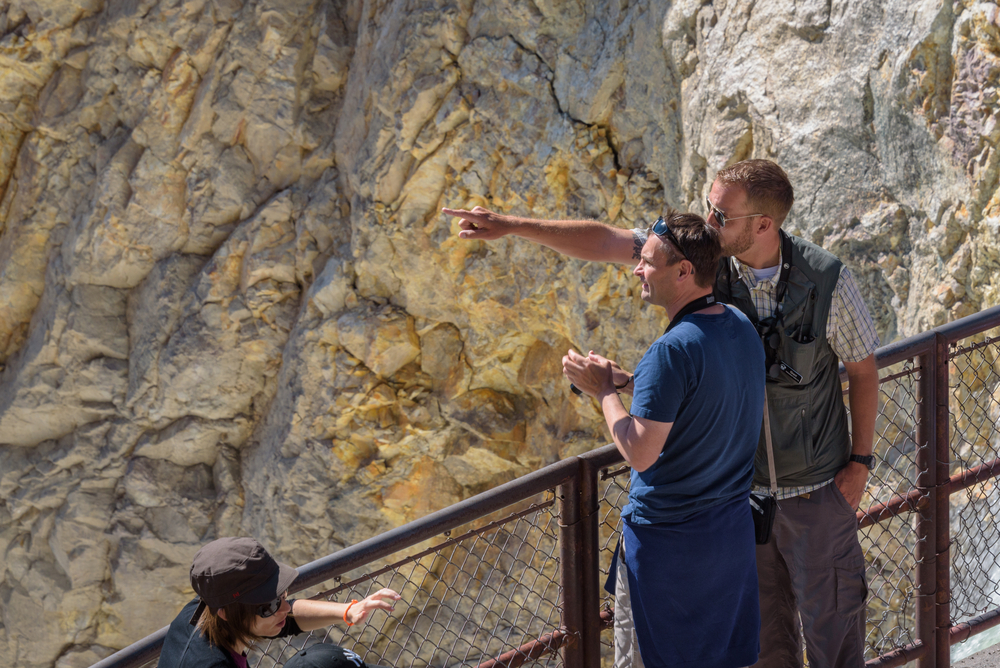
Yellowstone National Park is one of the most iconic destinations in the United States, drawing millions of visitors each year with its erupting geysers, prismatic hot springs, and roaming megafauna. But amid all the wonder, a very reasonable question tends to surface before any trip: is it actually safe? The short answer is yes, for the vast majority of visitors who come prepared and follow the rules. Yellowstone safety is not about avoiding the park. It is about understanding the environment you are stepping into and respecting it.
This guide breaks down what you need to know before your visit so you can enjoy every moment with confidence.
Checking Yellowstone Current Conditions Before You Go
One of the most important steps in visiting Yellowstone safely is checking current conditions before you ever pack your bags. The park spans more than 2.2 million acres across Wyoming, Montana, and Idaho, and conditions can vary dramatically depending on the season, elevation, and recent geological activity.
As of the 2026 spring season, the park is following a phased road opening schedule, with select entrances welcoming vehicles starting April 17. The North Entrance near Gardiner, Montana, and the West Entrance near West Yellowstone, Montana, are among the first to open. Higher-elevation roads, including Dunraven Pass, are scheduled to open later in May, weather permitting. Construction is also ongoing through late October 2026, with bridge repair projects near certain entrances that may cause delays of up to 30 minutes.
The U.S. Geological Survey reports that Yellowstone caldera activity remains at background levels as of April 2026, with the volcano alert level at NORMAL and the aviation color code at GREEN. Minor seismic activity is routine and not cause for alarm. For real-time road alerts, the National Park Service recommends texting “82190” to 888-777 for automatic updates. Checking the official NPS website before and during your trip is always a smart move when it comes to Yellowstone current conditions.
Yellowstone Wildlife Safety: How to Share the Park With Its Residents
Wildlife encounters are at the heart of what makes Yellowstone so extraordinary, but they are also one of the most significant sources of injury in the park. Yellowstone wildlife safety is not optional. It is a core responsibility for every visitor.
The park is home to grizzly bears, black bears, gray wolves, bison, elk, pronghorn, and more. The National Park Service enforces strict distance requirements for good reason. Visitors must stay at least 100 yards from bears and wolves at all times, and at least 25 yards from all other wildlife, including bison and elk. These distances are minimums, not suggestions. A bison can run up to 35 miles per hour, and despite their seemingly calm demeanor, they are responsible for more visitor injuries in Yellowstone than any other animal.
Spring is a particularly active time for wildlife. Grizzly bears emerge from hibernation hungry and alert, and bison calves begin appearing by late April. While this makes for extraordinary viewing opportunities, it also means heightened caution is needed. Every hiker and backcountry visitor should carry bear spray and know how to use it before setting foot on a trail. Hiking in groups reduces risk considerably, as does making noise on the trail to avoid surprising animals.
Never feed wildlife under any circumstances. Animals that become accustomed to human food lose their natural behaviors and often have to be euthanized as a result. Keeping your distance is the kindest and safest thing you can do for both yourself and the animals.
Geothermal Hazards: The Risk Most Visitors Underestimate
Here is something that surprises most first-time visitors: despite the presence of wolves, bears, and bison, geothermal features are actually a more frequent cause of death and serious injury in Yellowstone than wildlife. That statistic alone speaks volumes about how seriously thermal areas must be treated.
Yellowstone sits atop a supervolcano, and its more than 10,000 hydrothermal features include hot springs, geysers, fumaroles, and mud pots. Many of these reach temperatures well above 200 degrees Fahrenheit. The ground surrounding thermal features can appear solid but may actually be a thin crust over superheated water. Stepping off a boardwalk, even briefly, can result in a fall through the crust and catastrophic burns.
Toxic gases including hydrogen sulfide and carbon dioxide can also accumulate in low-lying areas near thermal features, especially where air circulation is poor. Symptoms of exposure include dizziness and respiratory distress. If you experience any of these symptoms near a thermal area, move away immediately.
The rules here are simple and non-negotiable: stay on designated boardwalks and trails at all times, never touch or throw anything into thermal pools or geysers, and supervise children closely. Swimming in hot springs is both illegal and extremely dangerous. The park’s boardwalks and paved paths exist specifically to keep visitors safe while still allowing access to some of the most otherworldly landscapes on the planet.
Yellowstone Travel Safety: Weather, Roads, and General Preparedness
Yellowstone travel safety goes beyond wildlife and thermal areas. The park’s high elevation, remote terrain, and unpredictable weather demand solid preparation from every visitor.
Weather in Yellowstone can shift dramatically within a matter of hours, even in late spring and early summer. A sunny morning can give way to sudden snowfall at higher elevations. Visitors are strongly encouraged to dress in layers and carry waterproof clothing and sturdy footwear regardless of what the forecast says at lower elevations. Hypothermia is a real risk for unprepared hikers who get caught in a sudden storm.
Cell service is extremely limited throughout most of the park. Before entering, download offline maps, share your itinerary with someone outside the park, and do not rely on your phone for navigation or emergency communication. Many areas have no signal at all, and help can be a long distance away in a remote backcountry setting.
Road conditions during the spring opening period deserve special attention. Many trails and boardwalks remain snow-covered in April and early May, and icy patches on roads are common in the early morning hours. The ongoing construction near the Gardiner entrance in Montana can also create delays, so build extra travel time into your plans. Speed limits inside the park exist for good reason: wildlife frequently cross roads with no warning, and a collision with a bison or elk can be deadly for everyone involved.
Visiting Yellowstone Safely: Practical Tips to Make Your Trip a Success
Knowing the hazards is only half the equation. Visiting Yellowstone safely means translating that knowledge into action from the moment you arrive. Here are the most important practical steps to keep your trip smooth and enjoyable.
Always check the NPS website and the USGS Yellowstone Volcano Observatory page before your visit for the latest alerts and updates. Arrive early in the morning to avoid peak traffic congestion and to maximize wildlife viewing opportunities in areas like Lamar Valley. During wildlife jams, pull completely off the pavement, turn on your hazard lights, and stay with your vehicle rather than walking along the roadside.
Store all food, trash, and scented items in bear-proof containers or locked in your vehicle. This protects both you and the animals. If you are camping, keep a clean campsite and never leave food unattended. Rangers take food storage violations seriously and issue citations.
Attend a ranger-led program if you have the opportunity. These talks offer invaluable context about the park’s geology, wildlife, and safety protocols, and they are one of the best free resources available to any visitor. Pay close attention to posted signs throughout the park, particularly in thermal areas and near wildlife. These signs are placed where past incidents have occurred and carry real weight.
Finally, embrace the Leave No Trace principles. Pack out all trash, stay on designated paths, and resist the urge to take souvenirs from the park. Yellowstone belongs to everyone, and responsible behavior now ensures it remains extraordinary for generations to come.
Conclusion
Yellowstone is as safe as it is spectacular, provided visitors approach it with awareness and respect. By staying informed about Yellowstone current conditions, maintaining proper distances for Yellowstone wildlife safety, avoiding geothermal hazards, and preparing for variable weather, the vast majority of trips go smoothly and are nothing short of unforgettable. The park rewards those who come prepared, so do your homework, follow the rules, and enjoy one of the greatest natural wonders on Earth.
Need Guided Tours Of Yellowstone National Park?
Welcome to Yellowstone Tour Guides! We here at Yellowstone Tour Guides are a family-owned tour agency that specializes in tours, sightseeing, and hikes throughout Yellowstone and Big Sky, Montana! Since 2001, we have been dedicated to showing families the beauty of Yellowstone Nation Park. We offer small-group sightseeing tours, multi-day backpacking, and hiking tours. We also provide private vacation planning and tours! We look forward to exploring Yellowstone with you! Call us today!