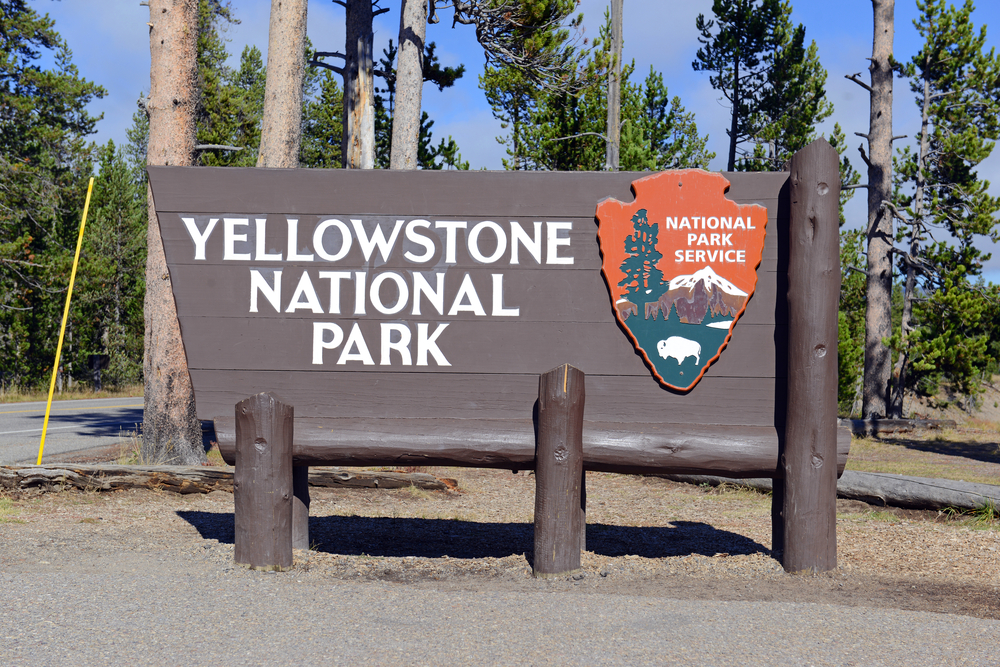
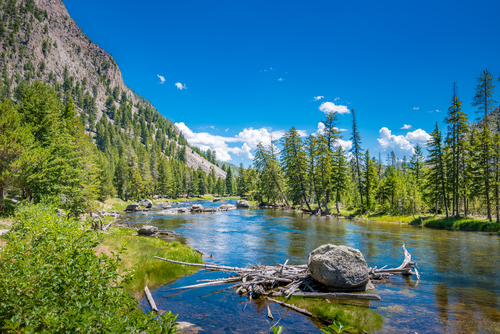
Yellowstone National Park, with its diverse landscapes and abundant wildlife, offers a plethora of opportunities for stunning photographs. Whether you’re an amateur photographer or a seasoned pro, this guide will help you make the most of your time in this iconic American park. From the best photo spots to tips for capturing wildlife, this Yellowstone photography guide is designed to enhance your experience and ensure you leave with breathtaking images.
The Allure of Yellowstone National Park
Yellowstone is renowned for its geothermal features, dramatic landscapes, and diverse ecosystems. Established as the first national park in the world, it spans over 3,400 square miles and includes a range of environments from lush forests to rugged mountains. The park is also home to a wide variety of wildlife, including bison, elk, wolves, and grizzly bears. With such a rich tapestry of natural beauty, it’s no wonder Yellowstone is a favorite destination for photographers.
Yellowstone Wildlife Photography: Tips for Capturing the Perfect Shot
Understand Animal Behavior
To photograph wildlife effectively, it’s crucial to understand the behavior of the animals you’re photographing. Research the species you’re likely to encounter and learn about their habits, feeding patterns, and typical behavior. For instance, bison are most active during early morning and late afternoon, which are also the best times for soft, golden light.
Use the Right Equipment
Having the right gear is essential for wildlife photography. A telephoto lens, such as a 200-500mm, allows you to capture animals from a safe distance without disturbing them. Additionally, a tripod or monopod can help stabilize your camera, especially when using long lenses. Consider bringing a camera with a high frame rate for capturing fast-moving animals.
Respect Wildlife and Their Habitats
Always prioritize the safety and well-being of the wildlife you’re photographing. Maintain a safe distance and never approach animals too closely. Use a telephoto lens to zoom in from afar rather than intruding on their space. Respect park regulations and follow guidelines to minimize your impact on the environment.
Yellowstone Best Photo Spots: Where to Find Stunning Views
Old Faithful
Old Faithful is one of the most iconic geysers in Yellowstone, and capturing its eruption can yield incredible photos. The best time to photograph Old Faithful is during its eruptions, which occur approximately every 90 minutes. Arrive early to secure a good vantage point and be prepared for varying lighting conditions.
Grand Prismatic Spring
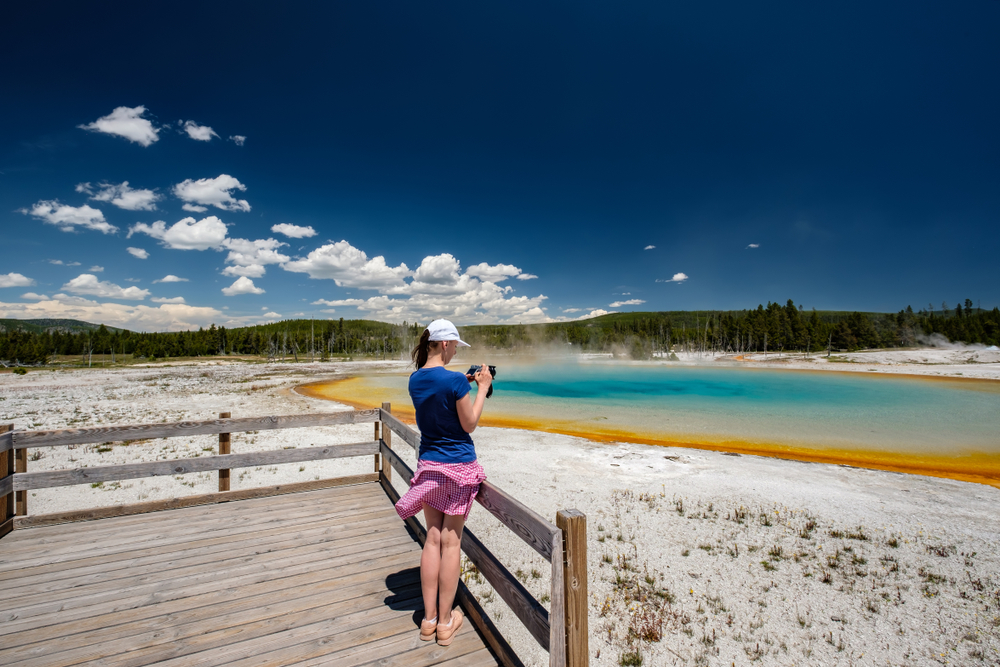
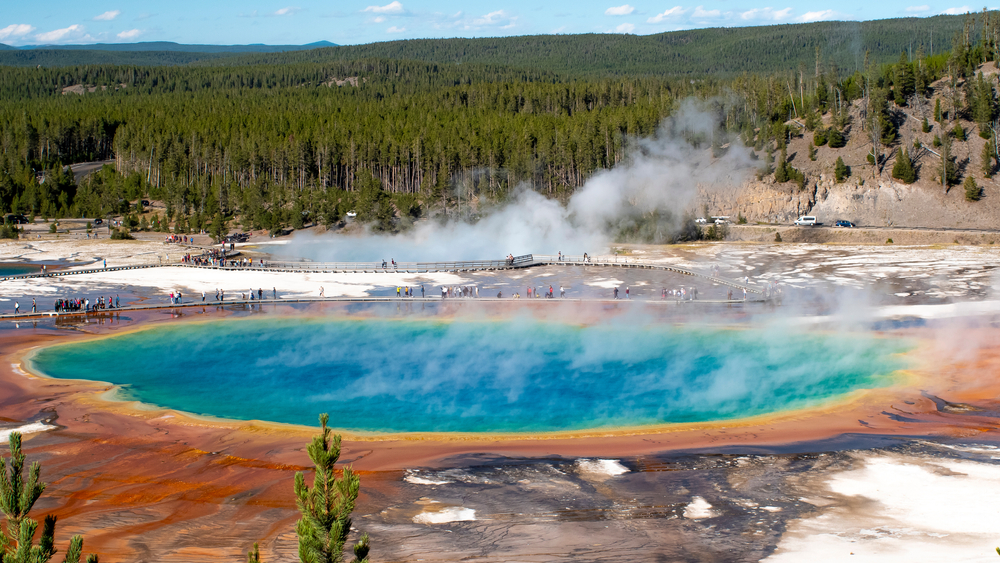
Grand Prismatic Spring is the largest hot spring in the United States and is known for its vibrant colors. To capture its full splendor, photograph it from the overlook on the Fairy Falls Trail. This elevated perspective provides a sweeping view of the spring’s brilliant hues and intricate patterns.
Yellowstone Falls
Yellowstone Falls, consisting of the Upper and Lower Falls, offers dramatic landscape shots. The best viewpoints include Artist Point and Lookout Point. Sunrise or sunset can provide beautiful light and enhance the colors of the falls and surrounding canyon.
Lamar Valley
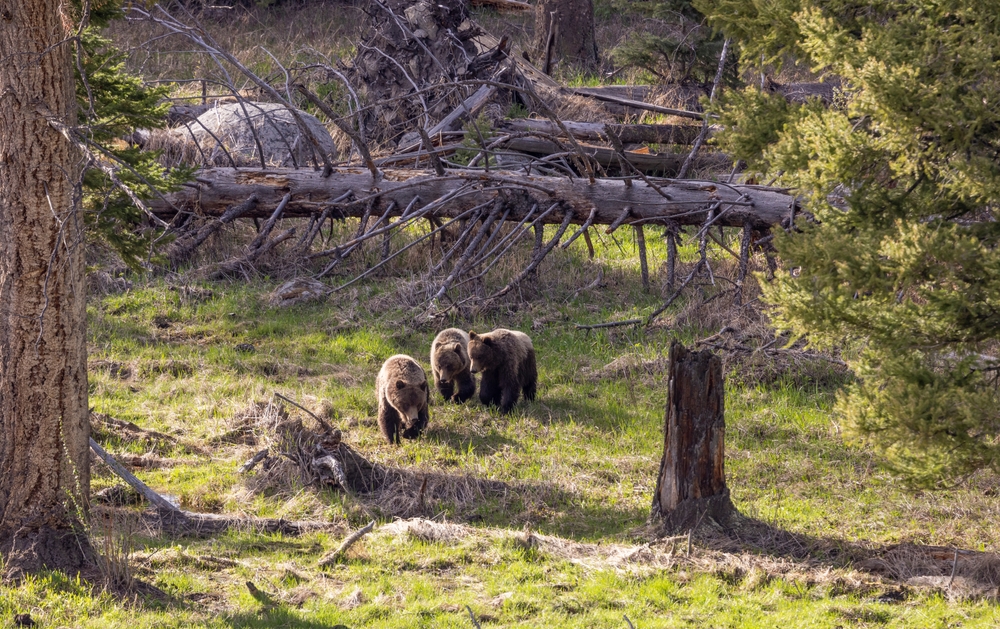
Lamar Valley is renowned for its abundant wildlife and stunning landscapes. It’s one of the best places in the park to photograph bison, elk, and wolves. Early mornings or late evenings are ideal times for wildlife photography in this area, as animals are more active during these hours.
Lighting and Composition: Techniques for Stunning Yellowstone Photos
Utilize Golden Hours
The golden hours—shortly after sunrise and before sunset—provide the best lighting conditions for photography. The soft, warm light enhances colors and reduces harsh shadows, making it ideal for capturing landscapes and wildlife. Plan your shoots around these times to take advantage of the natural light.
Experiment with Composition
Pay attention to composition to create compelling photographs. Use techniques like the rule of thirds, leading lines, and framing to draw viewers’ eyes to the focal point of your image. For landscapes, consider incorporating elements like foreground interest or reflections to add depth and context to your shots.
Capture Movement
Incorporating movement into your photos can add dynamism and energy. For wildlife, use a fast shutter speed to freeze motion or a slower shutter speed to capture the sense of movement. For landscapes, try long exposures to smooth out water or capture the movement of clouds.
Post-Processing Tips: Enhancing Your Yellowstone Photos
Adjust Exposure and Contrast
After capturing your images, use photo editing software to fine-tune exposure and contrast. Adjusting these settings can help bring out details in both shadows and highlights, enhancing the overall quality of your photos.
Enhance Colors and Sharpness
Boosting colors and sharpening your images can make them more vivid and crisp. Be careful not to overdo it, as excessive adjustments can lead to unnatural-looking photos. Aim for a balanced and realistic enhancement that complements the natural beauty of Yellowstone.
Crop and Straighten
Cropping can help improve composition by removing distracting elements and focusing on the main subject. Additionally, ensure that your images are straightened to avoid a tilted horizon or skewed lines.
Conclusion
Yellowstone National Park is a treasure trove of photographic opportunities, from its geothermal wonders to its abundant wildlife. By understanding animal behavior, utilizing the best photo spots, and applying effective photography techniques, you can capture the park’s majesty and beauty in your images. Remember to respect wildlife and the environment while exploring the park, and use post-processing to enhance your photos for the best results. With this Yellowstone photography guide, you’re well on your way to creating stunning images that showcase the splendor of one of America’s most iconic national parks.
Need Some Guided Tours Of Yellowstone National Park?
Welcome to Yellowstone Tour Guides! We here at Yellowstone Tour Guides are a family-owned tour agency that specializes in tours, sightseeing, and hikes throughout Yellowstone and Big Sky, Montana! Since 2001, we have been dedicated to showing families the beauty of Yellowstone Nation Park. We offer small-group sightseeing tours, multi-day backpacking, and hiking tours. We also provide private vacation planning and tours! We look forward to exploring Yellowstone with you! Call us today!
Yellowstone National Park, nestled primarily in the state of Wyoming, is renowned worldwide for its spectacular geothermal features. From erupting geysers to colorful hot springs and bubbling mud pots, Yellowstone offers visitors a glimpse into the dynamic forces shaping our planet’s surface. This guide explores some of the park’s most famous geothermal attractions, providing insights into their formation, significance, and visitor experience.
Yellowstone’s Geothermal Environment
Geothermal Features Defined
Yellowstone’s geothermal features are a result of the park’s location atop one of the world’s largest active volcanic systems. The magma chamber beneath the surface heats groundwater, creating a variety of hydrothermal features. These include geysers, hot springs, mud pots, and fumaroles.
Geological Origins
The park sits on the Yellowstone Caldera, a volcanic hotspot that last erupted over 640,000 years ago. The ongoing volcanic activity provides the heat necessary for the geothermal features to thrive.
Unique Ecosystems
Despite the extreme conditions, Yellowstone’s geothermal areas host unique microbial life adapted to the hot and acidic environments. These microorganisms create vibrant colors that adorn many of the hot springs.
Famous Geothermal Attractions in Yellowstone
Old Faithful Geyser
Perhaps the most famous geyser in the world, Old Faithfulerupts approximately every 90 minutes, shooting hot water up to 180 feet in the air. Its predictable schedule and impressive displays make it a must-see for park visitors.
Grand Prismatic Spring
Located in the Midway Geyser Basin, the Grand Prismatic Spring is the largest hot spring in the United States and one of Yellowstone’s most photographed features. Its strikingly vibrant colors, caused by pigmented bacteria, create a mesmerizing sight against the backdrop of surrounding pools and geysers.
Norris Geyser Basin
Known for its dynamic landscape and high-temperature geysers, Norris Geyser Basin is one of the hottest and most active thermal areas in Yellowstone. Visitors can explore boardwalks that wind through steaming vents, geysers, and colorful hot springs.
Mammoth Hot Springs
Located near Yellowstone’s North Entrance, Mammoth Hot Springs features terraces of travertine formed by hot water flowing through limestone. The constantly changing terraces create a surreal landscape of cascading mineral deposits and vivid pools.
Fountain Paint Pot
Fountain Paint Pot in the Lower Geyser Basin offers a diverse display of Yellowstone’s geothermal activity. Visitors can witness bubbling mud pots, colorful hot springs, and occasionally, small geysers erupting in this compact and accessible thermal area.
Visiting Yellowstone’s Geothermal Areas
Visitor Guidelines
When visiting Yellowstone’s geothermal areas, it’s crucial to adhere to park guidelines for safety and preservation. Stay on designated boardwalks and trails to protect yourself and delicate thermal formations. The ground surrounding these features can be unstable and dangerously hot.
Best Times to Visit
To experience Yellowstone’s geothermal features at their best, plan your visit during the cooler parts of the day, such as early morning or late afternoon. During these times, steam is more visible, and the lighting enhances the vibrant colors of the hot springs.
Accessibility
Most of Yellowstone’s major geothermal areas are accessible via well-maintained boardwalks and trails. However, some features may require moderate walking or hiking, so be prepared with comfortable footwear and plenty of water.
Conservation and Preservation Efforts
Protecting Yellowstone’s Geothermal Features
Yellowstone National Park prioritizes conservation efforts to protect its delicate geothermal features. These include monitoring water levels, managing visitor access, and conducting research on the park’s unique microbial life.
Educational Programs
The park offers educational programs and guided tours focused on geothermal features. These programs provide insights into the geological processes at work and the ecological significance of Yellowstone’s thermal areas.
Conclusion
Yellowstone’s geothermal features offer a window into the Earth’s geologic past and ongoing processes. From the iconic eruptions of Old Faithful to the vibrant colors of Grand Prismatic Spring, each feature tells a story of volcanic activity and adaptation. Visitors to Yellowstone National Park can explore these wonders while contributing to conservation efforts that ensure these natural marvels endure for future generations to enjoy.
Need Some Guided Tours Of Yellowstone National Park?
Welcome to Yellowstone Tour Guides! We here at Yellowstone Tour Guides are a family-owned tour agency that specializes in tours, sightseeing, and hikes throughout Yellowstone and Big Sky, Montana! Since 2001, we have been dedicated to showing families the beauty of Yellowstone Nation Park. We offer small-group sightseeing tours, multi-day backpacking, and hiking tours. We also provide private vacation planning and tours! We look forward to exploring Yellowstone with you! Call us today!
Yellowstone National Park, a sprawling expanse of natural beauty and biodiversity, is renowned for its incredible wildlife. From grizzly bears to majestic elk, Yellowstone offers visitors a chance to witness these creatures in their natural habitat. Here are the top 5 spots within the park where you can experience some of the most spectacular wildlife sightings:
1. Lamar Valley
Known as the Serengeti of Yellowstone, Lamar Valley is a prime location for wildlife enthusiasts. Located in the northeastern part of the park, this expansive valley is home to a diverse range of animals. Bison herds roam freely, often blocking traffic as they graze alongside pronghorn antelope and coyotes. Wolves are frequently spotted here, making it one of the best places in the park to observe these elusive predators. Early mornings and late evenings offer the best chances for wildlife viewing in Lamar Valley.
2. Hayden Valley
Nestled along the Yellowstone River, Hayden Valley is another hotspot for wildlife viewing. Bison are a common sight here, often seen grazing near the riverbanks or crossing the road. Grizzly bears and black bears can also be spotted foraging for food, especially during the summer months when berries are abundant. Bald eagles and ospreys soar overhead, adding to the valley’s rich biodiversity. Sunset drives through Hayden Valley can provide breathtaking encounters with Yellowstone’s iconic wildlife.
3. Grand Canyon of the Yellowstone
Not just famous for its stunning vistas, the Grand Canyon of the Yellowstone is also home to a variety of wildlife. Bighorn sheep are frequently seen scaling the canyon walls, showcasing their agility and adaptation to the rugged terrain. Red foxes and mule deer inhabit the forests along the canyon rim, offering visitors a chance to observe these smaller but equally fascinating creatures. The combination of geological wonders and wildlife sightings makes this area a must-visit in Yellowstone.
4. Old Faithful Area
Beyond its famous geyser, the Old Faithful area is a hub of wildlife activity. Elk are often seen grazing near the thermal features, creating a unique juxtaposition of wildlife and geothermal wonders. Coyotes and wolves are occasionally spotted here, taking advantage of the open spaces and abundant prey. For visitors interested in both natural geology and wildlife photography, the Old Faithful area provides an excellent opportunity to capture Yellowstone’s diverse beauty.
5. Mount Washburn
Offering panoramic views, Mount Washburn is not only a hiking destination but also a fantastic spot for wildlife enthusiasts. The trail to the summit offers sweeping vistas of Yellowstone’s landscapes and ample opportunities to spot wildlife along the way. Mountain goats are a common sight on the rocky slopes, showcasing their climbing abilities against the backdrop of alpine meadows. Birdwatchers will also appreciate the variety of avian species, including Clark’s nutcrackers and golden eagles, making Mount Washburn a haven for both hikers and wildlife enthusiasts.
Conclusion
Whether you’re a seasoned wildlife photographer or a nature enthusiast, Yellowstone National Park promises unforgettable encounters with its diverse wildlife. From the vast plains of Lamar Valley to the dramatic cliffs of the Grand Canyon of the Yellowstone, each of these top 5 spots offers a unique glimpse into the natural world of Yellowstone. Plan your visit strategically, especially during dawn and dusk when wildlife activity peaks, and prepare to be amazed by the wonders of America’s first national park.
Need Some Guided Tours Of Yellowstone National Park?
Welcome to Yellowstone Tour Guides! We here at Yellowstone Tour Guides are a family-owned tour agency that specializes in tours, sightseeing, and hikes throughout Yellowstone and Big Sky, Montana! Since 2001, we have been dedicated to showing families the beauty of Yellowstone Nation Park. We offer small-group sightseeing tours, multi-day backpacking, and hiking tours. We also provide private vacation planning and tours! We look forward to exploring Yellowstone with you! Call us today!
Are you looking for an unforgettable summer vacation in 2024? Look no further because Yellowstone National Park is officially open for the summer season as of April 19th, 2024! We are thrilled to announce that the West Entrance will be reopening on April 19th, providing access to some of the park’s most iconic attractions such as Old Faithful, Canyon, and Mammoth. We are excited to resume our summer tours at this time, offering visitors the opportunity to explore the natural beauty and wildlife that Yellowstone has to offer. In the meantime, we will continue to offer our Winter Wildlife Adventure via the North Entrance until the West Entrance is open. So, pack your bags, grab your camera, and get ready for the adventure of a lifetime in Yellowstone National Park this summer 2024!
Plan Your Yellowstone Adventure Early
With Yellowstone National Park opening for the summer season on April 19th, now is the perfect time to start planning your visit. Whether you are a nature enthusiast, wildlife lover, or simply looking for a scenic getaway, Yellowstone has something for everyone. As one of the most popular national parks in the United States, Yellowstone attracts millions of visitors each year, so it’s essential to plan your trip early to secure accommodations and tours. By booking your Yellowstone vacation with us, you can rest assured that you will have a seamless and memorable experience exploring this iconic destination.
Experience the Wonders of Yellowstone
Yellowstone National Park is home to a diverse array of natural wonders, including geothermal features, wildlife, waterfalls, and scenic landscapes. One of the park’s most famous attractions is Old Faithful, a geyser that erupts approximately every 90 minutes, shooting water and steam into the air. Visitors can also explore the Grand Canyon of Yellowstone, a breathtaking canyon carved by the Yellowstone River, and marvel at the colorful hot springs and geysers in the Lower and Upper Geyser Basins. With over 2.2 million acres of wilderness to explore, Yellowstone offers endless opportunities for adventure and discovery.
Join Our Guided Tours
We offer a variety of guided tours that cater to different interests and preferences. Whether you are interested in wildlife spotting, photography, or geothermal features, our experienced guides will tailor the tour to meet your needs. Our summer tours will take you to some of Yellowstone’s most popular attractions, including Old Faithful, Mammoth Hot Springs, and the Grand Canyon of Yellowstone. With our knowledgeable guides leading the way, you will learn about the park’s history, geology, and wildlife while experiencing the beauty of Yellowstone up close.
Stay Safe and Respectful
As you embark on your Yellowstone adventure, it is crucial to prioritize safety and respect for the park’s natural environment. Yellowstone is home to a wide range of wildlife, including bears, bison, elk, and wolves, so it is essential to maintain a safe distance and observe from a respectful distance. Additionally, the geothermal features in the park, such as hot springs and geysers, are delicate and dangerous, so it is crucial to stay on designated trails and boardwalks to protect yourself and the environment. By following park rules and guidelines, you can help ensure that Yellowstone remains a pristine and preserved natural wonder for future generations to enjoy.
Book Your Yellowstone Summer Vacation Today!
Don’t miss out on the opportunity to explore Yellowstone National Park this summer 2024. Book your Yellowstone vacation with Yellowstone Tour Guides today and embark on an adventure of a lifetime in one of America’s most beloved national parks. Whether you are a first-time visitor or a seasoned Yellowstone enthusiast, we guarantee that your experience with us will be unforgettable. So, pack your bags, lace up your hiking boots, and get ready to experience the wonders of Yellowstone this summer. We can’t wait to show you everything that Yellowstone has to offer!
Yellowstone National Park is a marvel of nature, boasting diverse landscapes, unique wildlife, and awe-inspiring thermal features. One common question for travelers planning a visit is, “What is the best time of year to experience the wonders of Yellowstone?” Fortunately, the answer is not a straightforward one, as each season offers its own set of charms and challenges. In this blog post, we’ll explore the various aspects of Yellowstone’s seasons, with insights provided by our experts here at Yellowstone Tour Guides.
Embracing Diversity: Anytime is a Good Time
The first thing to note is that Yellowstone’s diversity makes it a year-round destination. Each season unfolds with its own beauty and unique experiences, making it difficult to pinpoint a single “best time.” Whether you’re a fan of winter wonderlands, blooming wildflowers, or the vibrant colors of fall foliage, Yellowstone has something to offer in every season.
Navigating Park Closures: Plan Accordingly
Before planning your trip, it’s crucial to be aware of the park’s closure periods. From November 1st to December 15th and again between March 15th and the 3rd Friday in April, much of the park is closed. However, during this time, the North Entrance to Cooke City remains open. We offer the Winter Wildlife Adventure, providing day trips and multi-day excursions from various locations, including Big Sky, Bozeman, and Jackson.
Wildlife Enthusiasts: December through June is Prime Time
For those seeking wildlife encounters, the best time to visit Yellowstone is from December through June. During these months, you have a higher chance of spotting the park’s iconic residents, including wolves, bison, and elk. July and August, on the other hand, can be challenging for wildlife sightings, making the winter and early spring months ideal for nature enthusiasts.
Thermal Wonderland: June through Mid-September
Yellowstone’s thermal features, including the iconic geysers like Old Faithful, are best experienced from June through mid-September. This period offers optimal conditions for exploring the park’s geothermal wonders, with milder temperatures and more accessible trails. Let us enhance your experience with guided tours that delve into the geological marvels that make Yellowstone a unique destination.
Snow-Free Serenity: July and August
If your goal is to explore Yellowstone without encountering snowfall, plan your visit for July and August. These summer months provide a snow-free landscape, allowing for more comfortable hiking, camping, and sightseeing. However, keep in mind that quick snowstorms may surprise visitors in June and September, adding a touch of unpredictability to the late spring and early fall seasons.
Crowded Trails vs. Peaceful Solitude: October through May
For those who prefer avoiding crowds and relishing the serenity of nature, the best time to visit is from October through May. During these months, Yellowstone sees fewer tourists, providing a more intimate and peaceful experience. We also offer guided tours that take advantage of the quieter seasons, allowing you to connect with the park’s beauty without the hustle and bustle.
Bug-Free Bliss: August through Early May
While Yellowstone is a paradise for nature lovers, mosquitoes and bugs can be an inevitable downside. To avoid these nuisances, plan your visit from August through early May. During this time, you can explore the park’s trails without the constant buzzing and biting, enhancing your overall outdoor experience.
Summary
The best time to visit Yellowstone National Park really depends on your preferences and the experiences you seek. Our team here at Yellowstone Tour Guides, with their expertise and range of tours, can tailor your visit to match the season that aligns with your interests. Whether you’re drawn to wildlife, geothermal wonders, or tranquil landscapes, Yellowstone awaits, offering a year-round invitation to explore its breathtaking beauty!
Embark on Your Yellowstone Adventure Today
To make the most of your visit and ensure a tailored experience, reach out to us today! Whether you crave the thrill of wildlife encounters from December through June, the mesmerizing geothermal wonders from June to mid-September, or the serene solitude of October through May, we have the expertise to guide you. Don’t miss out on the opportunity to explore Yellowstone’s diverse landscapes and unique experiences. Contact us now and let us turn your dreams of a Yellowstone adventure into a personalized reality.