Yellowstone National Park is a marvel of nature, boasting diverse landscapes, unique wildlife, and awe-inspiring thermal features. One common question for travelers planning a visit is, “What is the best time of year to experience the wonders of Yellowstone?” Fortunately, the answer is not a straightforward one, as each season offers its own set of charms and challenges. In this blog post, we’ll explore the various aspects of Yellowstone’s seasons, with insights provided by our experts here at Yellowstone Tour Guides.
Embracing Diversity: Anytime is a Good Time
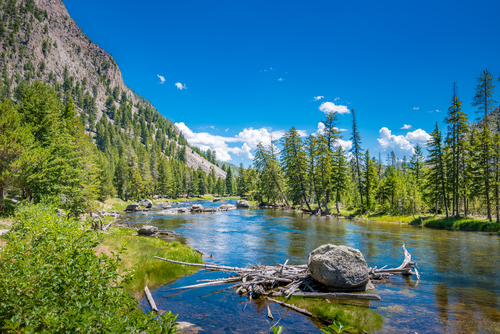
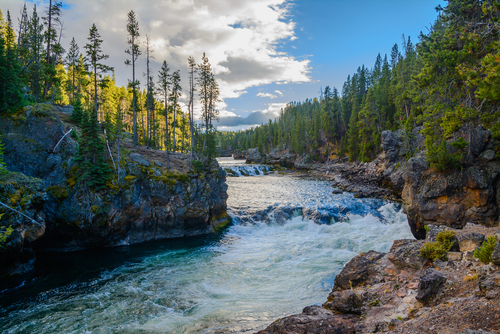
The first thing to note is that Yellowstone’s diversity makes it a year-round destination. Each season unfolds with its own beauty and unique experiences, making it difficult to pinpoint a single “best time.” Whether you’re a fan of winter wonderlands, blooming wildflowers, or the vibrant colors of fall foliage, Yellowstone has something to offer in every season.
Navigating Park Closures: Plan Accordingly
Before planning your trip, it’s crucial to be aware of the park’s closure periods. From November 1st to December 15th and again between March 15th and the 3rd Friday in April, much of the park is closed. However, during this time, the North Entrance to Cooke City remains open. We offer the Winter Wildlife Adventure, providing day trips and multi-day excursions from various locations, including Big Sky, Bozeman, and Jackson.
Wildlife Enthusiasts: December through June is Prime Time
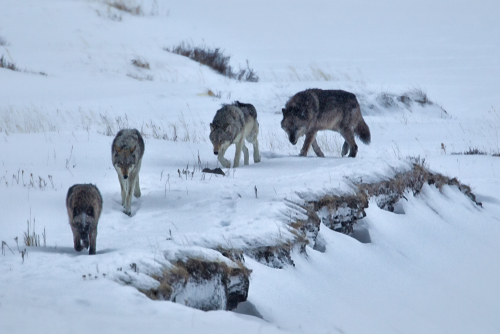
For those seeking wildlife encounters, the best time to visit Yellowstone is from December through June. During these months, you have a higher chance of spotting the park’s iconic residents, including wolves, bison, and elk. July and August, on the other hand, can be challenging for wildlife sightings, making the winter and early spring months ideal for nature enthusiasts.
Thermal Wonderland: June through Mid-September
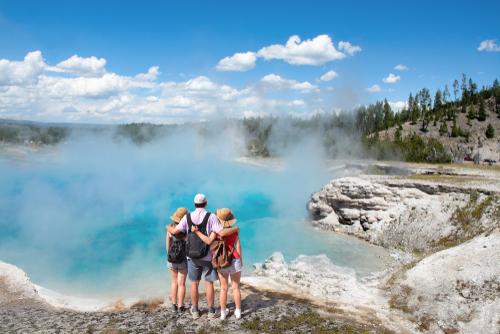
Yellowstone’s thermal features, including the iconic geysers like Old Faithful, are best experienced from June through mid-September. This period offers optimal conditions for exploring the park’s geothermal wonders, with milder temperatures and more accessible trails. Let us enhance your experience with guided tours that delve into the geological marvels that make Yellowstone a unique destination.
Snow-Free Serenity: July and August
If your goal is to explore Yellowstone without encountering snowfall, plan your visit for July and August. These summer months provide a snow-free landscape, allowing for more comfortable hiking, camping, and sightseeing. However, keep in mind that quick snowstorms may surprise visitors in June and September, adding a touch of unpredictability to the late spring and early fall seasons.
Crowded Trails vs. Peaceful Solitude: October through May
For those who prefer avoiding crowds and relishing the serenity of nature, the best time to visit is from October through May. During these months, Yellowstone sees fewer tourists, providing a more intimate and peaceful experience. We also offer guided tours that take advantage of the quieter seasons, allowing you to connect with the park’s beauty without the hustle and bustle.
Bug-Free Bliss: August through Early May
While Yellowstone is a paradise for nature lovers, mosquitoes and bugs can be an inevitable downside. To avoid these nuisances, plan your visit from August through early May. During this time, you can explore the park’s trails without the constant buzzing and biting, enhancing your overall outdoor experience.
Summary
The best time to visit Yellowstone National Park really depends on your preferences and the experiences you seek. Our team here at Yellowstone Tour Guides, with their expertise and range of tours, can tailor your visit to match the season that aligns with your interests. Whether you’re drawn to wildlife, geothermal wonders, or tranquil landscapes, Yellowstone awaits, offering a year-round invitation to explore its breathtaking beauty!
Embark on Your Yellowstone Adventure Today
To make the most of your visit and ensure a tailored experience, reach out to us today! Whether you crave the thrill of wildlife encounters from December through June, the mesmerizing geothermal wonders from June to mid-September, or the serene solitude of October through May, we have the expertise to guide you. Don’t miss out on the opportunity to explore Yellowstone’s diverse landscapes and unique experiences. Contact us now and let us turn your dreams of a Yellowstone adventure into a personalized reality.
If you have always dreamed of exploring the breathtaking beauty of Yellowstone National Park in a unique and immersive way, then now is the perfect time to start planning your backpacking trip. Between now and mid-February, we are in the process of putting together our backpacking trips so that we can secure the best campsites by the end of February. Backpackingoffers a fantastic opportunity to experience the heart of Yellowstone, allowing you to explore its backcountry geyser basins, majestic waterfalls, stunning valley and mountain vistas, and peaks that are visited by less than 3% of the park’s visitors.
Explore the Hidden Gems
Backpacking is a great way to visit the heart of Yellowstone, taking you off the beaten path and allowing you to explore the hidden gems that many visitors never see. While the iconic geysers and landscapes of the park are undeniably awe-inspiring, there is so much more to discover. By embarking on a backpacking trip, you have the chance to venture deep into the wilderness and experience the park in a truly immersive way. Imagine stumbling upon a secluded geyser basin, surrounded by untouched nature and serene beauty, with no crowds of tourists in sight. These hidden treasures are waiting to be explored and are best accessed through backpacking.
Family-Friendly Adventures
Backpacking is not just for the experienced hikers and thrill-seekers; it is also a wonderful opportunity for families to bond and create lifelong memories. Our backpacking trips offer family-friendly options, allowing you to unplug the kids from their devices and immerse them in nature. We have designed our trips to cater to families with children as young as four years old, with super easy campsites available. Whether it’s roasting marshmallows around the campfire, spotting wildlife together, or embarking on a family adventure to a stunning waterfall, our backpacking trips provide a unique and unforgettable experience for the whole family.
The Ultimate Escape from the Modern World
In today’s fast-paced and technology-driven world, finding moments of tranquility and escape can be challenging. Yellowstone National Park offers a sanctuary away from the hustle and bustle of everyday life, and backpacking allows you to immerse yourself fully in this natural wonderland. As you hike through the park’s pristine trails, surrounded by towering mountains and pristine forests, you will feel a sense of peace and serenity that is difficult to find elsewhere. Switching off your devices, and instead, tuning into the sounds of nature and the beauty surrounding you, rejuvenates the mind and soul.
A Photographer’s Dream
Yellowstone National Park is a playground for photographers, with stunning landscapes, unique geothermal features, and abundant wildlife. Backpacking provides ample opportunities for photographers to capture these incredible moments in all their glory. From photographing the erupting geysers at sunrise to capturing the majestic beauty of wildlife in their natural habitat, every turn of the trail presents a new photographic opportunity. Our backpacking trips allow photographers ample time to scout for the perfect vantage point and truly appreciate the beauty of Yellowstone through their lens.
Time to Plan and Book
With the popularity of backpacking trips in Yellowstone, it is essential to plan and book your trip in advance. By securing your spot now, you ensure that you can secure the best campsites available by the end of February. Don’t miss out on this once-in-a-lifetime opportunity to explore the heart of Yellowstone and create unforgettable memories. Whether you are embarking on a solo adventure, traveling with friends, or planning a family getaway, our backpacking trips cater to all levels of experience and offer a truly unique and immersive way to experience Yellowstone National Park.
As the leading tour company in the Yellowstone National Park area, our team here at Yellowstone Tour Guides is thrilled to announce our special offer for visiting Yellowstone in summer 2024. While summer is already an incredible time to explore the wonders of Yellowstone, we want to make it even more accessible and affordable for our valued customers. That’s why we are excited to offer a limited-time discount of $250 off per day for reservations made and paid for by 01/01/24.
Experience the Magnificence of Yellowstone in Summer
Yellowstone National Park is a world-renowned destination that offers breathtaking landscapes, extraordinary wildlife, and geothermal wonders. In the summer season, the park truly comes alive as lush meadows, vibrant wildflowers, and gushing waterfalls capture the essence of nature’s beauty. With longer days and pleasant weather, summer is the perfect time to fully immerse yourself in all that Yellowstone has to offer.
Stress-Free Explorations with Yellowstone Tour Guides
At Yellowstone Tour Guides, we understand that planning a trip to Yellowstone can feel overwhelming, especially when there is so much to see and do. That’s why we are here to take the stress out of your adventure and curate a memorable experience tailored to your interests. Our expert guides have an intimate knowledge of the park’s secrets and hidden gems, ensuring that you make the most of your visit.
With our limited-time discount of $250 off per day, you can have the ultimate Yellowstone experience without breaking the bank. Whether you want to embark on wildlife safaris, hike to scenic vistas, or discover the park’s geothermal wonders, our knowledgeable guides will craft an itinerary that showcases the very best of Yellowstone.
Flexible and Personalized Itineraries
When you choose to explore Yellowstone with us, you can expect a personalized experience tailored to your preferences. Whether you want to focus on wildlife spotting, photography, hiking, or a mix of activities, our expert guides will create an itinerary that matches your desires.
Our tours are designed to be flexible, allowing you to adapt your schedule and explore at your own pace. We understand that each visitor has different interests and comfort levels, and we are committed to ensuring that your Yellowstone adventure aligns perfectly with your expectations.
Reserve Your Spot Today
Don’t miss out on the opportunity to explore the breathtaking beauty of Yellowstone in summer 2024 while enjoying significant savings. Let us provide you with the expertise, convenience, and unparalleled experiences that will make your Yellowstone journey truly unforgettable!
By booking now, you’ll not only secure your preferred dates and activities but also save money, allowing you to splurge on other aspects of your trip. With our expert guides, personalized itineraries, and exclusive discounts, we are ready to help you create memories that will last a lifetime. Reserve your spot for the summer of 2024 today and get ready to embark on the adventure of a lifetime in the iconic Yellowstone National Park!
As the summer crowds disperse and the vibrant foliage gives way to the crisp chill of autumn, Grand Teton National Park undergoes a transformation, revealing a quieter, more serene side that beckons to be explored. While many associate national parks with the bustling energy of the warmer months, the off-season presents a unique opportunity to experience the grandeur of nature at a more intimate pace. In this blog post, we’ll delve into the allure of off-season tours to Grand Teton National Park and the charming town of Jackson, Wyoming, where tranquility meets adventure.
The Beauty of Off-Season Exploration
The fall and early winter months usher in a different kind of beauty to Grand Teton National Park. The leaves may have fallen, but the snow has not yet blanketed the landscape, creating a mesmerizing mix of golden hues and rugged peaks. Off-season tours allow you to witness this transformation, providing a front-row seat to nature’s subtle ballet.
Two Days of Exploration
Starting from November, an exciting opportunity awaits those seeking a more immersive experience. Tours spanning two days offer an in-depth exploration of Grand Teton National Park, combined with an overnight stay in the picturesque town of Jackson, Wyoming. The journey begins in Bozeman, Big Sky, or West Yellowstone, offering multiple starting points for convenience.
The Itinerary Unveiled
The two-day adventure is meticulously crafted to showcase the best of Grand Teton National Park and Jackson, WY. Day one typically involves an exploration of the park’s trails, each with its own unique charm. One such trail that captures the essence of the park is the Taggart Lake Trail. This moderate hike takes you through dense forests and opens up to the breathtaking Taggart Lake, reflecting the surrounding mountains like a mirror.
Another highlight is the Cascade Canyon Trail, which rewards hikers with stunning views of the Teton Range. As the sun sets, casting hues of pink and orange across the sky, you’ll find yourself immersed in the tranquility that defines the off-season. The absence of crowds allows for a more personal connection with nature, a luxury often hard to come by in the peak months.
Overnighting in Jackson, WY
After a day of exploration, the adventure continues in the vibrant town of Jackson. Nestled against the backdrop of the Teton Range, Jackson offers a charming blend of Western hospitality and modern amenities. The town square, with its iconic antler arches, provides the perfect setting for an evening stroll.
The overnight stay in Jackson, included in the tour package, allows you to unwind and savor the local cuisine. Whether you choose to dine in a cozy bistro or opt for a more upscale experience, Jackson’s culinary scene is sure to delight. The evening presents an opportunity to reflect on the day’s adventures and prepare for what awaits on day two.
Day Two: More Trails, More Wonders
As the sun rises over the Teton Range, day two promises more exploration and discovery. The off-season allows for a more flexible and personalized experience, catering to the preferences of the tour participants. Whether you opt for a leisurely stroll along the Lakeshore Trail or challenge yourself with a trek up the Amphitheater Lake Trail, the choices are as diverse as the landscapes themselves.
Rates and Inclusions
The allure of off-season tours to Grand Teton National Park and Jackson, WY is not just in the experiences but also in the affordability. The rates for this two-day adventure, which includes both touring and an overnight stay in Jackson, WY, are set at $1800. This not only covers the logistics of the trip but also ensures that you can focus on the beauty that surrounds you without any concerns.
Embrace the Tranquility
In the quiet months of the off-season, Grand Teton National Park and Jackson, Wyoming, reveal a different kind of magic. The trails, usually bustling with summer hikers, become pathways to solitude and self-discovery. The off-season tours offer a unique opportunity to immerse yourself in this natural wonderland, creating memories that will linger long after the snow blankets the landscape. So, pack your bags, lace up your hiking boots, and contact us today to embark on a two-day journey that transcends the ordinary, revealing the extraordinary beauty of Grand Teton National Park and the charm of Jackson, WY!
As the summer crowds disperse, Yellowstone National Park undergoes a transformative winter beauty that captivates all who venture into its snowy landscapes. Planning your winter adventure to Yellowstone is not just about seizing the moment; it’s about embracing a unique and magical experience that few have the opportunity to witness. With reservations now open for day trips and multi-day excursions, this is the ideal time to secure your spot for the upcoming winter season. Keep in mind that popular activities like snowmobiling and snow coach trips tend to fill up quickly, often months in advance.
Embrace the Winter Wonderland
Yellowstone’s winter landscape is a spectacle of nature’s grandeur. Blanketed in pristine snow, the park takes on a serene and enchanting quality that contrasts with the bustling energy of its summer months. The geothermal features, such as Old Faithful, become even more captivating against the backdrop of snow-covered geyser basins. The frost-kissed trees and frozen waterfalls add an ethereal charm to the scenery, providing a canvas of beauty that is uniquely Yellowstone in winter.
Snowmobiling Adventures
One of the most exhilarating ways to explore Yellowstone in winter is by embarking on a snowmobiling adventure. Traverse the park’s snow-covered expanses, taking in the breathtaking vistas and the possibility of encountering wildlife against the pristine backdrop. Yellowstone’s winter wildlife, including bison, elk, and wolves, are often more visible during this season, creating a wildlife enthusiast’s dream experience.
Snowmobiling is not only an adrenaline-pumping activity but also a way to access areas of the park that are otherwise inaccessible during the winter months. From the comfort of your snowmobile, witness the untouched beauty of the Lamar Valley or the quiet majesty of Hayden Valley. Just remember, due to the high demand for snowmobiling permits, securing your spot early is crucial to guarantee availability.
Traverse the Trails on Snowshoes or Cross-Country Skis
For those seeking a slower pace and a more intimate connection with nature, snowshoeing or cross-country skiing through Yellowstone’s winter wonderland is an absolute must. The park offers designated trails suitable for all skill levels, allowing visitors to explore the quieter corners of Yellowstone at their own pace.
Imagine gliding through snow-covered meadows, surrounded by the tranquility of a winter landscape. The crisp air, the sound of snow beneath your skis or snowshoes, and the chance to observe wildlife in their natural habitat create an experience that is both invigorating and serene. Winter enthusiasts will find solace in the park’s silent beauty, appreciating the solitude that comes with exploring Yellowstone’s trails during the colder months.
Unforgettable Snow Coach Journeys
For those who prefer a more relaxed mode of transportation, a snow coach journey through Yellowstone offers comfort without sacrificing the beauty of winter landscapes. These specially designed vehicles provide a cozy and heated environment, allowing you to marvel at the scenery without braving the elements.
Guided snow coach tours offer informative narratives about the park’s geology, history, and wildlife. It’s an opportunity to gain a deeper understanding of Yellowstone’s unique ecosystem while comfortably seated in a coach designed for winter exploration. Given the popularity of these tours, making early reservations is essential to secure your seat and make the most of this enlightening winter experience.
The Comforts of Lodging in Winter
While the summer lodges of Yellowstone close their doors during the winter, a selection of lodges remains open to accommodate winter adventurers. These lodges, surrounded by snow-covered landscapes, offer a cozy retreat after a day of exploration. Picture yourself warming up by a crackling fireplace, sharing stories of the day’s adventures with fellow travelers, and savoring the unique charm of winter evenings in Yellowstone.
As you plan your winter getaway to Yellowstone, consider booking your lodging early to ensure a comfortable and convenient stay. Whether you opt for a classic lodge experience or a rustic cabin nestled in the snowy woods, the accommodations in Yellowstone provide a warm and welcoming atmosphere amidst the winter chill.
Seize the Opportunity
Now is the opportune time to plan your Yellowstone winter adventure. With reservations open for day trips and multi-day excursions, securing your spot early is crucial, especially for popular activities like snowmobiling and snow coach trips that tend to fill up months in advance. Yellowstone’s winter landscape is a captivating spectacle, offering a unique perspective of the park’s natural beauty. From thrilling snowmobiling adventures to tranquil snowshoeing expeditions, there’s an experience for every winter enthusiast. Contact us today to embrace the serenity of a winter wonderland, witness the geothermal features in their snowy glory, and create memories that will last a lifetime in Yellowstone National Park.