As the last golden leaves fall and winter whispers its approach, Yellowstone National Park undergoes a remarkable transformation. The bustling summer season has given way to a tranquil serenity that blankets the landscape. At Yellowstone Tour Guides, we believe that this shift into the off-season is a magical time to explore the park. Join us on a journey to discover the hidden beauty and incredible wildlife of Yellowstone in November.
A Season of Transition
Starting November 1st, Yellowstone’s roads undergo a significant change. They close to vehicular traffic, allowing the pristine snow to accumulate, heralding the arrival of the snowmobile and snowcoach season. This transformation marks the beginning of a unique and quieter period in the park, offering an entirely different experience for those who venture into its heart.
Northern Range Highway: A Year-Round Gem
While many of the park’s roads close for the winter, the Northern Range Highway between the North Entrance and Cooke City remains open year-round. This picturesque stretch of road offers incredible opportunities for wildlife viewing and access to some of the park’s most stunning features. It’s a journey that’s well worth taking, and we’re here to guide you through it.
Day Trips from Bozeman or Big Sky
For those looking to explore Yellowstone in the off-season, we are proud to offer day trips from the vibrant communities of Bozeman and Big Sky. These trips provide a perfect opportunity to witness the park’s stunning winter landscapes and unique wildlife without the crowds that typically accompany the summer months.
The Northern Range: A Wildlife Paradise
Our day trips in the Northern Range of Yellowstone are a special treat for wildlife enthusiasts. This area is known for its incredible diversity of wildlife, and during the off-season, it truly shines. Bison, elk, wolves, and other charismatic species roam freely, giving you a front-row seat to their natural behaviors. Our knowledgeable guides will help you spot and understand the park’s wildlife, enhancing your experience.
The Enchanting Mammoth Hot Springs
One of the highlights of our off-season tours is a visit to the enchanting Mammoth Hot Springs. These terraces, adorned with colorful thermophiles and dramatic mineral formations, take on a whole new level of beauty in the crisp November air. The absence of summer crowds allows for a more intimate exploration of this geological wonder.
Embrace the Peace of November
November is the least visited month in Yellowstone, and that’s precisely what makes it so special. The park is peaceful, and you can fully immerse yourself in the sights and sounds of nature without the hustle and bustle of the summer crowds. It’s a time to connect with the wilderness on a deeply personal level, as you share the landscape with a select few who appreciate the park’s serene beauty.
Special Off-Season Rates
At Yellowstone Tour Guides, we believe that experiencing Yellowstone in the off-season should be accessible to all. That’s why we offer special off-season rates for our multi-day trips until December 15th. For those seeking a two-day adventure, our package includes double occupancy lodging for three nights and two days of touring, all for just $2500. For a more extended journey, our three-day package offers four nights of lodging and three days of touring for double occupancy at $3500.
Exploring from Various Gateways
Our off-season trips are available from multiple gateways, including West Yellowstone, Big Sky, and Bozeman. Whether you’re seeking the convenience of West Yellowstone or the charm of Bozeman and Big Sky, we have options to suit your preferences. Each gateway provides its unique perspective on the park, and our expert guides are here to ensure you make the most of your visit.
Book Your Off-Season Adventure
As we prepare to enter the off-season in Yellowstone, we invite you to join us for a journey into the heart of this magnificent national park. Embrace the tranquility, discover the wildlife, and witness the beauty of November in Yellowstone. Contact us today to book your off-season adventure and experience the park in a whole new light. Let us guide you through the wonders of Yellowstone’s winter wonderland, where serenity and nature converge in a symphony of snow and wilderness.
As the leaves begin to change their colors and the crispness of autumn starts to fill the air, we here at Yellowstone Tour Guides are reminded that another incredible summer season in the world’s first national park is coming to a close. It’s been a remarkable few months of sharing the wonders of Yellowstone with travelers from all corners of the globe. As we prepare to bid farewell to the summer, we reflect on the countless adventures, breathtaking sights, and unforgettable moments we’ve had the privilege to be a part of.
A Season of Adventure and Exploration
This summer has been nothing short of spectacular. From the moment the park’s gates swung open, our team of dedicated tour guides and naturalists has been on a mission to provide our guests with a Yellowstone experience like no other. We’ve ventured deep into the wilderness, explored hidden geothermal wonders, and observed the diverse wildlife that calls Yellowstone home. Each day brought new discoveries and opportunities for our guests to connect with the natural world.
The Beauty of Yellowstone in Summer
Yellowstone National Park is a place of unparalleled beauty, and summer showcases its splendor in all its glory. The lush green meadows, colorful wildflowers, and gushing waterfalls create a picturesque landscape that captivates all who visit. The geysers, including the iconic Old Faithful, put on a mesmerizing show of steam and water, reminding us of the dynamic forces beneath the Earth’s surface.
Wildlife Encounters to Remember
One of the highlights of this summer season has undoubtedly been the incredible wildlife encounters our guests have enjoyed. From the graceful elk grazing in the Lamar Valley to the elusive wolves prowling through the wilderness, Yellowstone’s diverse ecosystem never fails to amaze. Bison, grizzly bears, bighorn sheep, and more have all made appearances, reminding us of the importance of preserving this unique habitat for future generations.
Education and Conservation
At Yellowstone Tour Guides, we believe that with great beauty comes great responsibility. Our commitment to education and conservation has been a cornerstone of our summer season. We’ve taken every opportunity to share the importance of protecting and preserving this extraordinary environment. Through our tours and interactions with visitors, we hope to inspire a deep love for Yellowstone and a sense of stewardship for the natural world.
The Changing Seasons of Yellowstone
As the summer season draws to a close, we look forward to the transition into fall. Autumn in Yellowstone is a time of transition, as the landscape shifts from vibrant greens to fiery oranges and reds. It’s a season of change, both in the natural world and in the experiences we offer our guests. Fall brings its own unique set of opportunities for exploration and discovery.
What to Expect in the Coming Months
While the summer season may be ending, Yellowstone’s magic is far from over. Yellowstone’s roads are still open through 10/31/23, providing access to some of the most scenic areas of the park. As the temperatures drop and the crowds thin, fall becomes an ideal time for a visit. The wildlife remains active, the geysers continue to perform, and the landscapes take on a whole new level of beauty.
We are still offering day trips from West Yellowstone, Big Sky, Bozeman, Old Faithful, and Canyon through the end of October. Whether you’re interested in exploring the geothermal wonders of the Upper Geyser Basin, witnessing the stunning Grand Canyon of the Yellowstone, or embarking on a wildlife safari, we have the perfect day trip for you.
If you’re looking for a more extended adventure, we can even put together last-minute multi-day trips that include tours, lodging, and alternate activities. Imagine spending several days immersing yourself in the wonders of Yellowstone, with our knowledgeable guides leading the way.
Contact Our Office Today
As the days grow shorter and the temperatures drop, Yellowstone takes on a whole new character. It’s a season of change and transition, and we invite you to be a part of it. Don’t miss the opportunity to experience the magic of Yellowstone in the fall. Contact us today to book your autumn adventure and discover the wonders that await in this extraordinary national park. Join us in celebrating the end of another incredible summer season and the beginning of a new chapter in Yellowstone’s ever-changing story.
Have you ever dreamt of being surrounded by a sea of vibrant reds, oranges, and yellows? If so, then Yellowstone National Park in the fall is an experience you cannot miss. As the summer heat gives way to cooler temperatures, the park undergoes a transformation, showcasing nature’s masterpiece of fall foliage. In this blog post, we will explore some of the best places to check out fall foliage in Yellowstone National Park and the best times to do so. Grab your camera and let’s embark on this journey through nature’s kaleidoscope!
1. The Grand Loop Road: A Symphony of Colors
The Grand Loop Road is the perfect starting point for your fall foliage adventure in Yellowstone. As you drive along this scenic route, you’ll witness a breathtaking display of colors around every turn. Make stops at popular viewing points like Mammoth Hot Springs, Norris Geyser Basin, and the West Thumb Geyser Basin. These areas are known for their diverse tree species, such as aspens, cottonwoods, and birch trees, which create a magnificent tapestry of hues against the backdrop of geothermal features.
2. Hayden Valley: A Wildlife Wonderland
Not only does Hayden Valley offer stunning fall foliage, but it is also a wildlife enthusiast’s paradise. As you soak in the golden hues surrounding this expansive valley, keep an eye out for roaming herds of bison, majestic elk, and maybe even a glimpse of a gray wolf. Whether you’re a photographer or simply a nature lover, this scenic spot offers captivating vistas and opportunities to capture the essence of autumn in Yellowstone.
3. Lamar Valley: Nature’s Canvas
Lamar Valley, aptly referred to as the “Serengeti of North America,” is an idyllic location to appreciate fall foliage. As you explore the valley, you’ll be treated to a kaleidoscope of colors reflected in the pristine waters of the Lamar River. A combination of deciduous and evergreen trees, such as willows, conifers, and cottonwoods, adorn the valley, creating a stunning symphony of colors against the towering Absaroka Mountains. Don’t forget your binoculars, as this area is also famous for its diverse wildlife population, including bears, wolves, and coyotes.
4. Firehole River: A Scenic Wonderland
Located in the southwestern part of Yellowstone, Firehole River is a hidden gem known for its remarkable fall foliage. The river meanders through a picturesque landscape, offering an enchanting display of colors in the autumn months. As you stroll along its banks, take in the vibrant reds of the dogwoods and the golden hues of the aspens against the backdrop of geothermal steam rising from the nearby hot springs. This peaceful oasis is perfect for a leisurely picnic or a serene afternoon walk.
5. Grand Prismatic Spring: Colors Beyond Imagination
While primarily known for its strikingly colorful hot spring, Grand Prismatic Spring also offers a surreal autumn experience. As you venture up the nearby hillside trail, you’ll be rewarded with panoramic views of the spring and its vibrant surroundings. The contrasting colors of the hot spring, combined with the changing foliage, create a surreal and otherworldly scene. This unique perspective is a must-see for anyone seeking a fresh angle on fall foliage and geological wonders.
Timing is Everything:
To fully immerse yourself in the kaleidoscope of colors, timing is crucial. The first signs of fall foliage usually appear in late September, with peak color typically occurring in early to mid-October. However, variations in temperature and weather patterns can affect the timing, so it’s essential to stay updated and flexible with your travel plans. Check local park information or consult with a park ranger to find the best time for your visit.
Conclusion
Yellowstone National Park in the fall is a kaleidoscope of vibrant colors that will leave you in awe of nature’s beauty. From the scenic vistas along the Grand Loop Road to the tranquil banks of the Firehole River, there are countless spots to explore and capture the essence of autumn. Remember to plan your visit during the peak foliage season, and be prepared to be immersed in a world of changing colors. So grab your camera, pack your bags, and get ready to witness the changing colors of Yellowstone in all its fall glory!
Got Questions? Let Us Help!
Welcome to Yellowstone Tour Guides! Yellowstone Tour Guides is a family-owned tour agency that specializes in tours, sightseeing, and hikes throughout Yellowstone and Big Sky, Montana! Since 2001, we have been dedicated to showing families the beauty of Yellowstone Nation Park. We offer small-group sightseeing tours, multi-day backpacking, and hiking tours. We also provide private vacation planning and tours! Yellowstone Tour Guides is authorized by the National Park Service for the following activities in Yellowstone National Park: road-based trips, photography tours, day hiking, backpacking and skiing tours. We look forward to exploring Yellowstone with you! Call us today!
Yellowstone National Park, known for its mesmerizing geysers, stunning wildlife, and breathtaking landscapes, is a destination that entices visitors from all over the world. While summer may be the peak tourist season, fall presents a unique opportunity to experience the park’s wonders in a whole new light. In this blog post, we will explore some of the main attractions in Yellowstone National Park during the fall season and discuss why they are best experienced at this time.
1. Vibrant Fall Colors of Lamar Valley:
Located in the northeastern part of Yellowstone, the Lamar Valley is a paradise for wildlife enthusiasts. As summer transitions into fall, the valley’s expansive meadows, framed by rolling hills and rugged mountains, become adorned with a kaleidoscope of vibrant autumn colors. Gold, orange, and red hues paint the landscape, creating a picturesque backdrop for the bison, elk, wolves, and other wildlife species that call this place home. The view of the Lamar Valley during fall is simply unparalleled, and what better way to experience it than by capturing its beauty through a camera lens or simply immersing oneself in the serene surroundings.
2. The Majestic Yellowstone Lake:
Yellowstone Lake, the largest high-elevation lake in North America, takes on a mystical aura during the fall season. As the summer crowds begin to dwindle, the lake becomes a tranquil oasis amidst the changing colors of the surrounding forests. The reflection of the golden trees on the calm waters of the lake creates a breathtaking scene, perfect for peaceful walks along its shoreline or even kayaking, fishing, or boating. Yellowstone Lake in the fall is an idyllic spot to connect with nature, allowing visitors to experience a sense of solitude that is often hard to find during the busier summer months.
3. Grand Canyon of the Yellowstone:
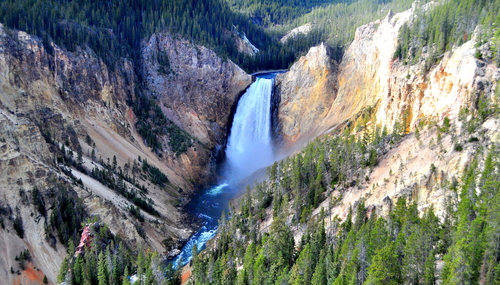
Often referred to as the crown jewel of Yellowstone National Park, the Grand Canyon of the Yellowstone offers a visual feast throughout the year. However, it transforms into something truly extraordinary during the fall season. As the foliage along the canyon’s rims changes colors, it accentuates the vibrant hues of the canyon walls. The juxtaposition of the golden trees against the cascading waterfalls, such as the iconic Lower Falls, creates a striking contrast that is mesmerizing to behold. Hikingalong the canyon’s trails or standing at one of its many viewpoints during fall will leave visitors awe-inspired by the sheer beauty of nature.
4. Geothermal Wonders in Fall:
Yellowstone National Park is home to the world’s largest concentration of geysers and hot springs, and fall offers an exceptional time to explore these geothermal wonders. With cooler temperatures and fewer visitors, you can enjoy the steamy displays of various geysers, such as Old Faithful and Grand Prismatic, in a more intimate setting. The vibrant colors found in the park’s geothermal features, caused by heat-loving thermophilic bacteria, become even more apparent during the fall season. The contrasting hues of orange, yellow, green, and red against the rustic landscapes create unique photo opportunities and add a special touch to the overall ambiance of Yellowstone.
5. Wildlife Viewing Opportunities:
Fall is the perfect season for wildlife enthusiasts, as many species become more active before the winter months. The Elk Rut, a period when male elks compete for dominance to attract mates, occurs in the fall and offers a thrilling spectacle. You can witness these impressive animals engage in fierce battles, showing off their antlers and emitting powerful bugles. Additionally, fall is a prime time for spotting bears as they forage, preparing for hibernation. Observing these magnificent creatures in their natural habitats during this season is an unforgettable experience and a testament to the incredible wildlife diversity of Yellowstone National Park.
Conclusion
Fall in Yellowstone National Park brings a sense of tranquility and enchantment that sets it apart from other seasons. The vibrant fall colors, the majestic Yellowstone Lake, the breathtaking Grand Canyon of the Yellowstone, the geothermal wonders, and the abundant wildlife viewing opportunities create a unique and mesmerizing experience. Whether you are captivated by the stunning landscapes or drawn to the wildlife, exploring Yellowstone National Park in the fall promises memories that will last a lifetime. So, pack your bags, breathe in the crisp autumn air, and venture into this magnificent wilderness to witness the magic unfold before your eyes.
Got Questions? Let Us Help!
Welcome to Yellowstone Tour Guides! Yellowstone Tour Guides is a family-owned tour agency that specializes in tours, sightseeing, and hikes throughout Yellowstone and Big Sky, Montana! Since 2001, we have been dedicated to showing families the beauty of Yellowstone Nation Park. We offer small-group sightseeing tours, multi-day backpacking, and hiking tours. We also provide private vacation planning and tours! Yellowstone Tour Guides is authorized by the National Park Service for the following activities in Yellowstone National Park: road-based trips, photography tours, day hiking, backpacking and skiing tours. We look forward to exploring Yellowstone with you! Call us today!
Yellowstone National Park is a breathtaking destination that attracts millions of visitors each year. With its unique geological features, diverse wildlife, and stunning landscapes, it is a must-see for nature enthusiasts. However, deciding which season to visit can be a daunting task. In this blog post, we will explore the different seasons in Yellowstone and help you determine which one is right for you.
1. Spring: Awakening Nature
Spring in Yellowstone is a time of rebirth and renewal. The park comes alive as plants start to bloom, and animals emerge from their winter slumber. One of the main highlights of spring is the presence of newborn animals, such as bison calves, elk calves, and bear cubs. The landscape is vibrant and colorful, with wildflowers scattered throughout the park. However, it is important to note that spring in Yellowstone can be unpredictable, with fluctuating temperatures and occasional snowstorms. Spring is an ideal season for photographers and wildlife enthusiasts looking to capture the beauty of new life.
2. Summer: Peak Season
Summer is the peak sightseeing season for visitors in Yellowstone. With longer daylight hours and pleasant weather, this is the ideal time for families, outdoor enthusiasts, and those looking to explore the park extensively. All roads and facilities are open, allowing for easy access to popular attractions. Hiking trails are accessible, and wildlife sightings are abundant. However, the downside of visiting in summer is the large crowds. Popular areas can be crowded, and it may be challenging to find solitude in certain parts of the park. It is advisable to plan ahead, make reservations in advance, and be prepared for potential traffic congestion.
3. Fall: A Tapestry of Colors
Fall in Yellowstone is a magical season characterized by vibrant colors and serene landscapes. The foliage transforms into a captivating tapestry of red, orange, and gold, creating a stunning backdrop for outdoor activities. The crowds begin to thin out, making it an excellent time for those seeking a quieter and more tranquil experience. Wildlife remains active, and the opportunity for sightings is still high. Fall is a great season for hiking, photography, and enjoying the majestic beauty of Yellowstone in a more serene setting.
4. Winter: A Winter Wonderland
Yellowstone truly transforms into a winter wonderland during the colder months. Snow blankets the park, creating a serene and picturesque landscape. Winter offers a unique experience for visitors willing to brave the cold. One of the main attractions during winter is the opportunity to witness the park’s geothermal features in a frozen state. Steam rising from the hot springs against a snowy backdrop is a sight to behold. Winter also provides excellent opportunities for cross-country skiing, snowshoeing, and wildlife viewing, including the chance to spot wolves and other elusive animals. However, visiting Yellowstone in winter requires careful planning, as many roads and facilities are closed, and visiting the park during this season requires specialized equipment and knowledge.
Choosing the Right Season for You
Choosing the right season to visit Yellowstone depends on your preferences and interests. If you enjoy capturing the beauty of new life and want to witness the abundance of wildlife, spring might be the ideal season for you. Summer is perfect for families and those looking to explore the park extensively, despite the larger crowds. Fall offers a quieter and more serene experience, with stunning autumn colors. If you love winter landscapes, outdoor winter activities, and the opportunity to see Yellowstone in a unique frozen state, then winter is the season for you.
Conclusion
Yellowstone National Park offers something extraordinary in every season. Whether you prefer the vibrant colors of fall, the snowy landscapes of winter, the awakening of spring, or the peak season activities of summer, each season has its charm and unique experiences to offer. Consider your interests, preferences, and willingness to tolerate crowds or challenging weather conditions when deciding which season to visit. Regardless of the season, Yellowstone will leave you in awe of its natural wonders and unforgettable experiences.
Got Questions? Let Us Help!
Welcome to Yellowstone Tour Guides! Yellowstone Tour Guides is a family-owned tour agency that specializes in tours, sightseeing, and hikes throughout Yellowstone and Big Sky, Montana! Since 2001, we have been dedicated to showing families the beauty of Yellowstone Nation Park. We offer small-group sightseeing tours, multi-day backpacking, and hiking tours. We also provide private vacation planning and tours! Yellowstone Tour Guides is authorized by the National Park Service for the following activities in Yellowstone National Park: road-based trips, photography tours, day hiking, backpacking and skiing tours. We look forward to exploring Yellowstone with you! Call us today!